22 Japandi Dining Room Ideas You’ll Want to Copy
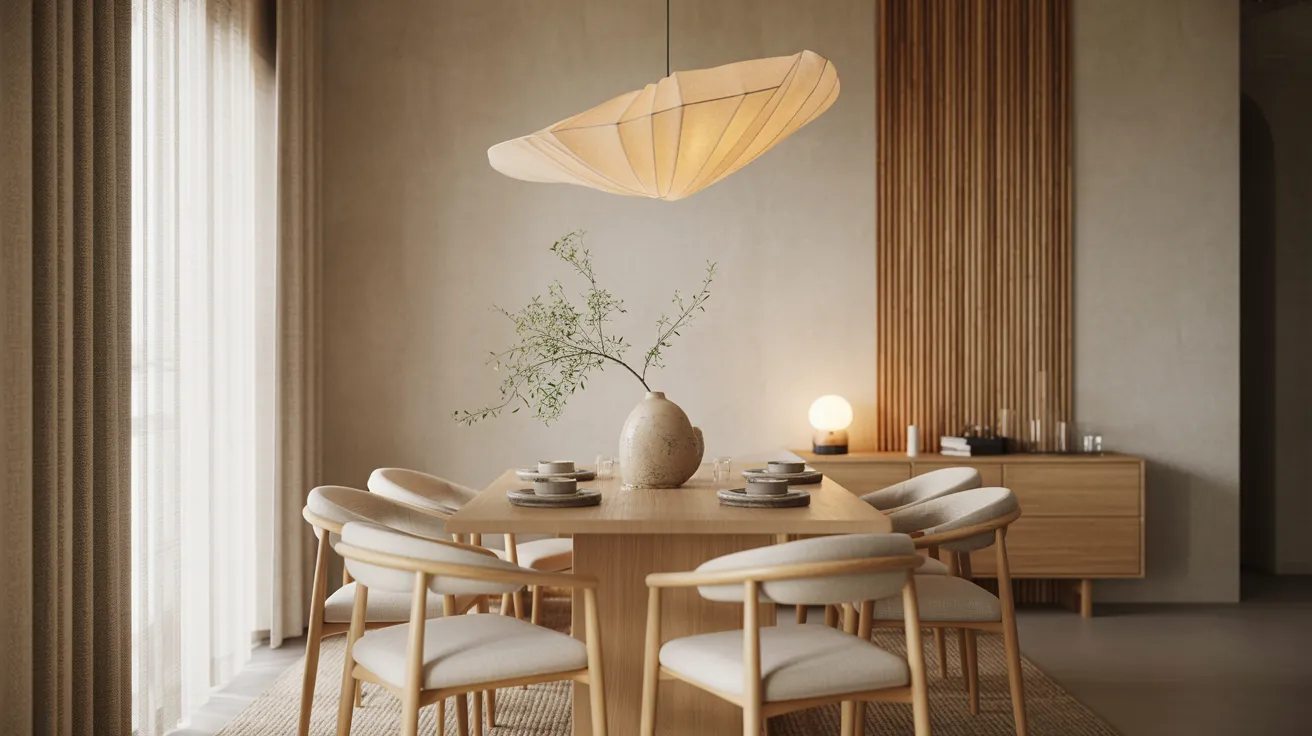
A beautiful dining space can change the way your home feels every single day. Imagine a room that feels calm, warm, and effortlessly organized. A Japandi Dining Room combines natural materials, simple forms, and peaceful styling to create a space that feels both practical and inviting.
This guide shares inspiring ideas to help you transform an ordinary dining area into a relaxing retreat filled with texture, balance, and thoughtful details. Whether you have a small apartment or a larger home, these design choices can help you create a space that looks beautiful while still supporting everyday life. I’ve noticed that the most loved rooms often focus on comfort, simplicity, and pieces that truly serve a purpose.
Natural Oak Table
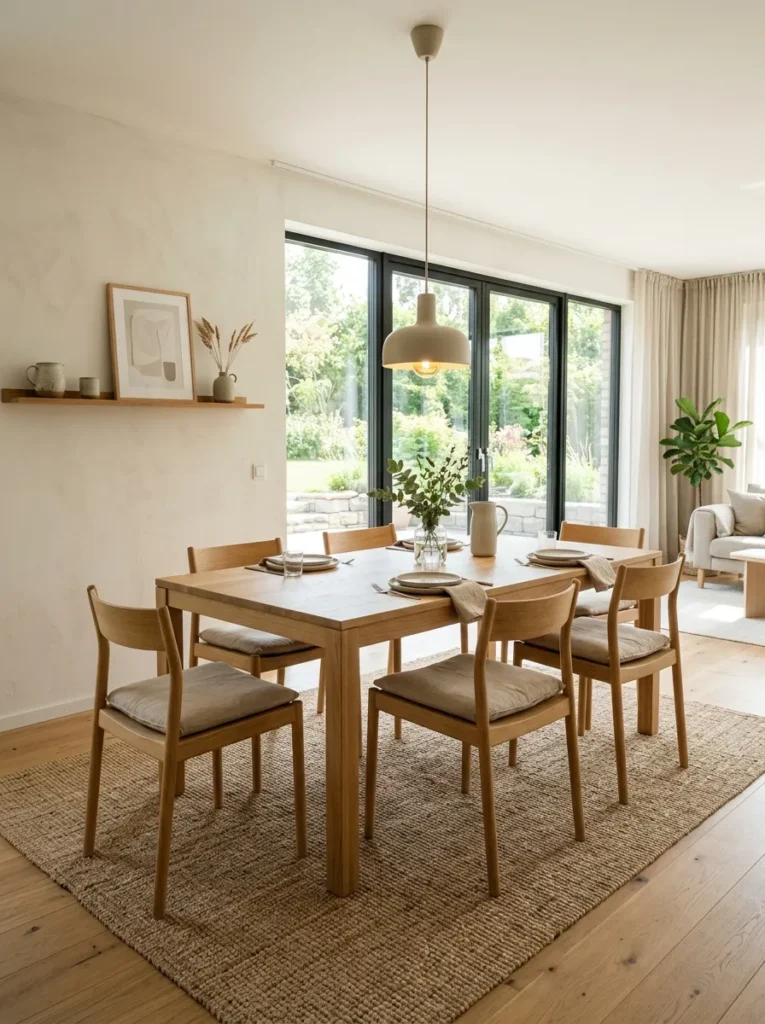
- Creates a warm focal point without making the room feel heavy.
- Brings natural wood texture into an otherwise simple space.
- Pairs beautifully with neutral colors and handcrafted décor.
- Makes everyday meals feel more relaxed and welcoming.
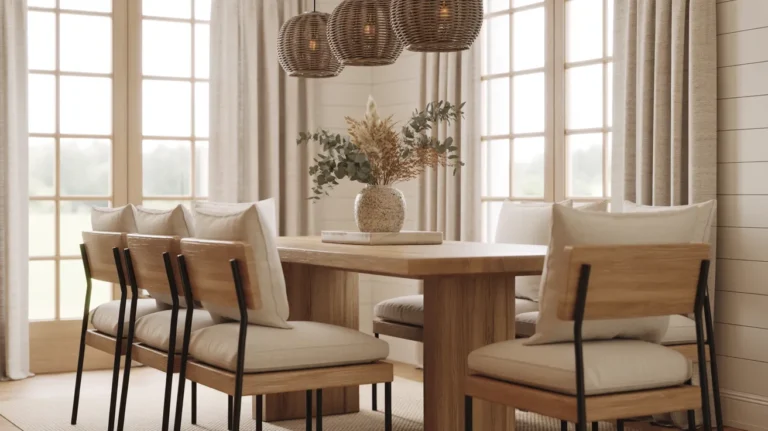
A single furniture choice can completely reshape the feeling of your dining space. A natural oak table instantly introduces warmth while keeping the overall look clean and uncluttered. The soft grain adds quiet character without competing with surrounding décor, making it easier to mix ceramics, linen, and subtle accessories. In my experience, lighter wood finishes reflect daylight beautifully, helping even compact rooms feel brighter and more inviting. This approach also gives you flexibility to refresh seasonal decorations without disrupting the calm, balanced atmosphere that makes the space so comfortable.
The beauty of this setup comes from its effortless versatility and timeless appeal. Whether your home leans modern or traditional, natural wood blends comfortably with both styles while maintaining a peaceful aesthetic. A Japandi Dining Room benefits from this balance because every element feels intentional rather than decorative. Pairing the table with understated chairs and simple centerpieces allows the natural material to become the visual highlight. Over time, the wood develops gentle character, creating a lived-in look that feels authentic instead of overly polished or carefully staged.
Linen Dining Chairs
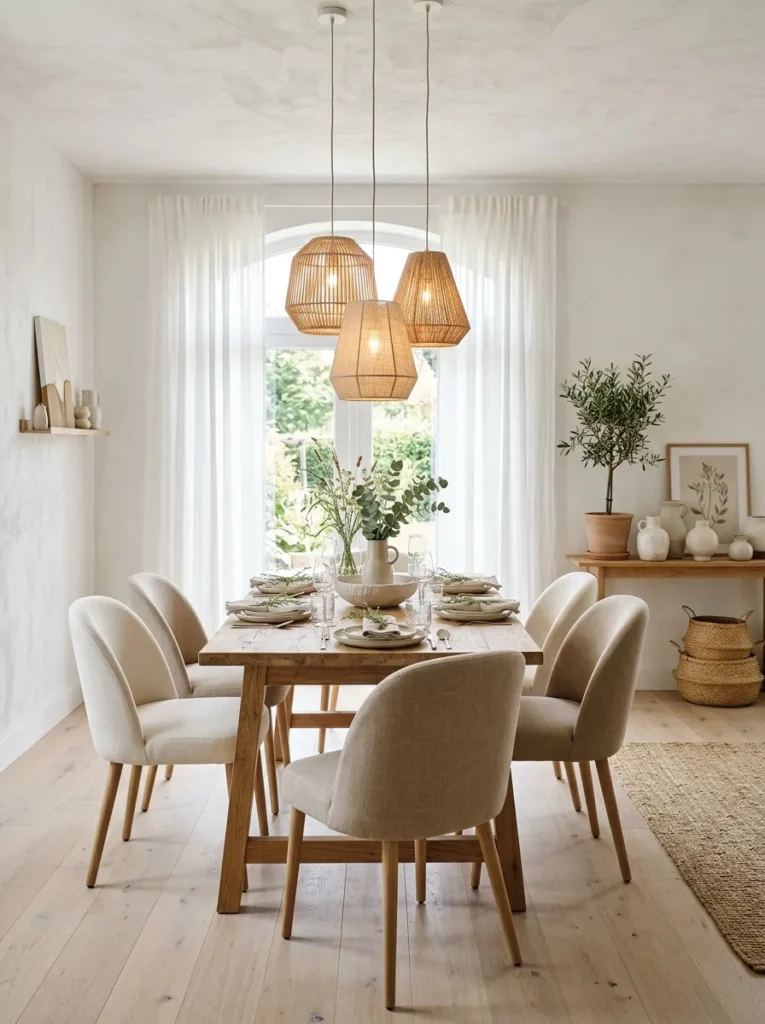
- Soft upholstery makes longer meals more comfortable.
- Neutral fabrics keep the room feeling light and open.
- Linen adds gentle texture without visual clutter.
- Easy to combine with wood, stone, and ceramic accents.
Comfort often makes the biggest difference in a dining room that people genuinely enjoy using. Linen chairs soften the entire setting while preserving a minimalist appearance that never feels overwhelming. Their textured fabric introduces warmth that balances smooth wooden surfaces and clean architectural lines. I’ve noticed guests naturally linger longer around tables with comfortable seating, making everyday dinners and weekend gatherings feel more inviting. Choosing neutral upholstery also makes future decorating easier because it complements changing accessories without requiring a complete room makeover every season.
Simple seating choices quietly elevate the entire dining experience while supporting a cohesive interior design. Light-colored linen works especially well alongside natural timber and handcrafted accessories because each material contributes subtle texture instead of competing for attention. That combination creates visual depth while maintaining the peaceful atmosphere many homeowners seek. Selecting removable or washable covers also adds practical value for busy households. The finished space feels thoughtfully designed, offering comfort, durability, and understated elegance that remains appealing long after decorating trends begin to change.
Stoneware Table Setting
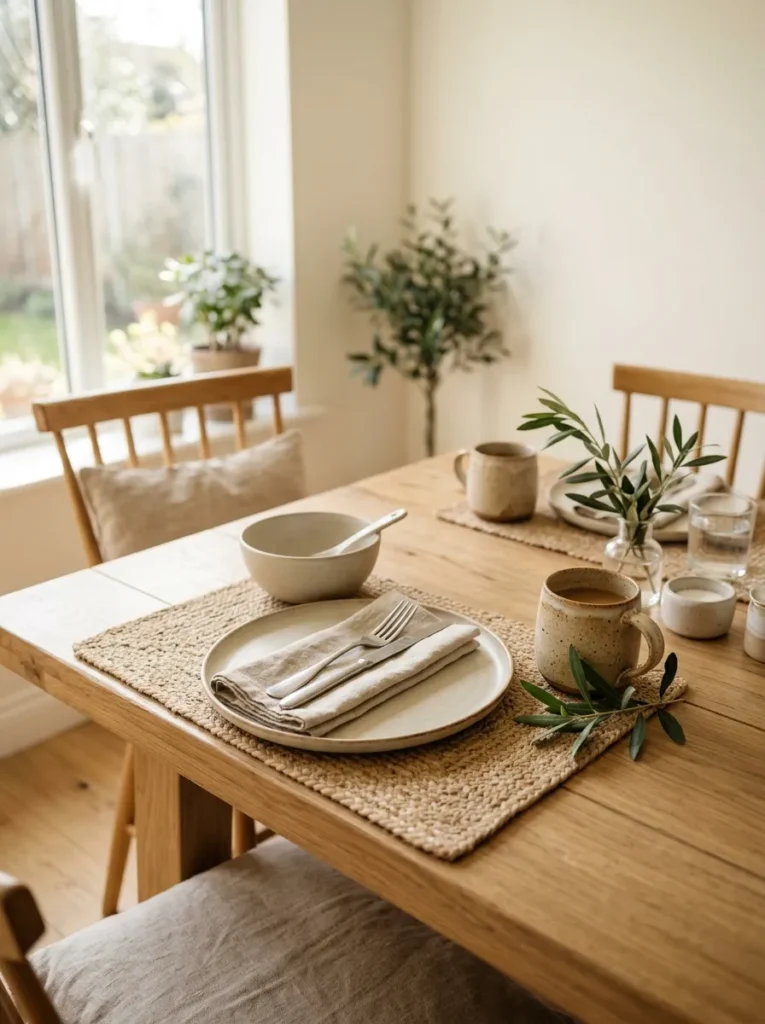
- Adds handcrafted character to everyday meals.
- Creates visual texture using simple functional pieces.
- Looks beautiful without relying on bold colors.
- Easy to style with seasonal greenery or linen accents.
Sometimes the smallest details create the strongest visual impression. Stoneware dishes introduce subtle texture, soft matte finishes, and handcrafted charm that instantly make everyday dining feel more intentional. Unlike glossy dinnerware, these pieces bring warmth without demanding attention, allowing the table to feel elegant yet approachable. That’s why many designers recommend mixing slightly different shapes and finishes instead of perfectly matched sets. The result feels collected over time, giving your dining area personality while maintaining a clean, uncluttered appearance that photographs beautifully for Pinterest inspiration.
Thoughtfully arranged tableware encourages people to slow down and appreciate everyday moments around the table. Soft ceramic tones blend naturally with wood, linen, and delicate greenery, creating layers that feel calm rather than busy. Instead of relying on expensive centerpieces, simple bowls, mugs, and plates become part of the décor itself. This practical styling method works beautifully in homes of every size because it combines beauty with daily function. Even when the table is not in use, the carefully arranged pieces continue enhancing the room with effortless understated elegance.
Warm Wood Slats
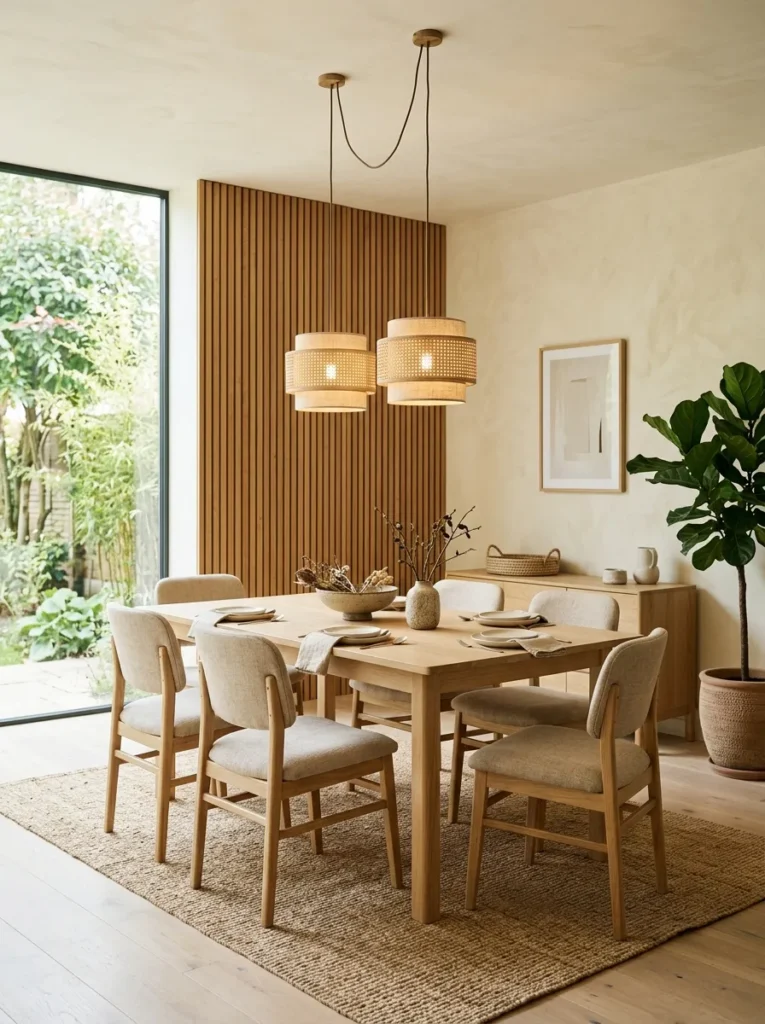
- Adds depth without making the room feel busy.
- Creates a natural focal wall using simple materials.
- Brings warmth to plain or empty dining spaces.
- Works beautifully with neutral furniture and soft lighting.
One thoughtful wall treatment can completely change the atmosphere of a dining area. Vertical wood slats introduce texture, rhythm, and warmth while keeping the design clean and uncluttered. Instead of relying on colorful artwork, the natural grain becomes the feature itself, creating quiet visual interest from every angle. I’ve seen this work well in many homes because it gives even builder-grade walls a custom appearance without overwhelming the room. The result feels refined, inviting, and perfectly suited for everyday family meals as well as casual entertaining.
Wood slats also help balance modern furniture by introducing an organic element that softens straight lines. Their vertical pattern naturally draws the eye upward, making average-height ceilings appear taller and the entire room feel more spacious. Combined with soft neutral décor and natural materials, this feature blends beautifully into a Japandi Dining Room while maintaining simplicity. Choosing light oak or ash finishes preserves the bright, airy feeling that defines this style and allows other decorative pieces to remain subtle instead of competing for attention.
Paper Pendant Light
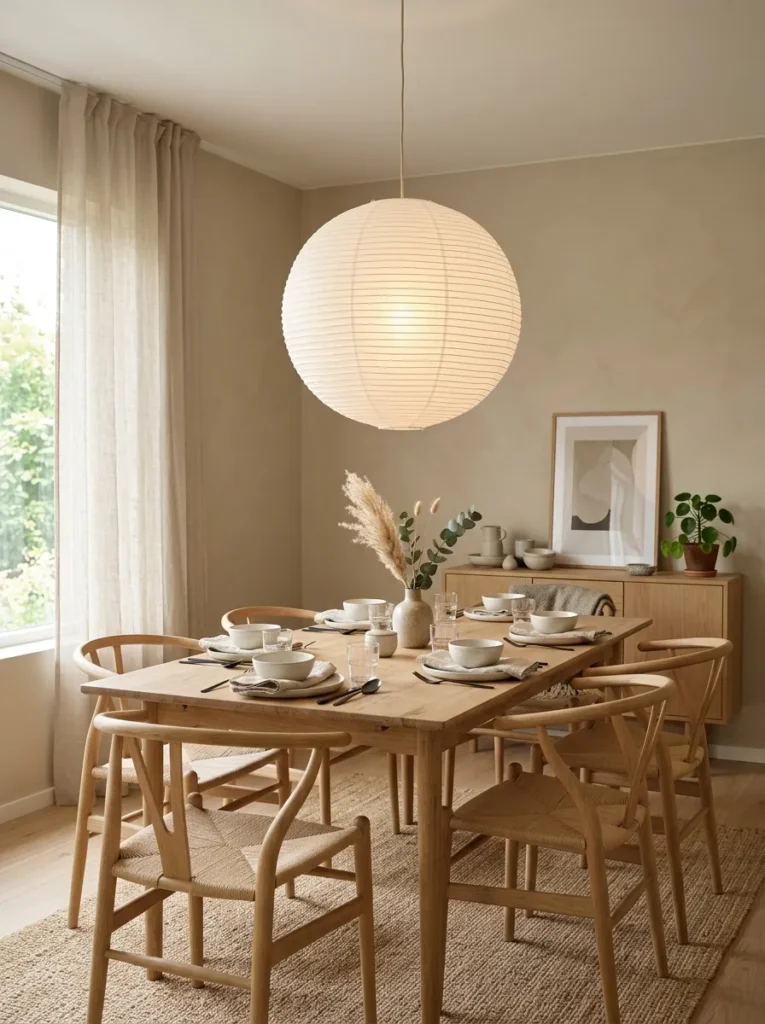
- Softens the room with gentle, diffused lighting.
- Creates a striking focal point without visual heaviness.
- Enhances both daytime brightness and evening comfort.
- Fits small and large dining spaces with ease.
Lighting shapes the mood long before anyone notices the furniture. A paper pendant introduces a soft glow that instantly makes meals feel more relaxed and welcoming. Its lightweight appearance keeps the ceiling visually open while adding sculptural interest above the table. Unlike heavy metal fixtures, this design feels airy and calming, making it an ideal choice for minimalist interiors. Even during the day, the textured shade contributes subtle character without overwhelming the surrounding décor or interrupting the clean, balanced aesthetic.
The gentle curves of a paper pendant contrast beautifully with the straight lines of wooden furniture, creating harmony through simple shapes. That’s why many designers recommend placing one directly above the center of the table to anchor the entire layout. Warm evening lighting enhances wood tones, ceramics, and linen textures, making every meal feel more intimate. Choosing a larger fixture than expected often produces the best visual impact because it fills the vertical space gracefully while maintaining the understated elegance that defines this decorating style.
Neutral Linen Runner
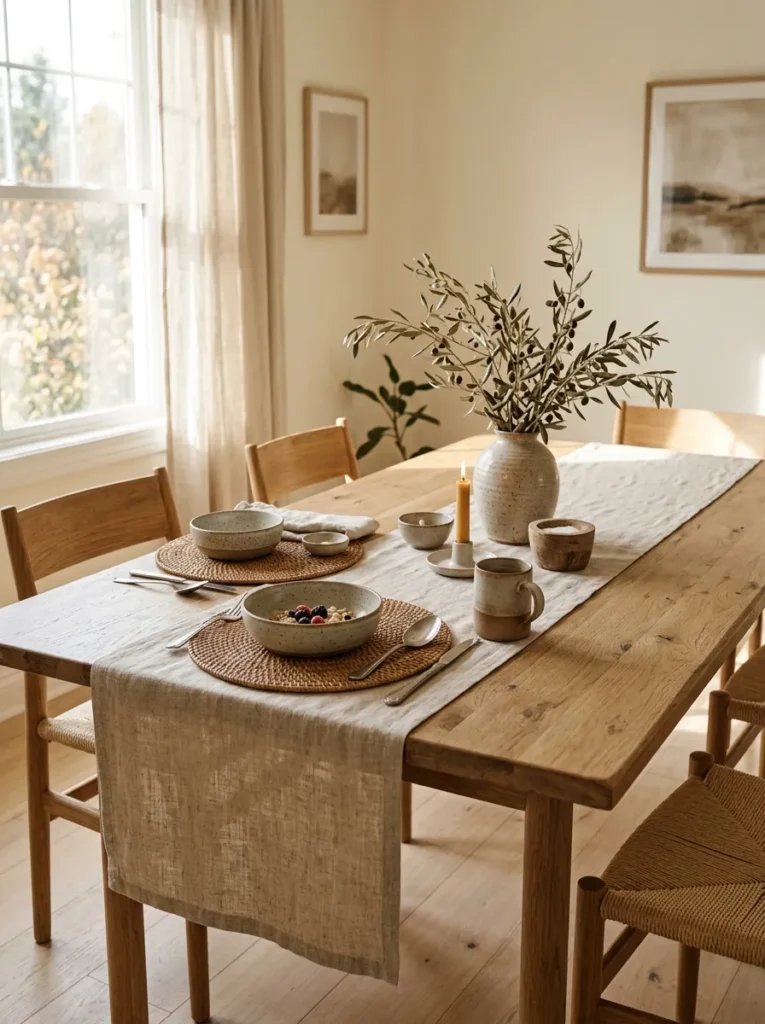
- Adds softness without covering the beauty of the table.
- Defines the centerpiece in a simple, elegant way.
- Introduces natural texture with very little effort.
- Makes everyday table styling feel intentional and polished.
Sometimes the easiest styling upgrade creates the biggest visual improvement. A neutral linen runner adds texture and softness while allowing the natural wood beneath it to remain the main attraction. Instead of filling the table with decorative objects, the fabric quietly frames a few carefully chosen accessories. In my experience, this approach makes everyday dining feel polished without increasing clutter. The relaxed folds and woven texture create an effortless look that photographs beautifully and remains practical enough for daily family use throughout every season.
This simple layer also makes seasonal decorating much easier because almost every centerpiece works against a neutral background. Fresh greenery, handcrafted ceramics, candles, or small branches instantly feel more curated without requiring expensive accessories. The understated palette supports the calm atmosphere that minimalist interiors are known for while keeping maintenance refreshingly simple. A quality linen runner becomes even softer over time, giving the table a welcoming lived-in character that feels authentic rather than perfectly staged or overly formal.
Floating Wood Shelves
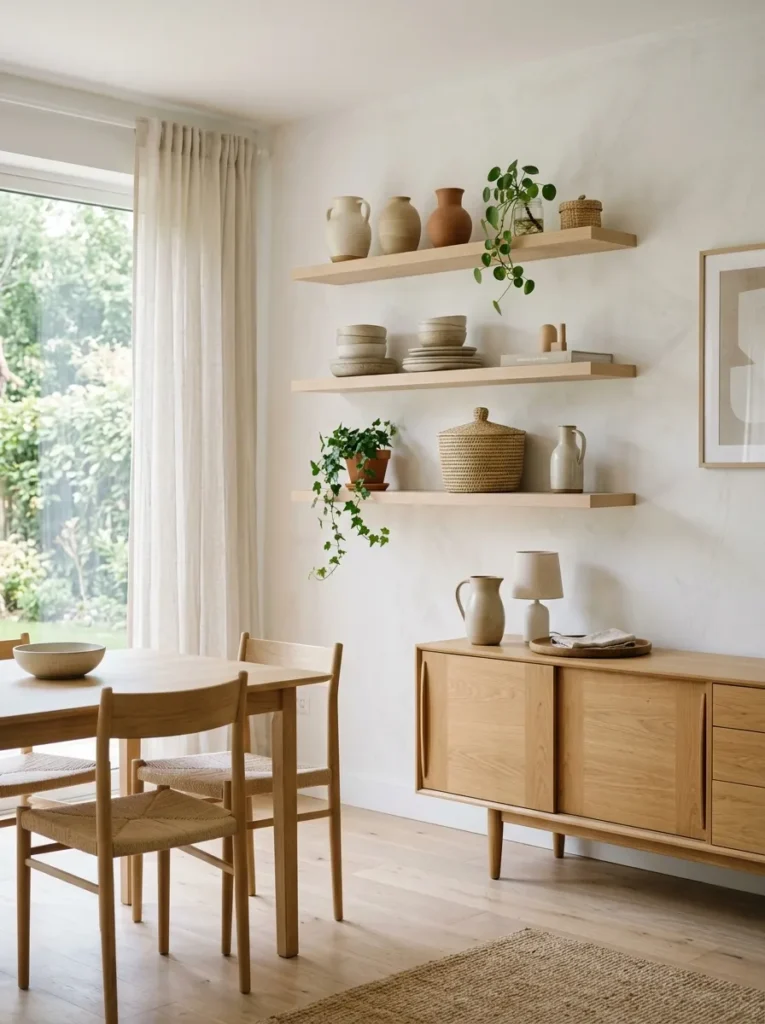
- Displays everyday pieces without creating visual clutter.
- Adds storage while keeping the room feeling open.
- Makes decorative styling easy to refresh throughout the year.
- Balances empty walls with natural texture and warmth.
Blank dining room walls often make a space feel unfinished, even when the furniture is beautiful. Floating wooden shelves solve that problem by adding display space without making the room feel crowded. Their clean profile keeps attention on handcrafted ceramics, woven baskets, and a few carefully chosen decorative pieces instead of bulky cabinets. I’ve noticed that limiting each shelf to only a handful of items creates a calmer appearance and makes every object feel more intentional. The result is practical storage that also becomes part of the room’s overall design.
Because the shelves seem to disappear into the wall, they preserve the airy feeling that defines minimalist interiors. Light oak finishes pair naturally with stoneware, glass, and soft greenery, creating subtle layers of texture without overwhelming the room. In a Japandi Dining Room, this balance between beauty and function feels especially important because every displayed item should serve a purpose or bring quiet visual interest. Refreshing seasonal décor becomes effortless, allowing the space to evolve naturally while maintaining its timeless and uncluttered character.
Textured Plaster Walls
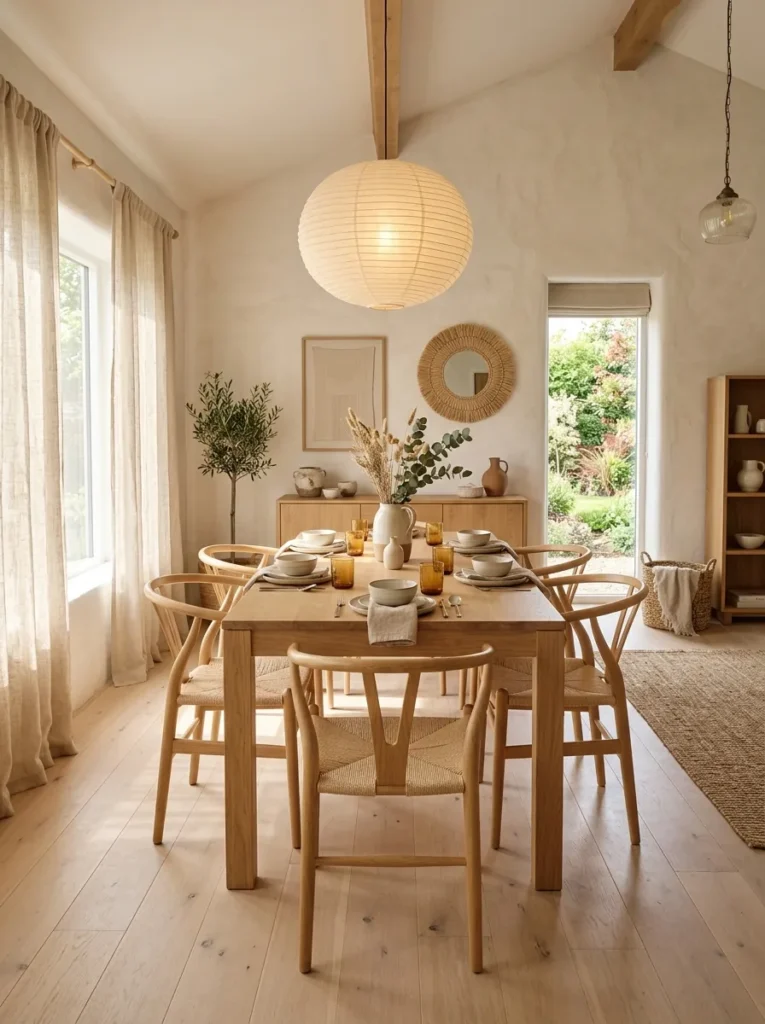
- Gives plain walls a soft handcrafted appearance.
- Adds depth without relying on bold colors or artwork.
- Reflects natural light beautifully throughout the room.
- Creates a warm, calming backdrop for simple furniture.
Wall texture quietly changes the personality of an entire room. Soft plaster finishes introduce subtle movement and depth that painted drywall simply cannot achieve. As daylight shifts throughout the day, gentle shadows appear across the surface, adding warmth without distracting from the furniture. That’s why many designers recommend textured finishes instead of busy wallpaper when creating calm interiors. The effect feels organic, timeless, and welcoming, helping even newly renovated spaces avoid the overly perfect appearance that sometimes makes minimalist rooms feel cold.
The beauty of plaster lies in its quiet simplicity. Rather than demanding attention, it supports every surrounding material, allowing natural wood, linen fabrics, and handcrafted accessories to stand out more clearly. This layered combination creates an inviting atmosphere that feels comfortable in everyday life instead of looking like a showroom. Soft neutral walls also make future decorating easier because almost every color palette blends effortlessly with them. The finished room feels brighter, warmer, and more connected to nature without requiring excessive decoration.
Indoor Olive Tree
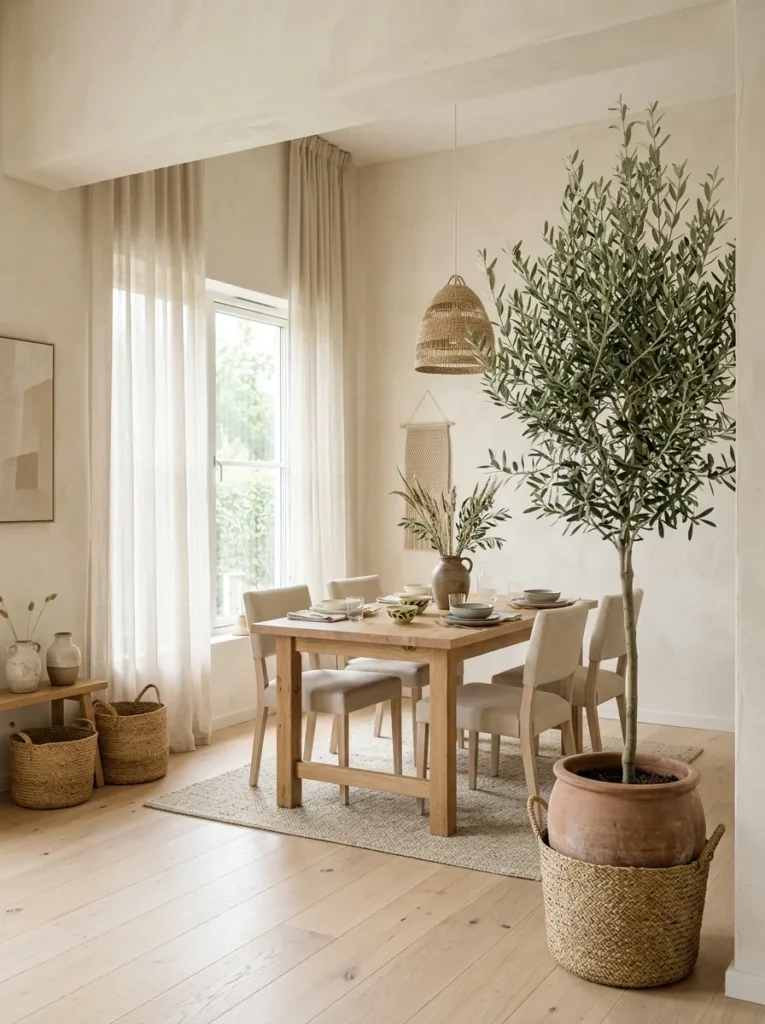
- Introduces natural greenery without overwhelming the space.
- Softens clean lines with gentle organic shapes.
- Brings height and visual balance to empty corners.
- Creates a fresh, relaxed atmosphere all year long.
A single indoor tree can completely transform the energy of a dining room. An olive tree introduces graceful branches and muted green leaves that naturally soften minimalist interiors without creating visual clutter. Unlike large floral arrangements, its understated appearance complements neutral palettes while adding life to quiet corners. I’ve seen this work well in many homes because the tree becomes an elegant focal point without competing with furniture or lighting. Even when decorated simply, the room immediately feels fresher, calmer, and more connected to nature.
Placing the tree near a bright window helps maximize both its health and its decorative impact. The gentle height balances low dining furniture while drawing the eye upward, making the entire room feel larger and more dynamic. Pairing it with woven baskets or simple ceramic planters reinforces the organic materials already present throughout the design. This effortless addition proves that thoughtful greenery often creates more visual warmth than adding several decorative accessories, keeping the overall aesthetic clean, peaceful, and timeless.
Woven Area Rug
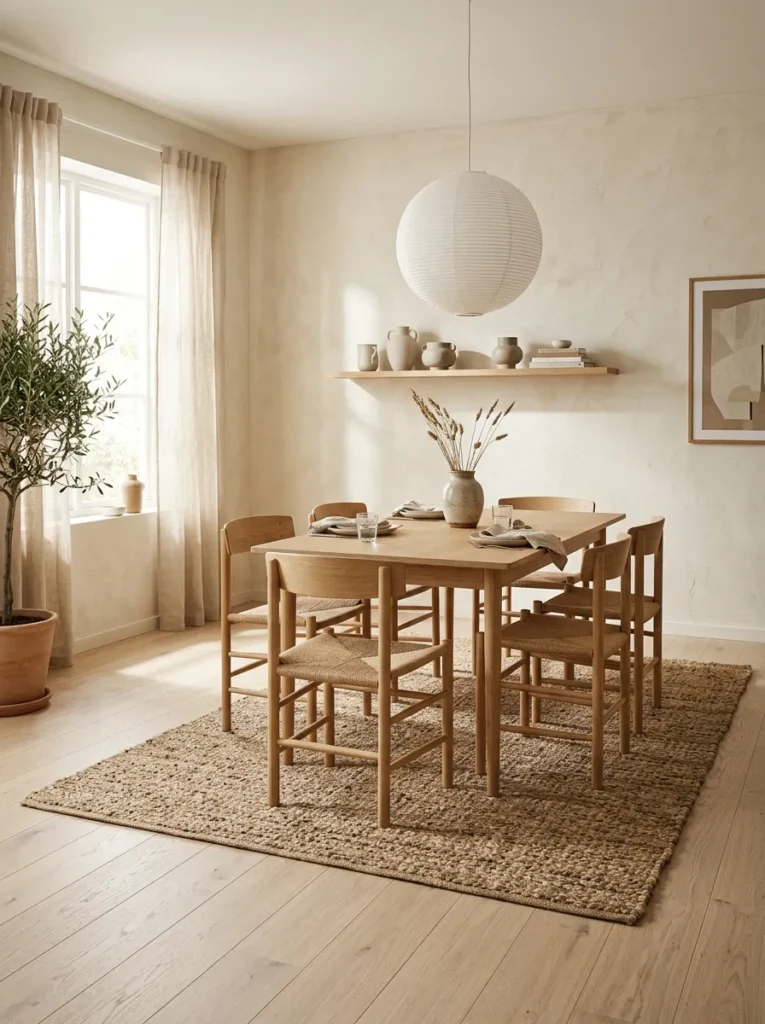
- Defines the dining area without adding visual heaviness.
- Softens hard flooring for a warmer, cozier feel.
- Introduces natural texture through simple materials.
- Helps furniture feel grounded and more balanced.
The easiest way to make a dining area feel complete is by adding a beautifully textured rug beneath the table. A woven jute or wool design introduces warmth while clearly defining the dining zone within an open floor plan. Instead of relying on bold patterns, the subtle texture adds quiet interest that complements wood furniture and neutral décor. In my experience, choosing a generously sized rug also improves comfort by allowing chairs to slide smoothly without catching on the edges during everyday meals.
Natural fibers blend effortlessly with minimalist interiors because they contribute texture without overwhelming the room. Soft beige and sand-colored rugs brighten the floor while balancing wood finishes, ceramics, and linen fabrics throughout the space. They also absorb a little sound, making family dinners feel calmer and more comfortable. Choosing a durable flat-weave option keeps maintenance simple while preserving the clean appearance many homeowners appreciate. The finished dining space feels layered, inviting, and thoughtfully designed without relying on unnecessary decorative pieces.
Black Accent Details
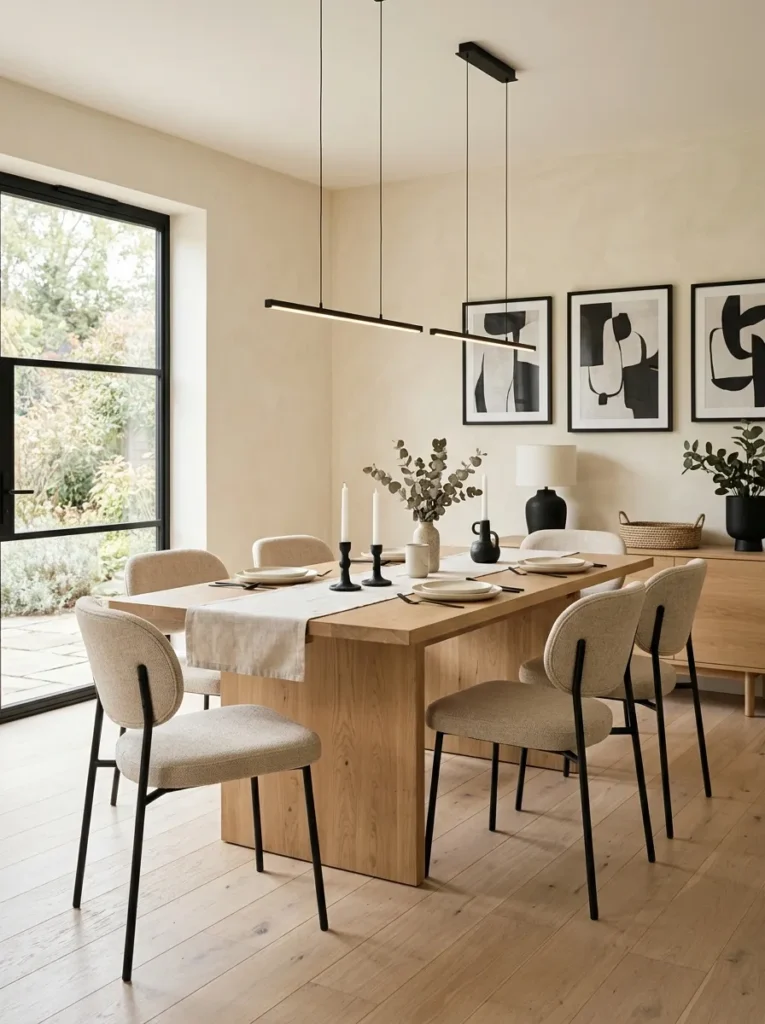
- Adds contrast without overpowering neutral colors.
- Defines shapes and architectural lines beautifully.
- Makes wood tones appear warmer and richer.
- Keeps the overall design modern yet timeless.
A touch of black can completely sharpen an otherwise soft neutral interior. Slim lighting fixtures, simple candle holders, or narrow chair frames introduce gentle contrast that makes surrounding wood tones feel warmer and more defined. Instead of dominating the room, these darker accents quietly guide the eye through the space and create visual balance. I’ve noticed that limiting black elements to only a few carefully chosen pieces produces a more sophisticated result than scattering them throughout the room without intention.
The secret is maintaining restraint. Small black details create rhythm while preserving the calm atmosphere that minimalist dining spaces are known for. Combined with warm oak, soft linen, and handcrafted ceramics, the contrast feels elegant rather than dramatic. That’s why many designers recommend repeating the accent color just a few times across the room instead of making it the primary feature. This thoughtful approach gives the dining area greater depth while keeping the overall aesthetic peaceful, welcoming, and effortlessly timeless.
Handmade Ceramic Decor
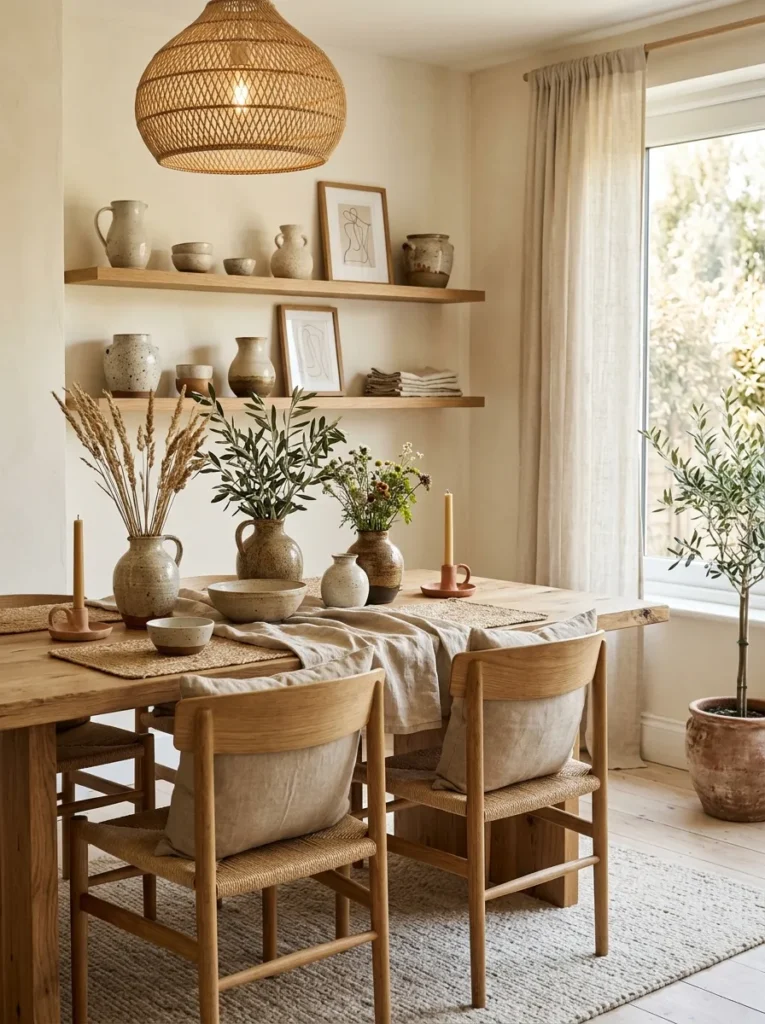
- Brings personality through subtle handcrafted details.
- Adds texture without creating unnecessary clutter.
- Complements wood, linen, and natural stone beautifully.
- Makes everyday styling feel warm and authentic.
The smallest decorative objects often leave the strongest impression. Handmade ceramics introduce unique textures, gentle imperfections, and natural character that factory-made accessories rarely provide. Every piece feels slightly different, giving the dining area a collected and personal appearance instead of a perfectly matched showroom look. I’ve found that displaying only a few meaningful items creates far more impact than filling every surface with decorations. Their soft matte finishes also reflect light beautifully, helping the room feel warm, balanced, and comfortably lived in.
Ceramic vases, bowls, and candle holders blend naturally with neutral palettes because their earthy tones never compete with surrounding furniture. They work especially well alongside linen fabrics, woven baskets, and light timber, creating subtle layers that reward closer attention. Mixing different heights and rounded shapes adds visual rhythm while maintaining simplicity. Over time, collecting handcrafted pieces from local makers or travels gives the dining room a story that feels genuine, making the entire space more memorable without sacrificing its clean minimalist aesthetic.
Built-In Bench Seating
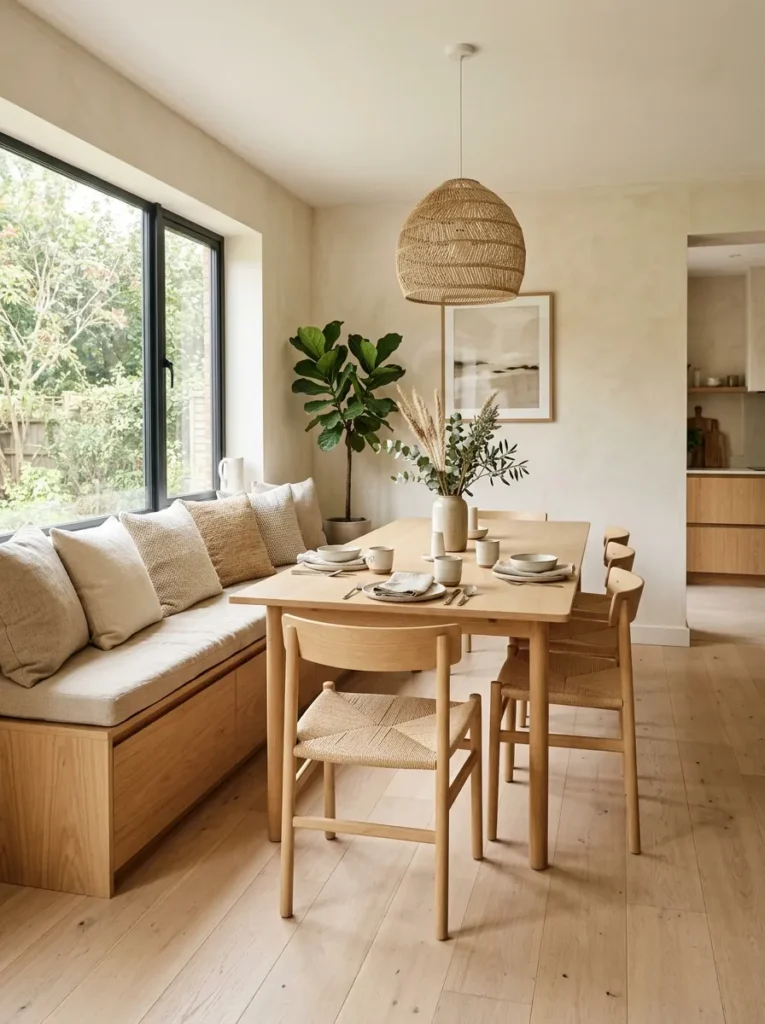
- Maximizes seating without making the room feel crowded.
- Creates a cozy dining nook for everyday meals.
- Adds hidden storage when designed with lift-up seats.
- Brings a custom, built-in appearance to the space.
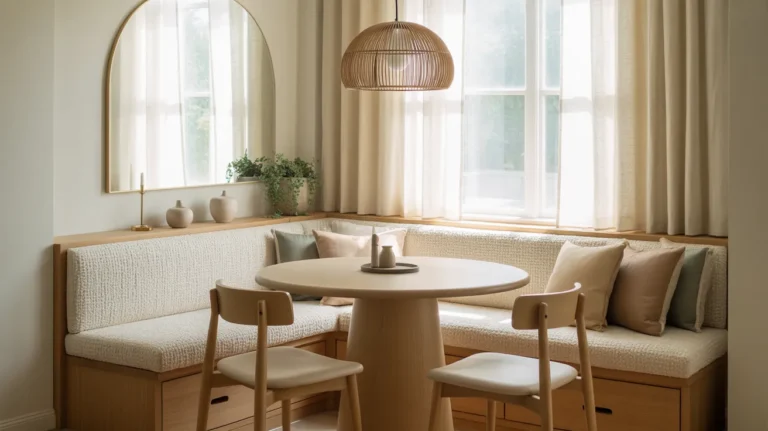
A built-in bench instantly makes a dining area feel more welcoming while using space efficiently. Instead of surrounding the table with matching chairs, one side becomes a comfortable seating nook that encourages longer conversations and relaxed family meals. Soft linen cushions introduce warmth without adding unnecessary bulk, keeping the room open and airy. I’ve seen this work especially well in smaller homes because benches accommodate more people while maintaining generous walking space around the table and creating a cozy, custom-designed appearance.
Beyond comfort, built-in seating offers practical advantages that homeowners appreciate every day. Hidden storage beneath the bench provides an easy place for table linens, seasonal décor, or extra dinnerware, helping reduce visible clutter. Pairing the bench with simple wooden chairs on the opposite side creates visual balance while preventing the room from looking overly symmetrical. This thoughtful combination delivers a relaxed atmosphere that feels functional, timeless, and perfectly suited to everyday living without sacrificing the clean minimalist aesthetic.
Soft Linen Curtains
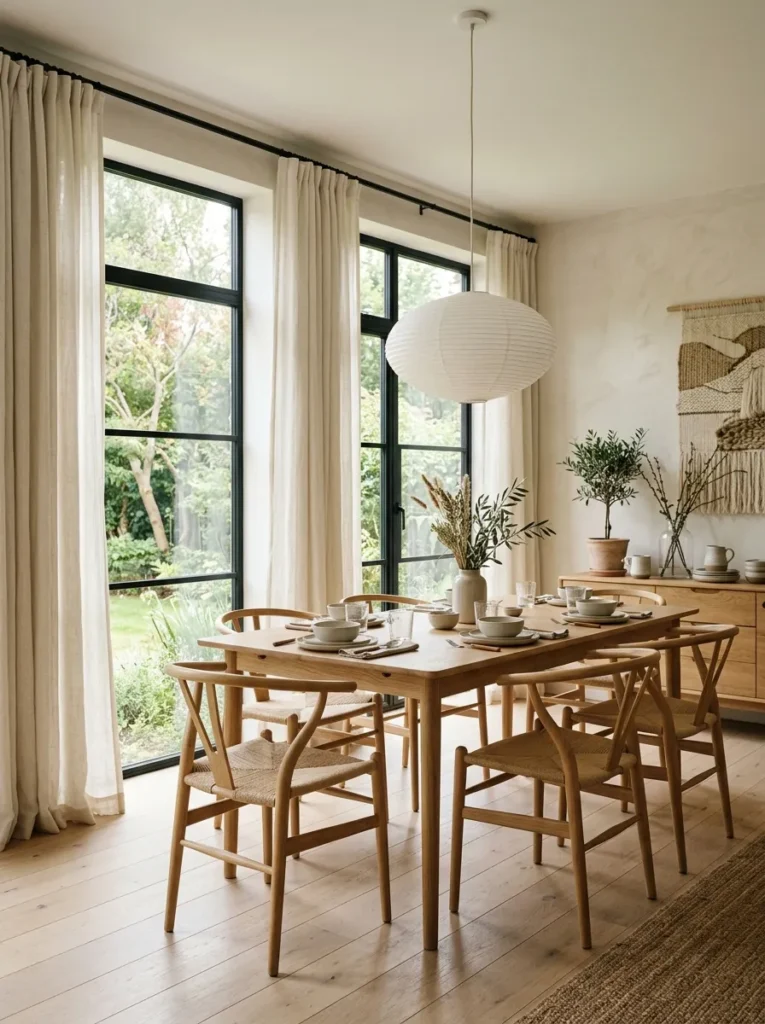
- Filters harsh sunlight into a warm, gentle glow.
- Softens windows without feeling heavy or formal.
- Enhances the relaxed atmosphere of the room.
- Adds natural texture while maintaining simplicity.
Natural light feels even more inviting when softened by flowing linen curtains. Their lightweight fabric gently diffuses sunlight, creating a calm atmosphere that changes beautifully throughout the day. Unlike heavier drapes, linen preserves brightness while still providing privacy, allowing the dining space to feel open and comfortable. That’s why many designers recommend hanging curtains close to the ceiling and extending them to the floor, helping windows appear taller and making the room feel noticeably larger without requiring structural changes.
The relaxed texture of linen pairs effortlessly with wood, ceramics, and woven accents, reinforcing the organic materials found throughout minimalist interiors. Slight wrinkles become part of the fabric’s charm rather than a flaw, giving the room a lived-in elegance that never feels overly formal. Choosing soft white, ivory, or warm beige tones keeps the entire palette cohesive and timeless. The finished space feels brighter during the day, warmer in the evening, and consistently welcoming throughout every season.
Minimal Centerpiece Styling
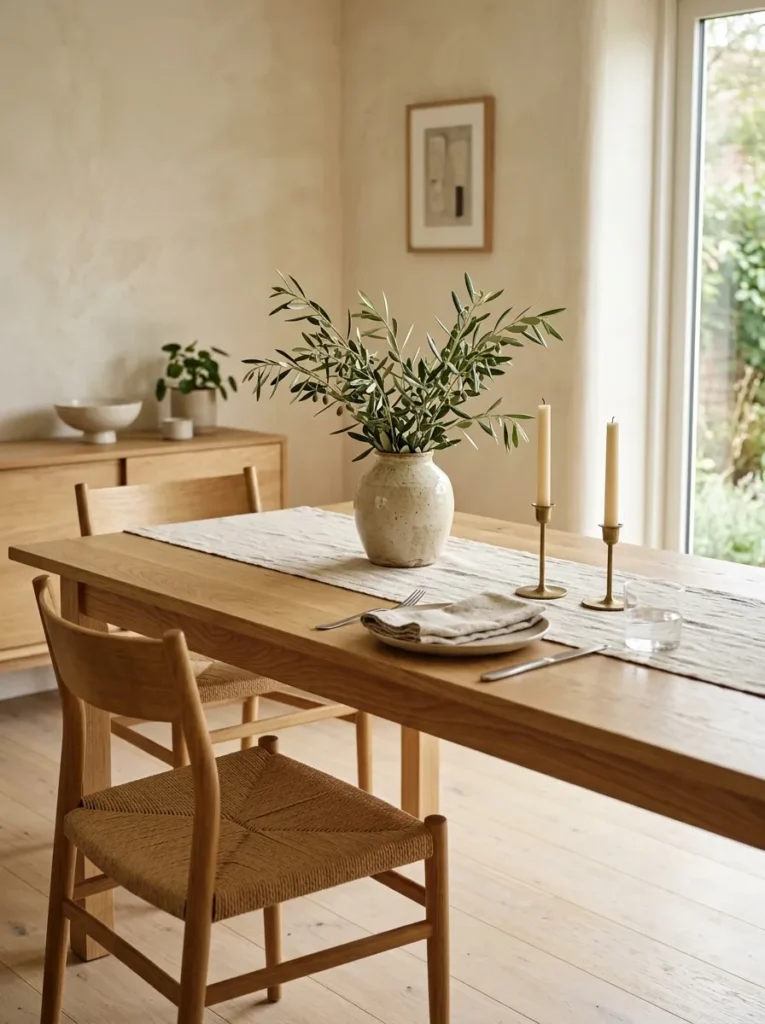
- Keeps the table elegant without creating clutter.
- Allows the beauty of natural materials to stand out.
- Makes daily cleaning and entertaining much easier.
- Creates a polished look with only a few carefully chosen pieces.
Less often creates a stronger impression than more, especially when styling a dining table. A single ceramic vase, a few olive branches, or a pair of simple candle holders can provide all the visual interest the room needs. Instead of covering every surface with decorations, this approach highlights quality over quantity. In my experience, leaving generous empty space around a centerpiece makes the table feel calmer, more refined, and easier to use for everyday meals without constantly moving decorative objects aside.
A restrained arrangement also keeps attention on the beautiful textures already present throughout the room. Natural wood, linen, and handcrafted ceramics become the true decorative elements rather than competing with oversized centerpieces. This thoughtful balance works beautifully in a Japandi Dining Room, where every object should feel purposeful and harmonious. Refreshing the display with seasonal greenery or simple branches takes only minutes, allowing the table to remain fresh, elegant, and functional without requiring frequent redecorating or expensive accessories.
Light Wood Sideboard
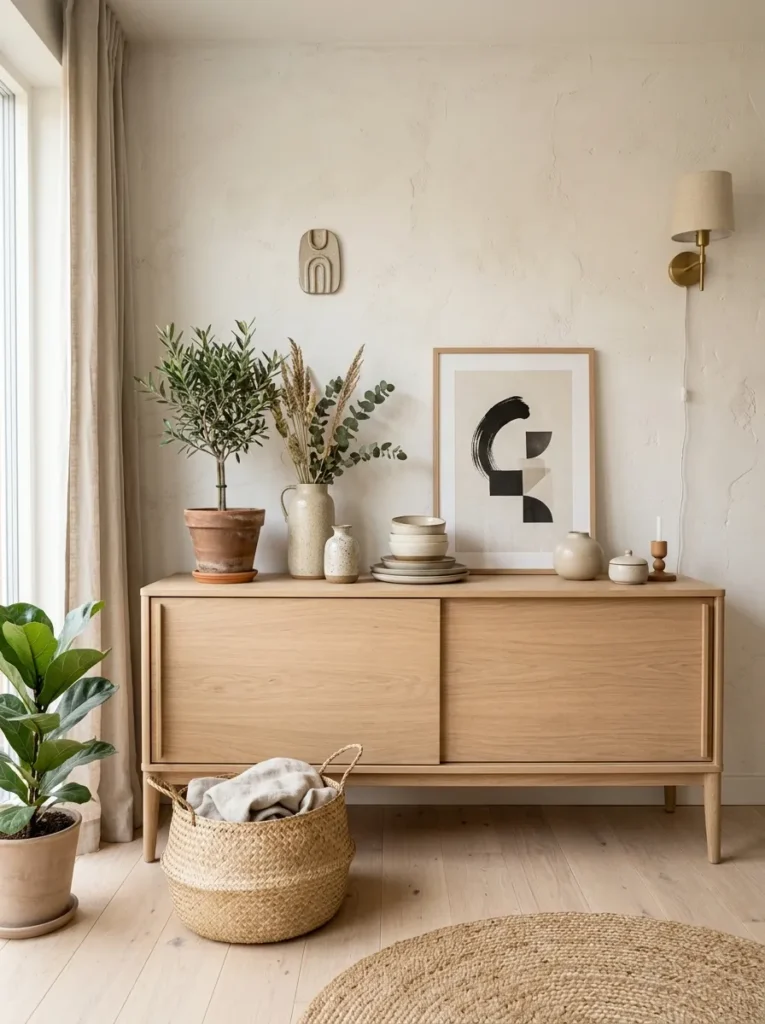
- Provides extra storage without making the room feel bulky.
- Keeps dining essentials neatly organized and accessible.
- Creates a balanced display area for simple décor.
- Extends the natural wood palette across the room.
Every dining room benefits from one hardworking piece that combines beauty with function. A light wood sideboard keeps serving dishes, linens, and everyday essentials neatly hidden while providing a clean surface for carefully chosen décor. The simple silhouette prevents the room from feeling crowded, making it an ideal solution for both compact and spacious layouts. I’ve noticed that keeping the top mostly uncluttered creates a calmer visual flow and allows each decorative object to stand out naturally instead of competing for attention.
Choosing a sideboard with subtle grain and minimal hardware reinforces the understated elegance found throughout the room. Handmade ceramics, a small lamp, or a vase with seasonal greenery add personality without overwhelming the clean design. Closed storage also reduces visual noise by keeping less attractive household items out of sight. This thoughtful combination of practicality and simplicity helps the dining area feel organized, welcoming, and effortlessly refined while supporting the relaxed lifestyle that minimalist interiors encourage.
Layered Neutral Textures
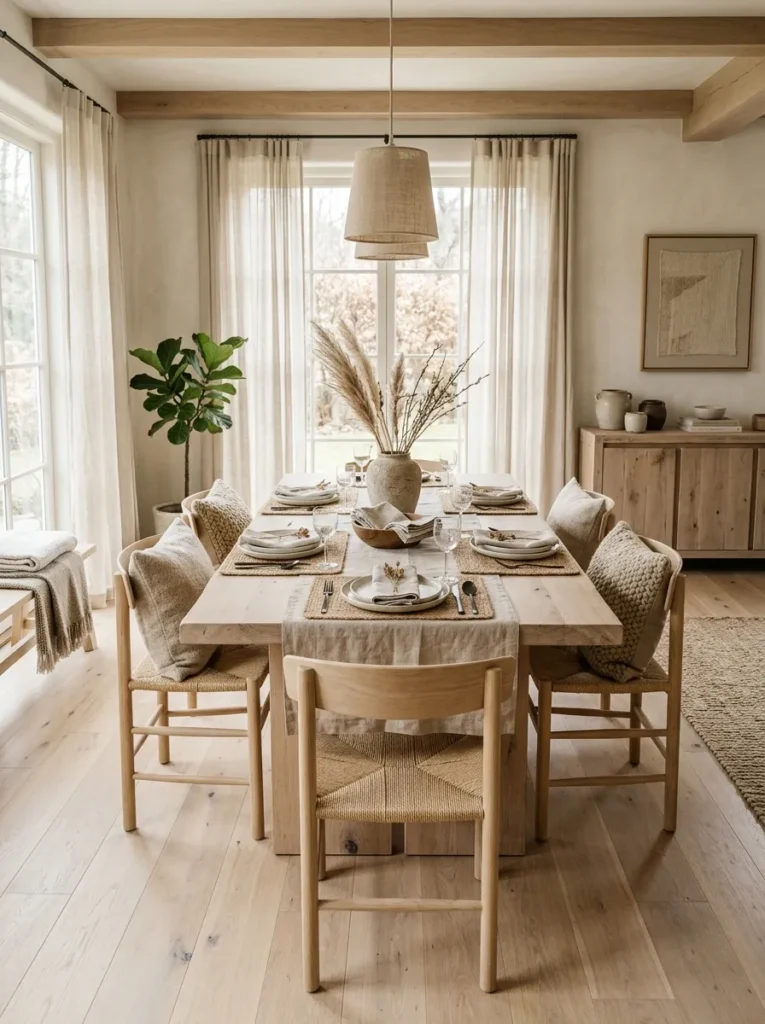
- Prevents neutral spaces from feeling flat or boring.
- Adds warmth through natural materials instead of color.
- Creates depth while maintaining a peaceful aesthetic.
- Makes the room feel more inviting and comfortable.
A neutral palette becomes far more interesting when different textures work together. Instead of introducing bold colors, combine linen, wool, wood, stone, and woven fibers to create subtle layers that naturally catch the eye. Each material contributes its own character while maintaining a calm overall appearance. That’s why many designers recommend focusing on texture before adding decorative accessories. The result feels rich and welcoming without sacrificing the clean simplicity that makes minimalist dining spaces so relaxing to spend time in.
Layering textures also allows natural light to reveal gentle variations throughout the room. Matte ceramics, soft fabrics, and lightly grained timber reflect light differently, creating quiet depth that changes as the day progresses. Even a simple dining area feels thoughtfully designed when every surface offers a slightly different tactile quality. This approach keeps the décor timeless because texture rarely follows short-lived trends, allowing the space to remain elegant, comfortable, and visually balanced for years to come.
Simple Wall Artwork
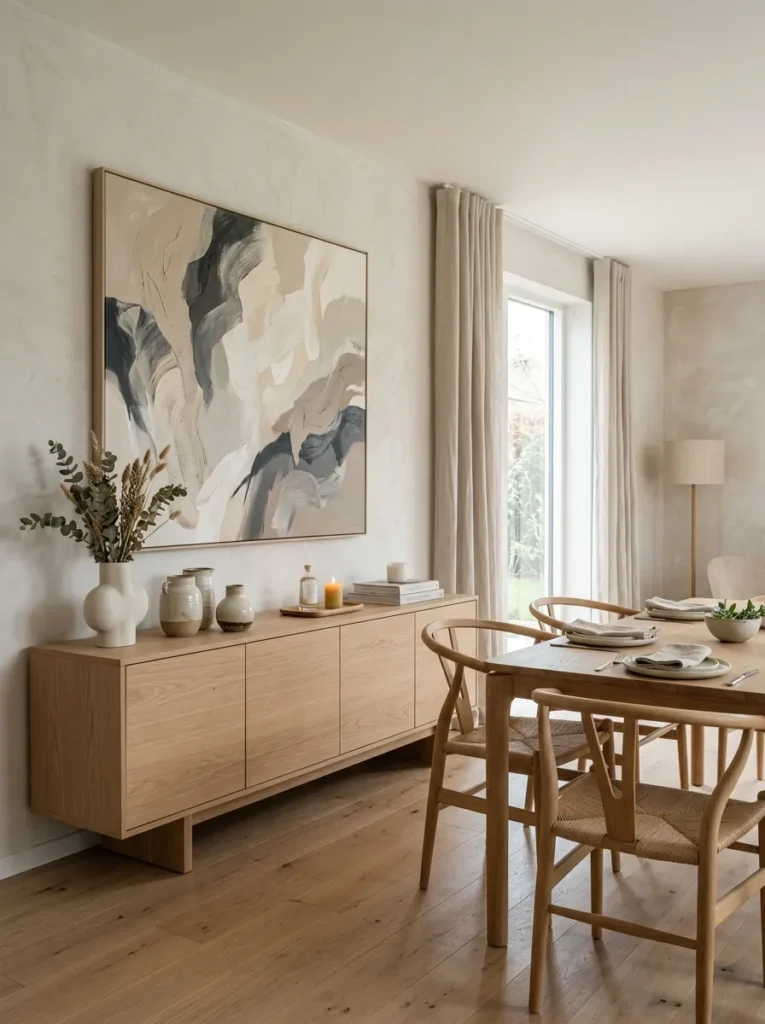
- Adds personality without overwhelming the room.
- Creates a clear focal point on an empty wall.
- Supports the neutral palette with subtle tones.
- Completes the space while preserving simplicity.
Artwork has the power to finish a room without making it feel busy. Choosing one oversized piece instead of several smaller frames creates a cleaner, more intentional appearance that suits minimalist interiors beautifully. Soft abstract designs in earthy shades echo the natural materials already present throughout the space while adding quiet visual interest. I’ve seen this approach transform empty dining room walls because a single statement piece feels calm, balanced, and sophisticated rather than decorative for the sake of filling space.
Keeping the artwork simple allows furniture, lighting, and handcrafted accessories to remain equally important within the overall composition. Thin wood or black frames provide subtle definition without distracting from the artwork itself. Hanging the piece at eye level above a sideboard or along the main dining wall creates a natural focal point that anchors the room. The finished space feels complete, carefully curated, and effortlessly timeless while maintaining the peaceful atmosphere that defines this decorating style.
Mixed Wood Tones
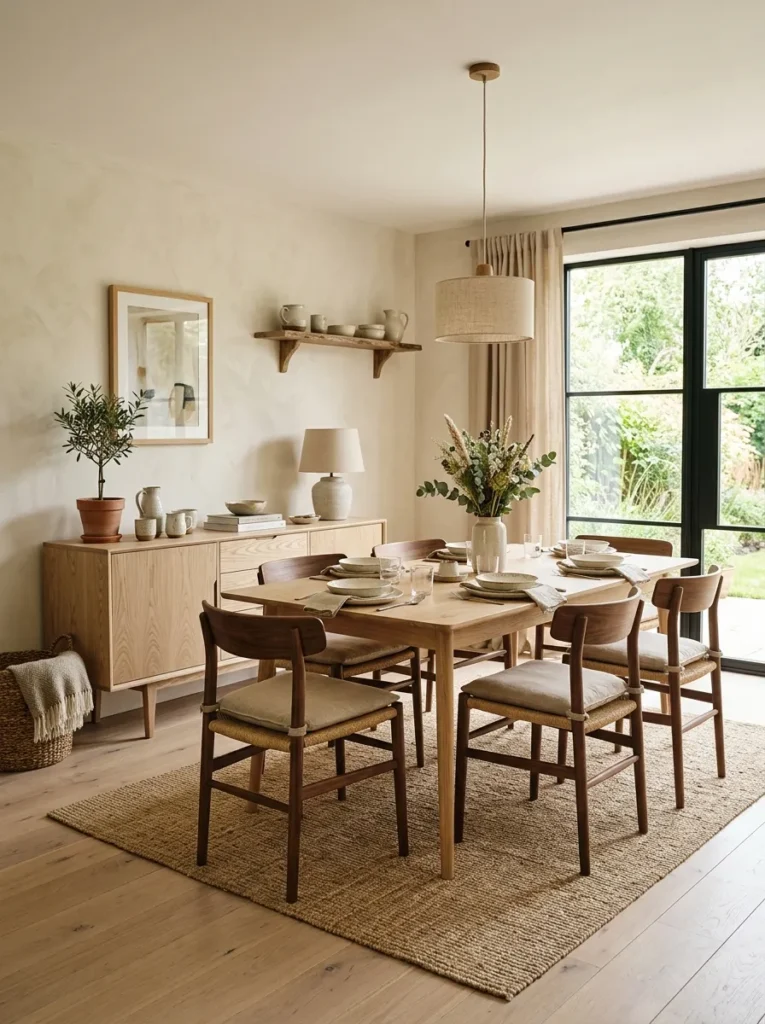
- Adds depth without relying on bold colors.
- Prevents the room from looking overly matched.
- Creates a collected, lived-in appearance.
- Brings warmth through natural material variation.
Perfectly matching every wood finish can sometimes make a dining room feel flat and predictable. Mixing light oak with gentle walnut or ash accents introduces natural variation while preserving a calm aesthetic. The subtle differences create visual depth without drawing attention away from the room’s overall simplicity. In my experience, keeping all the woods within warm, earthy undertones helps everything feel connected, even when the furniture comes from different collections or has been gathered gradually over several years.
The goal is balance rather than contrast. Let one wood tone become the dominant finish while the others appear through chairs, shelving, or decorative accents. This layered approach makes the room feel thoughtfully curated instead of purchased as a complete furniture set. Natural grain patterns also become more noticeable when different finishes sit together, adding quiet character throughout the space. The result feels warm, authentic, and timeless while remaining true to the understated beauty of minimalist design.
Curved Dining Chairs
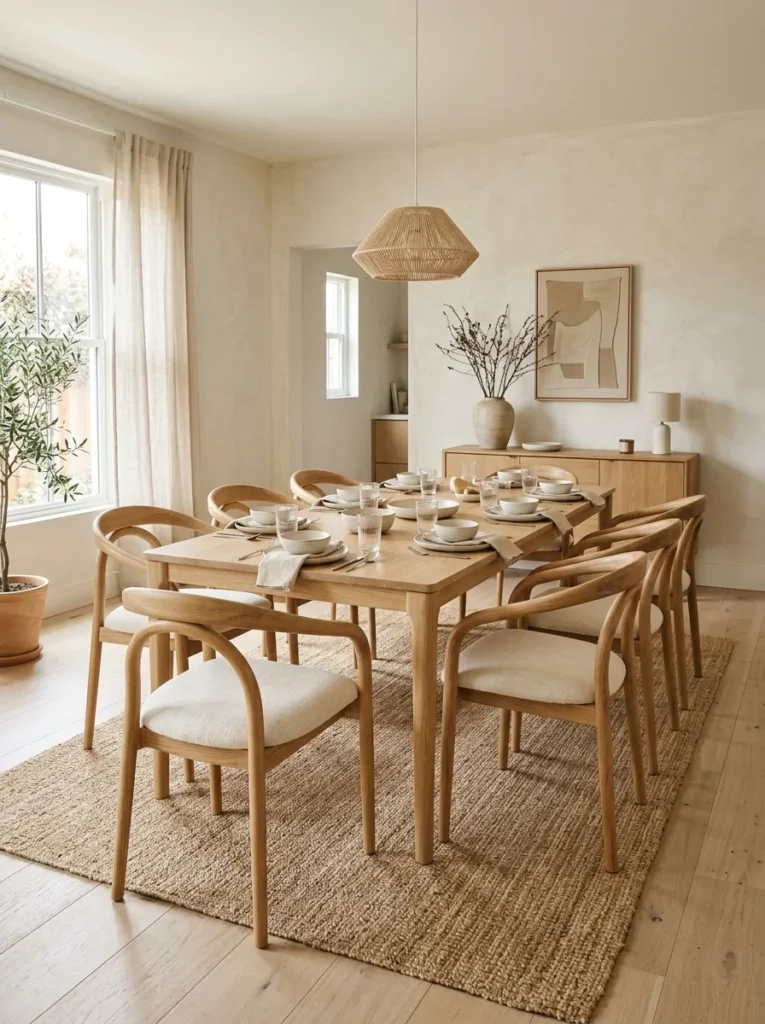
- Softens the straight lines found throughout the room.
- Improves comfort with supportive rounded backs.
- Creates a more welcoming and relaxed atmosphere.
- Adds subtle sculptural interest without extra decoration.
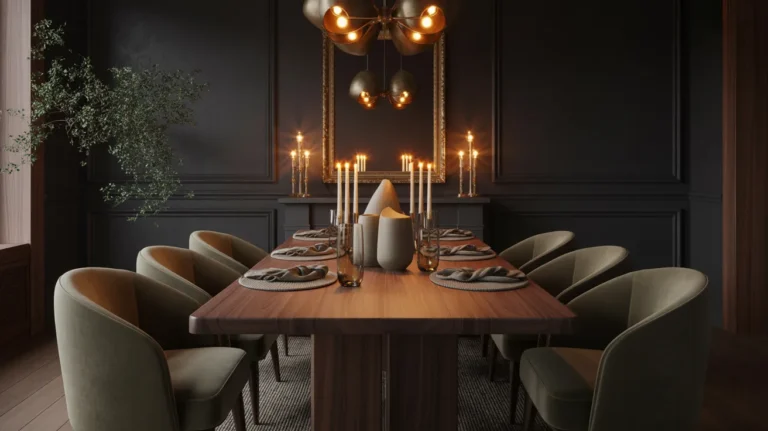
Straight lines create order, but gentle curves make a dining room feel inviting. Chairs with softly rounded backs introduce an organic shape that balances rectangular tables, shelving, and architectural features. This contrast adds visual harmony while preserving the clean simplicity of the overall design. I’ve noticed that curved seating also encourages a more relaxed atmosphere because the furniture appears softer and less formal. Even before anyone sits down, the room naturally feels warmer, friendlier, and easier to enjoy during everyday meals.
Rounded silhouettes pair beautifully with natural materials because they echo the imperfect forms found in nature. Combined with linen upholstery and light timber, these chairs become functional statement pieces without overpowering the room. Choosing simple designs with slim frames helps maintain an airy appearance while adding comfort for longer gatherings. The finished dining space feels balanced from every angle, proving that subtle shape variations can make just as much impact as introducing bold colors or decorative accessories.
Soft Candle Glow
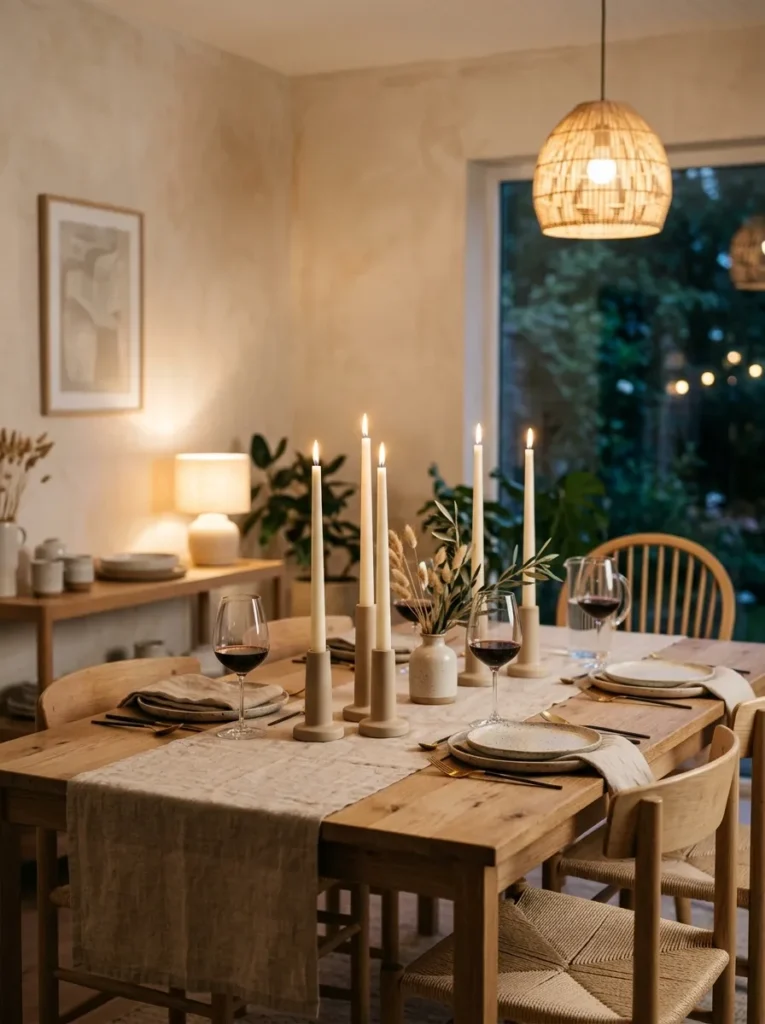
- Creates a cozy atmosphere for everyday dinners.
- Adds warmth without changing the overall décor.
- Enhances natural textures during the evening.
- Offers an inexpensive way to elevate the space.
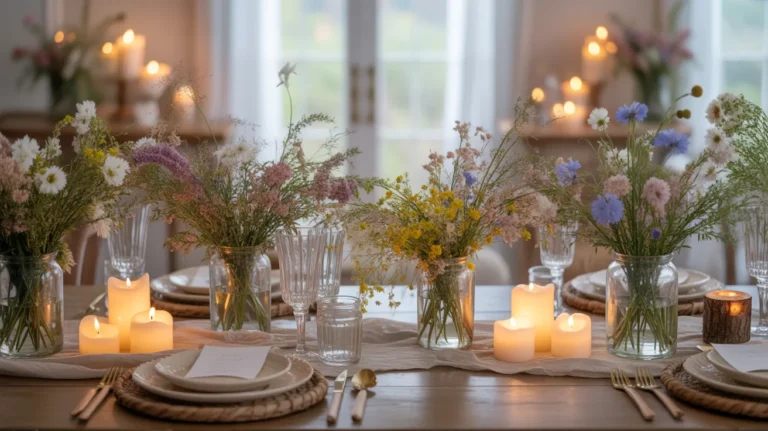
As daylight fades, candlelight completely changes the mood of a dining room. A few tall taper candles introduce a gentle glow that highlights wood grain, linen fabrics, and handcrafted ceramics in a beautifully understated way. Rather than creating dramatic lighting, they provide quiet warmth that encourages slower meals and more relaxed conversations. I’ve found that even a simple weekday dinner feels more special with soft candlelight, making the dining area feel welcoming without requiring elaborate decorations or expensive seasonal updates.
Matte ceramic candle holders blend naturally with neutral interiors while keeping the styling elegant and uncluttered. Varying candle heights creates subtle visual interest without overwhelming the table, especially when paired with a simple linen runner. This timeless combination works throughout every season and complements nearly any centerpiece you choose. Whether entertaining guests or enjoying a quiet family meal, the warm glow adds comfort, depth, and an inviting atmosphere that makes the entire room feel effortlessly refined.
Organic Branch Centerpiece
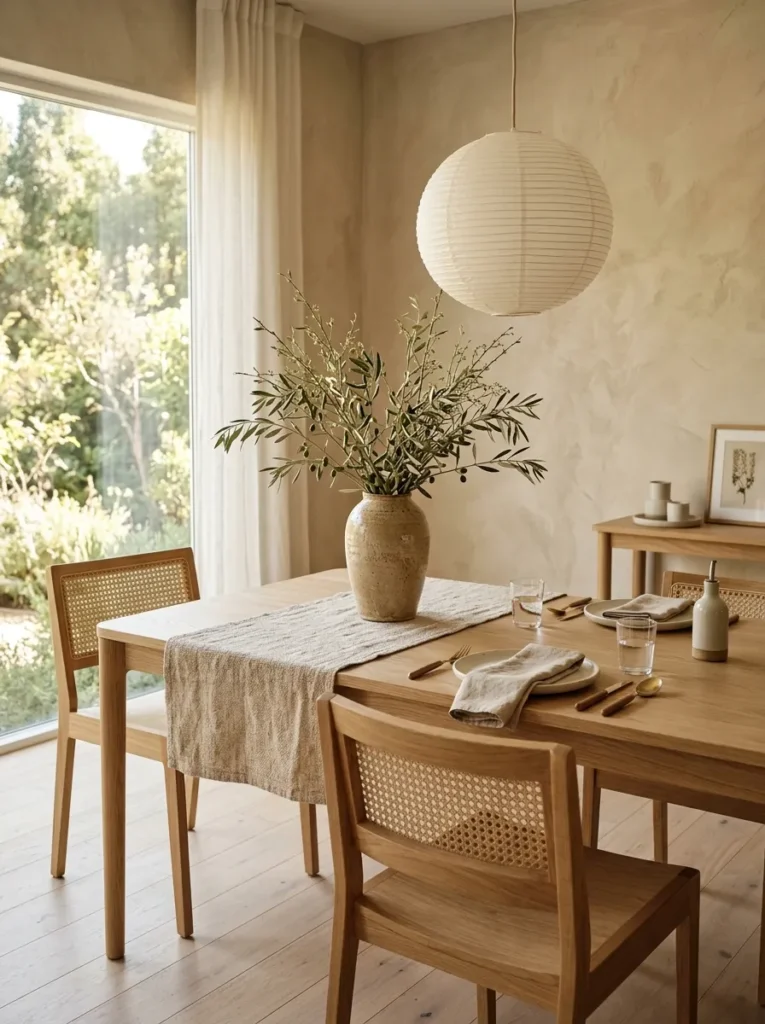
- Brings natural beauty to the table without adding clutter.
- Creates height and visual balance using simple greenery.
- Refreshes the dining space with minimal effort.
- Looks beautiful throughout every season with different branches.
A simple arrangement of natural branches proves that elegant styling does not need to be complicated. Olive, willow, eucalyptus, or seasonal cuttings instantly introduce movement, texture, and life while preserving the calm simplicity of the room. Instead of relying on colorful flowers, the understated greenery blends seamlessly with wood, linen, and handcrafted ceramics. I’ve seen this work beautifully in homes of every size because the display feels effortless, timeless, and easy to refresh whenever the seasons begin to change.
The key is choosing a sculptural branch with an interesting silhouette and displaying it in a matte ceramic vase that complements the surrounding materials. A thoughtfully styled centerpiece like this completes a Japandi Dining Room without competing with the furniture or architecture. As sunlight shifts throughout the day, the delicate shadows cast by the branches create subtle visual movement, making the dining space feel more organic and inviting. This finishing touch delivers quiet elegance while remaining practical, affordable, and beautifully minimalist.
Conclusion
Creating a dining room you love does not require a complete renovation. Small changes like adding natural textures, thoughtful lighting, or simple handcrafted pieces can make a powerful difference. A Japandi Dining Room reflects a peaceful lifestyle where beauty and function work together. I’ve seen how small updates can completely transform a space and make it feel more welcoming. Save these ideas on Pinterest for your next home project, try your favorite design touches, and share this inspiration with anyone who dreams of a calmer dining space. Your perfect room can begin with one simple change today.