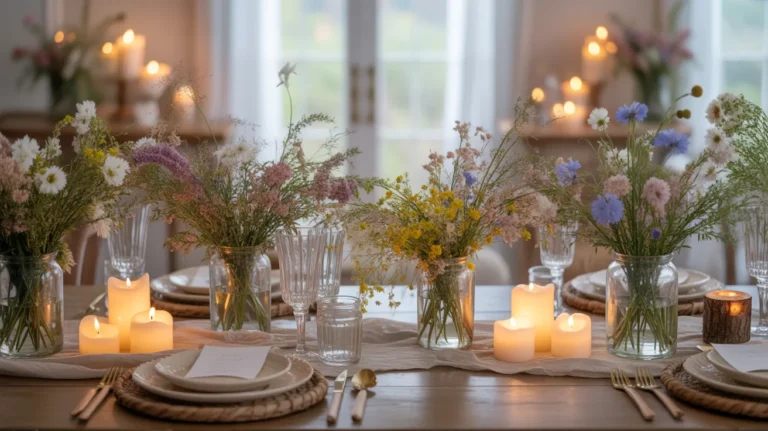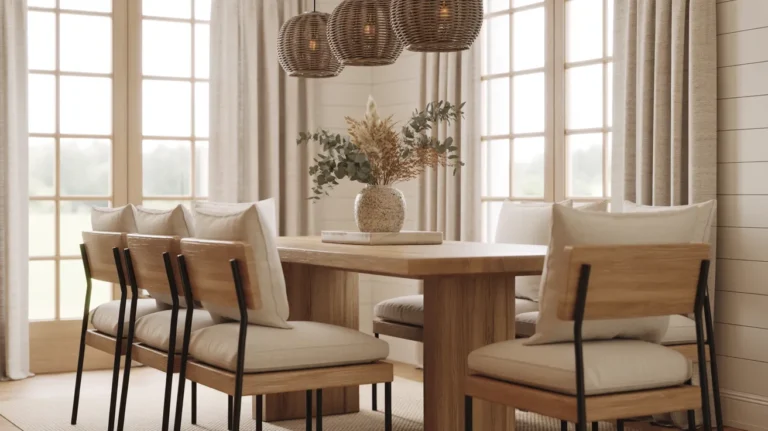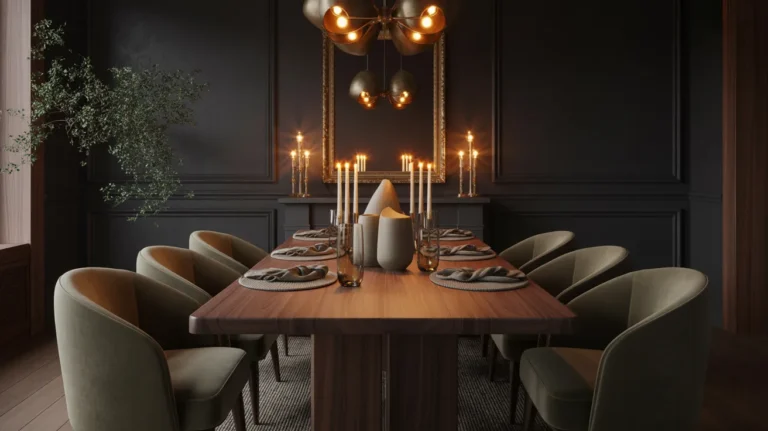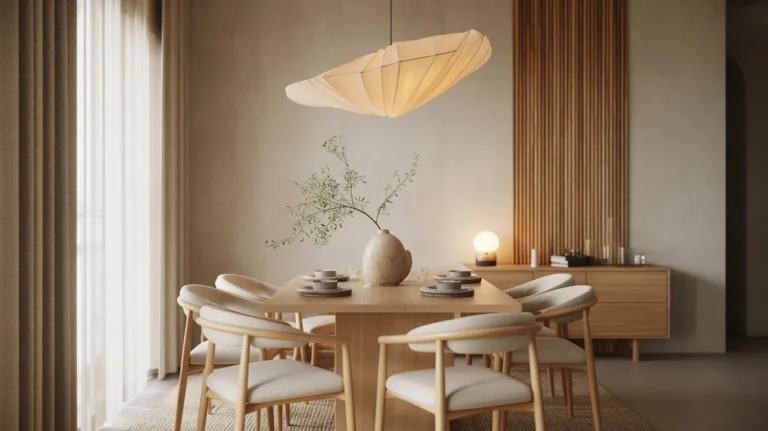
22 Corner Dining Nook Ideas to Maximize Small Spaces
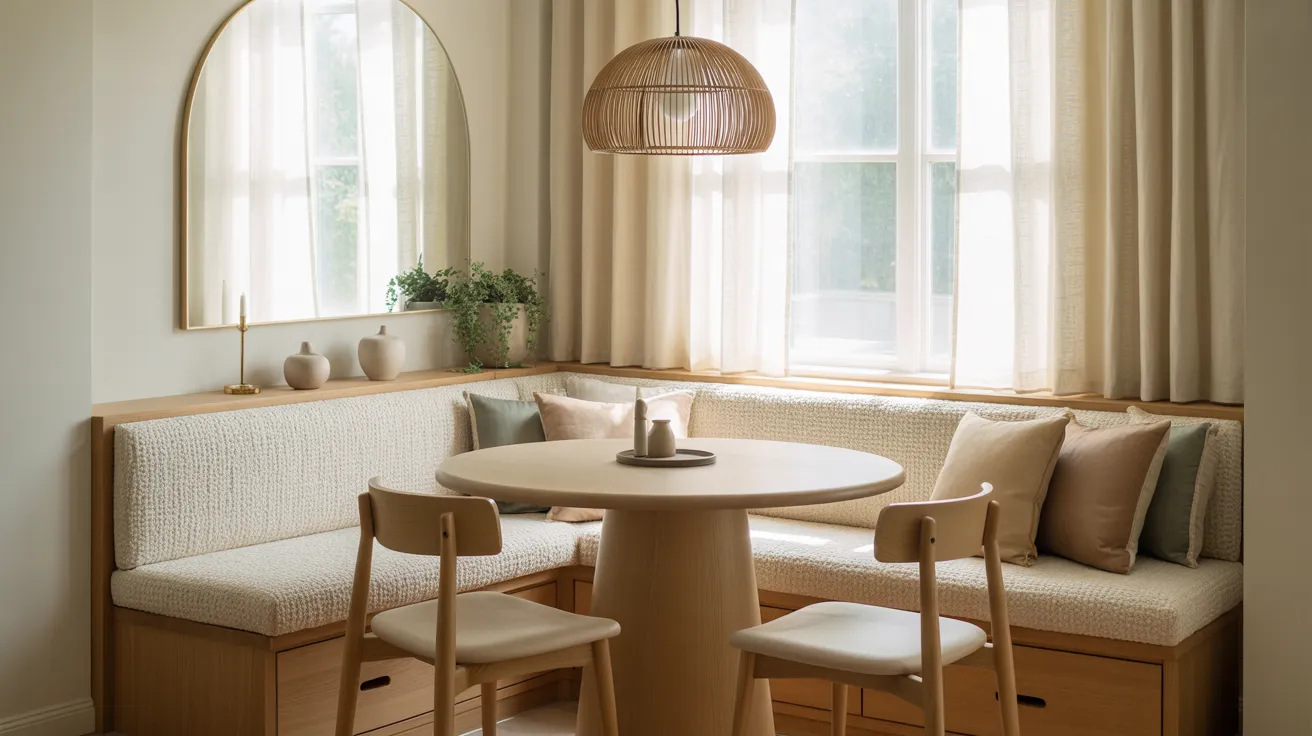
Small dining areas can feel cramped, but the right corner can become your favorite spot in the home. A clever layout, comfortable seating, and a few thoughtful details can completely change the way the space feels.
These corner dining nook ideas are designed to help you turn awkward or unused corners into practical, beautiful dining spaces without overwhelming the room. You’ll find smart solutions such as built-in benches, compact tables, hidden storage, flexible seating, mirrors, shelving, and layered lighting. Each idea focuses on making small spaces work harder while still feeling warm and inviting. In my experience, even a simple change in furniture placement can make a surprisingly noticeable difference. Whether you’re decorating a tiny apartment or refreshing a compact kitchen corner, these ideas can help you create a space that feels intentional, comfortable, and Pinterest-worthy.
Built-In Bench Seating
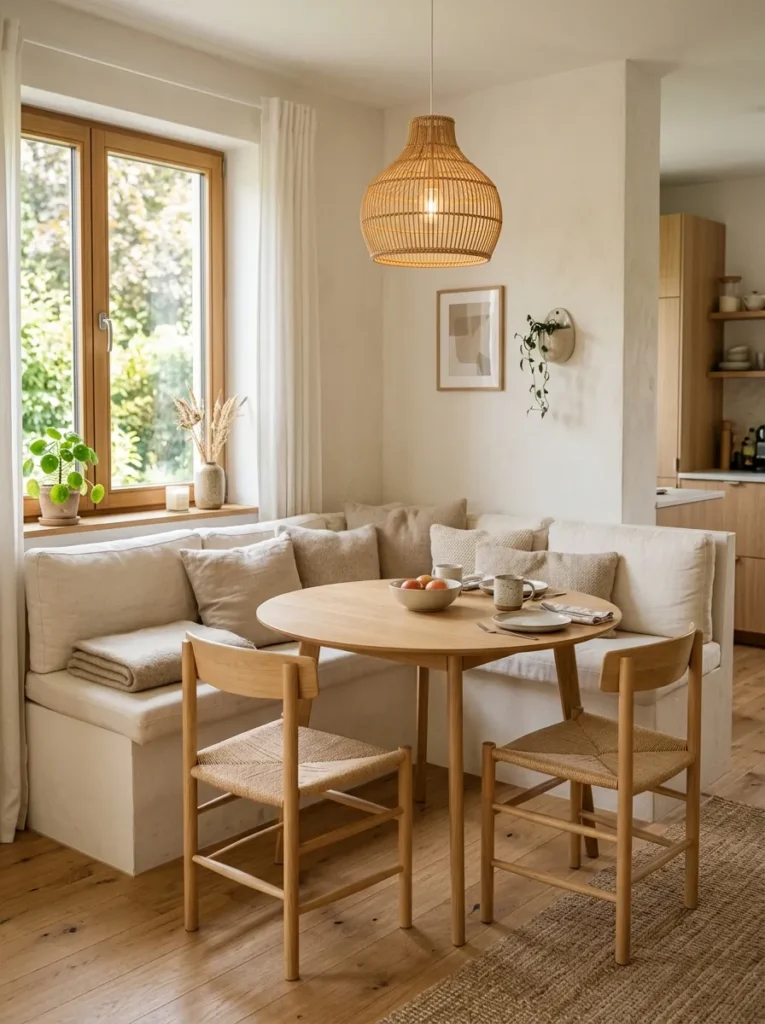
- A wall-to-wall bench uses an awkward corner without wasting valuable floor space.
- A slim table keeps the center open and makes movement easier.
- Cushions and a soft backrest add comfort for everyday meals.
- Storage beneath the bench can hide linens, placemats, or serving pieces.
A built-in bench can turn an overlooked corner into one of the most useful spots in a small home. The seating follows the walls closely, leaving more walking space around the table while creating a polished, intentional look. Choose a slim rectangular or round table based on the room’s shape, then pair it with lightweight chairs that can slide underneath when not needed. In my experience, upholstered benches feel especially inviting in breakfast areas because they soften hard surfaces and make quick meals feel more comfortable without making the room visually heavy.
This layout also gives you a chance to add practical storage where it would otherwise be wasted. A lift-up bench seat can hold table linens, seasonal serving pieces, or small kitchen supplies, while drawers provide easier access. Keep the upholstery in a washable neutral fabric if the nook will be used frequently, especially in homes with children. Light wood, warm white walls, and simple cushions help the area feel larger. The result is a corner dining nook that looks custom-built while making every inch work harder for daily living.
Round Pedestal Table
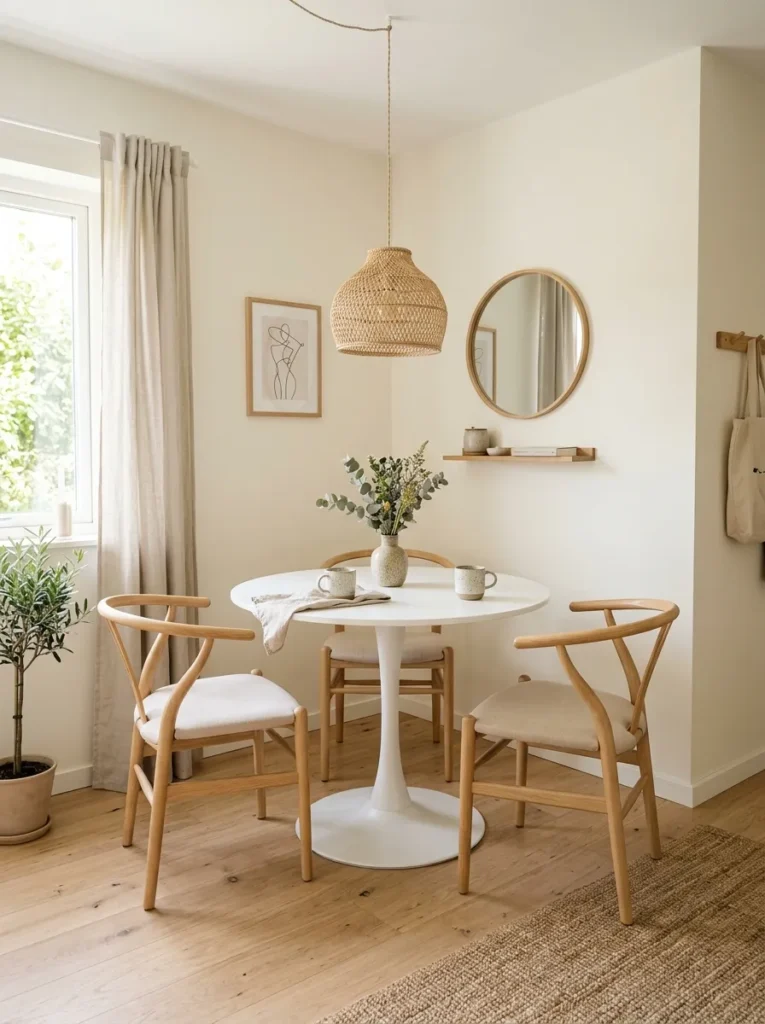
- A round tabletop softens sharp corners and makes tight circulation paths easier to navigate.
- A pedestal base provides more legroom than a traditional four-legged table.
- Light wood or white finishes help keep the corner visually airy.
- Curved or compact chairs complete the space-conscious arrangement.
Few small-space changes are as simple and effective as replacing a bulky table with a round pedestal design. The curved shape allows people to move around the seating more easily, while the central base eliminates the visual and physical clutter created by four separate legs. This makes the arrangement especially useful when the table sits close to walls, cabinets, or a walkway. A round table also encourages relaxed conversation because everyone faces the center naturally. For a compact corner dining nook, this shape can create a surprisingly open feeling without sacrificing useful seating.
The finish matters just as much as the shape. Pale oak, white, or light natural wood reflects more light and keeps the dining area from feeling crowded. I’ve noticed that pairing a pedestal table with slim chairs makes a small corner look noticeably cleaner because more flooring remains visible underneath the furniture. Keep decorative pieces low and simple, such as a small vase or bowl in the center. This approach creates a practical eating area that feels balanced, bright, and flexible enough for breakfast, homework, coffee, or casual dinners.
Window-Side Breakfast Nook
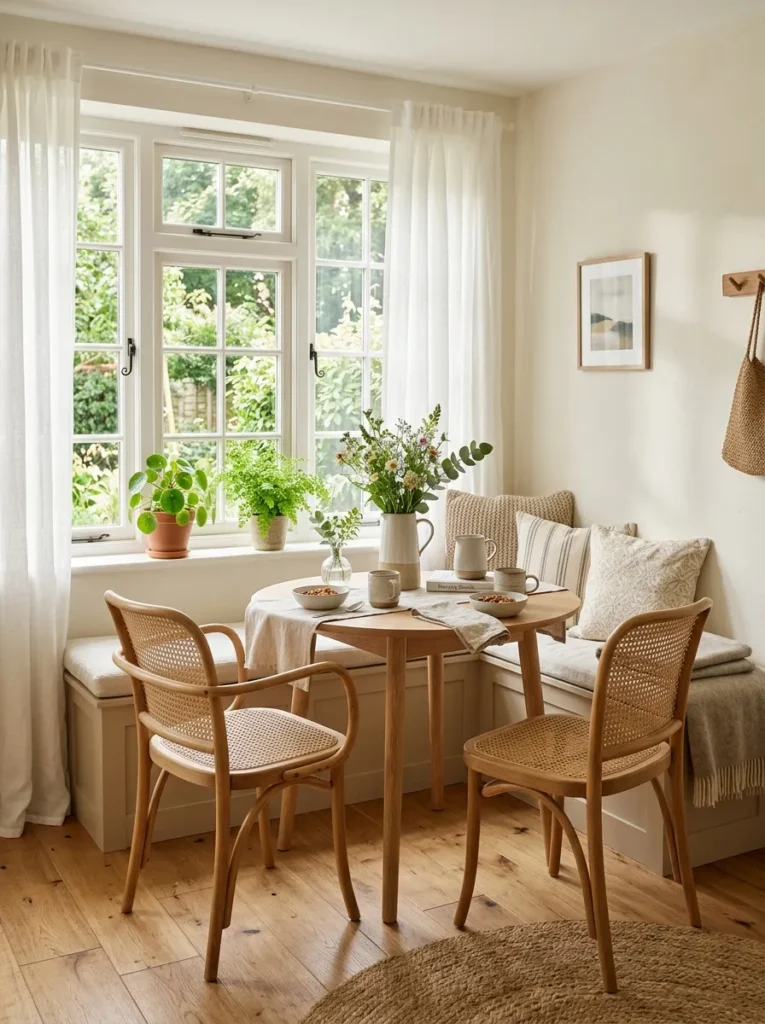
- Positioning the table beside a window brings natural light directly into the dining area.
- A narrow bench provides comfortable seating without blocking the glass.
- Light curtains preserve brightness while adding softness and privacy.
- Small plants or fresh flowers bring life without taking up much space.
A window can instantly make a compact dining corner feel larger, brighter, and more inviting. Placing a small table beside the glass lets daylight become part of the design instead of relying entirely on overhead fixtures. This works particularly well for breakfast spaces, where morning light creates a naturally cheerful atmosphere. Keep the furniture low and streamlined so the window remains visually open. If the sill is wide enough, use it for a few herbs or a small plant rather than adding extra furniture. The goal is to make the view and daylight feel like part of the room.
For comfortable seating, a narrow bench along one wall can maximize capacity without crowding the window area. Add two lightweight chairs opposite it when extra seats are needed, and choose sheer curtains if privacy is important. In my experience, natural textures such as woven seats, linen cushions, and light wood make window-side dining areas feel warmer without making them look busy. A small centerpiece is enough; too many accessories can compete with the daylight. The finished arrangement feels relaxed, functional, and especially pleasant for everyday breakfasts or quiet afternoon coffee.
Wall-Mounted Drop-Leaf Table
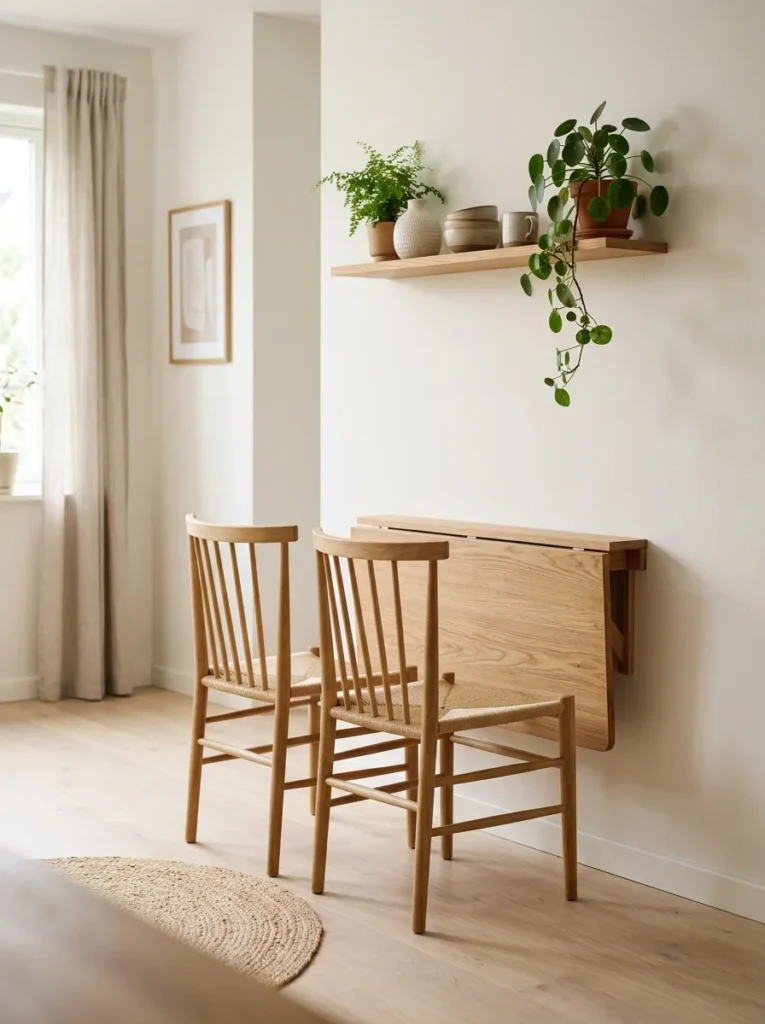
- A fold-down tabletop creates dining space only when you need it.
- The wall-mounted design keeps the floor completely open after meals.
- Pair it with stackable or lightweight chairs for maximum flexibility.
- Add a small shelf above the table for dishes, plants, or simple decor.
When floor space is extremely limited, a wall-mounted drop-leaf table can make a surprisingly big difference. The tabletop folds down when you need a place to eat and closes against the wall when the area needs to function as a walkway or work zone. This flexibility makes it especially useful in compact apartments, studio homes, and narrow kitchens. Keep the surrounding furniture slim so the folded table does not feel visually crowded. A simple wood finish can also add warmth while maintaining the clean, uncluttered appearance that small rooms benefit from most.
The best part is how easily this setup can change throughout the day. Open it for breakfast, lunch, or dinner, then fold it away when you need more room for movement. I’ve seen this work particularly well when paired with two lightweight chairs that can slide underneath or hang nearby. Consider adding a narrow wall shelf above the table for everyday dishes or decorative pieces. With thoughtful placement, this arrangement turns an unused corner into a practical dining spot without permanently sacrificing valuable floor area.
Corner Banquette Seating
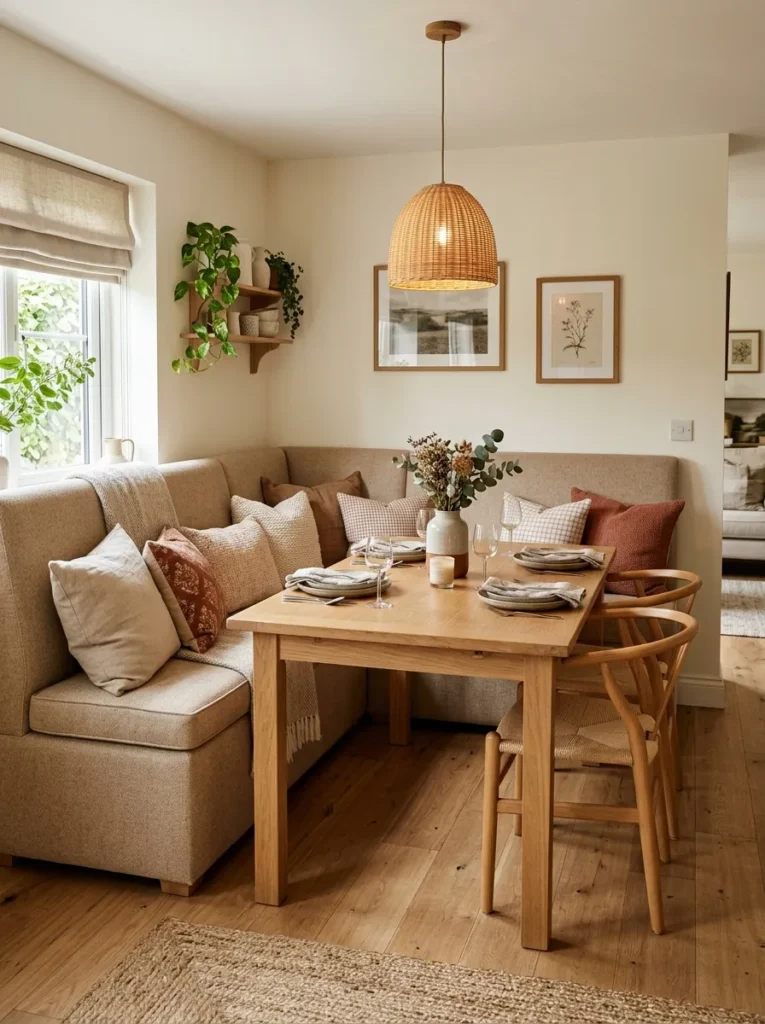
- A banquette follows the shape of the walls and makes awkward corners useful.
- Cushioned seating provides more comfort while fitting several people efficiently.
- A rectangular table can create a classic built-in restaurant-style arrangement.
- Coordinated upholstery and wood tones make the setup feel intentional and polished.
An L-shaped banquette is one of the most efficient ways to turn a difficult corner into comfortable everyday seating. Instead of leaving empty space behind conventional chairs, the bench occupies the perimeter and gives the table a defined shape. This arrangement works especially well in kitchens where a corner might otherwise become dead space. Choose a table that leaves enough room for people to slide in and out comfortably. Rounded table edges can be particularly helpful in narrow rooms because they reduce sharp corners and make circulation feel smoother around the seating.
Comfort and proportion are important when designing this type of arrangement. A seat cushion around the same depth as a dining chair can provide plenty of support without making the bench unnecessarily bulky. In my experience, neutral upholstery is a practical choice because it keeps the built-in furniture visually light and works with changing decor. Add a few washable cushions for softness, then use a simple pendant above the table to define the dining zone. The result feels custom, comfortable, and considerably more organized than loose furniture scattered around the corner.
Built-In Storage Bench
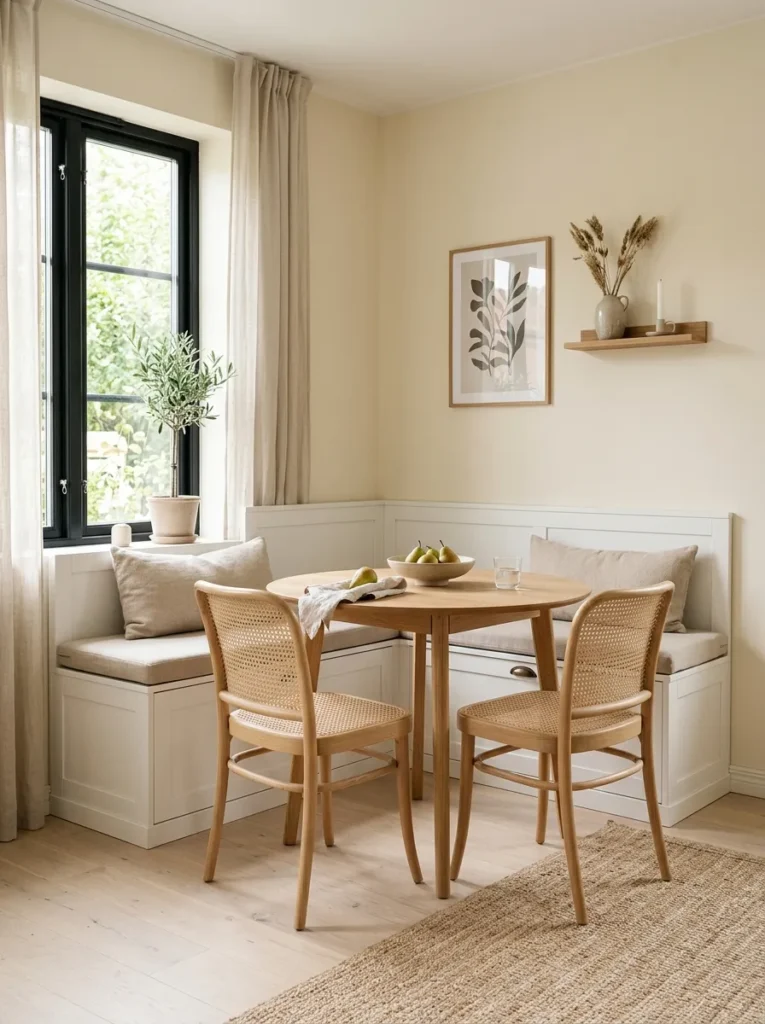
- Hidden storage turns unused seating space into valuable everyday organization.
- Lift-up seats provide convenient access to linens, placemats, and serving accessories.
- Closed compartments help keep small rooms looking tidy and uncluttered.
- Soft neutral upholstery balances practical storage with a comfortable dining feel.
A storage bench gives a small dining area two jobs at once: comfortable seating and useful organization. Instead of allowing the space beneath a bench to remain empty, you can use it to store items that need to stay nearby but do not deserve valuable cabinet space. Think tablecloths, napkins, placemats, seasonal dishes, or small entertaining supplies. This approach is especially useful when kitchen storage is already limited. The bench also creates a cleaner visual line because fewer loose baskets or storage containers need to remain on the floor around the table.
Choose storage access based on how often you expect to use the items inside. Lift-up seats work well for larger seasonal pieces, while drawers are better for everyday essentials you reach for regularly. I’ve noticed that keeping the visible part of the bench simple makes the entire corner feel calmer, particularly in open-plan homes. Use washable fabric, durable wood, and a few coordinated cushions for comfort. When the colors stay light and consistent, the storage furniture blends naturally into the room instead of making the dining area feel heavy.
Floating Corner Bench
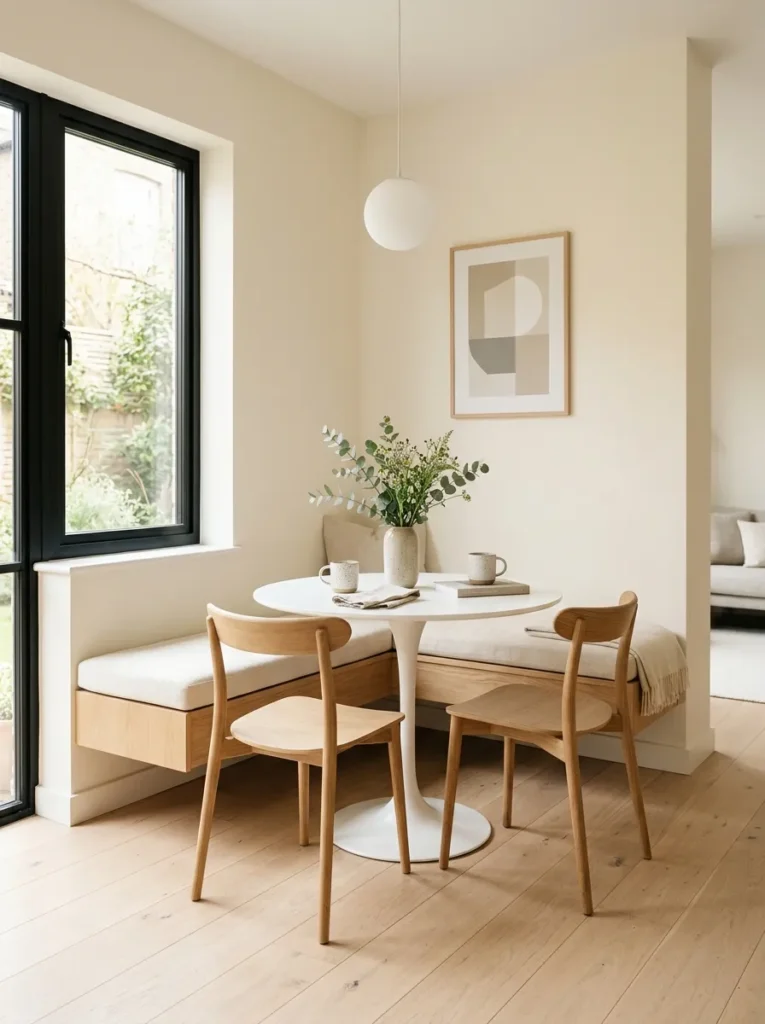
- A wall-mounted bench keeps the floor underneath completely open and visually lighter.
- The floating design makes cleaning around the dining area easier.
- Pair it with a compact table and slim chairs for balanced proportions.
- Add soft cushions to bring comfort without adding bulky furniture.
A floating bench creates a clever sense of openness because the seating appears to hover above the floor. Mounting the bench directly to the wall removes bulky legs and leaves more visible flooring underneath, which can make a compact dining area feel surprisingly spacious. This approach works particularly well in narrow corners where every inch matters. Pair the bench with a small round or oval table, then choose chairs with slim profiles. The open space beneath the furniture also makes the entire corner easier to clean and gives the room a more streamlined appearance.
For the best result, keep the materials simple and coordinated. A light oak bench with a cream cushion works beautifully against warm white walls, while darker wood can create a stronger contrast in a neutral room. I’ve noticed that floating furniture looks especially effective when the surrounding decor is restrained, because the open floor becomes part of the visual design. Add one pendant or a small wall light above the table to establish a defined dining zone. A few cushions can finish the space without overwhelming its clean, airy character.
U-Shaped Dining Nook
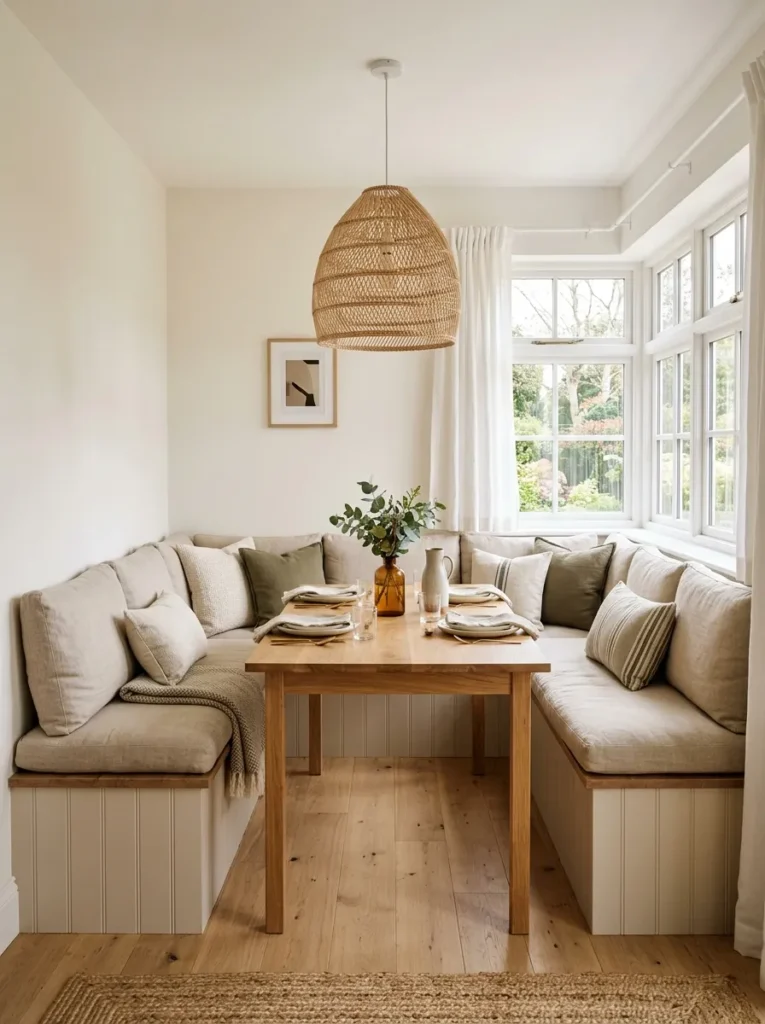
- Three-sided seating makes excellent use of a deeply recessed corner.
- A compact central table creates a dedicated eating area without spreading furniture outward.
- Layered cushions make the enclosed arrangement feel softer and more comfortable.
- Keep the table narrow enough to preserve comfortable movement around the entrance.
A U-shaped arrangement can transform a deep corner into a dedicated dining zone while making excellent use of three surrounding walls. Instead of placing separate chairs around the entire perimeter, built-in seating creates a compact enclosure that feels intentional and efficient. This layout works best in larger recessed corners where there is enough depth for comfortable seating without blocking the room’s main pathway. A narrow rectangular table usually provides the most practical fit. Keep its width modest so people can sit comfortably on opposite sides without feeling squeezed together.
Because the seating surrounds the table, this arrangement naturally feels cozy and connected. In my experience, keeping the upholstery light helps prevent a three-sided bench from becoming visually overwhelming, especially in rooms with limited natural light. Use washable cushions in cream, beige, or soft gray, then introduce warmth through oak or natural wood surfaces. A pendant centered above the table can visually anchor the entire composition. When the proportions are carefully measured, this setup can provide several seats while occupying surprisingly little of the surrounding living space.
Curved Corner Seating
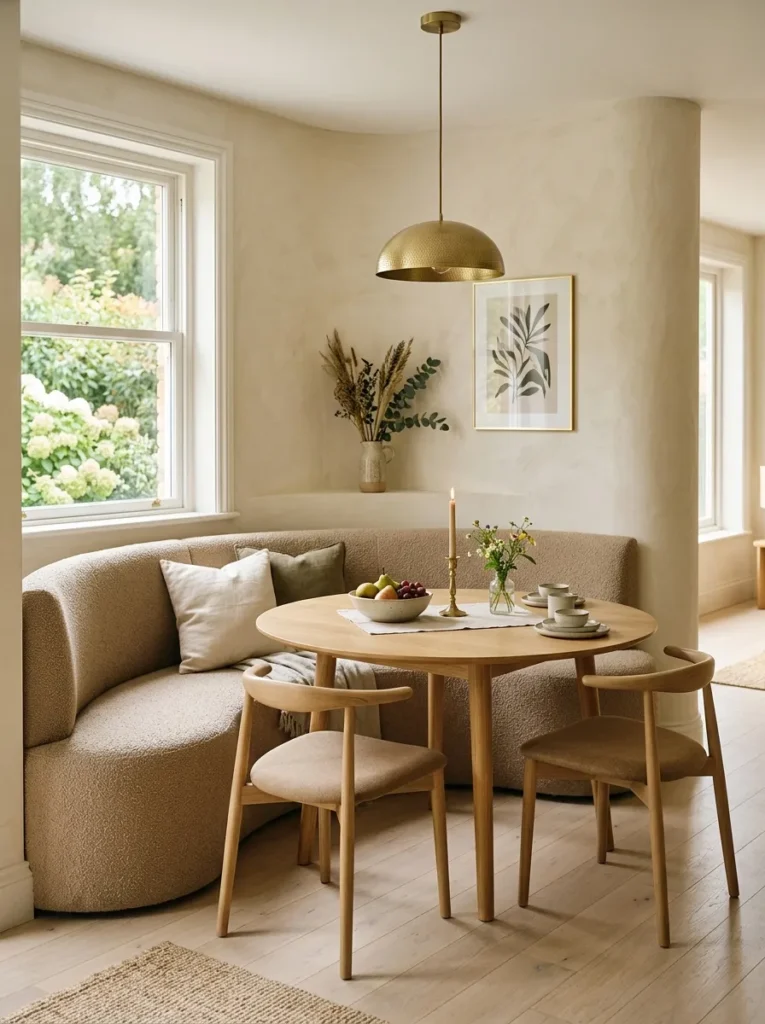
- Rounded seating softens the geometry of a tight dining corner.
- A curved bench can follow an unusual wall shape more naturally than straight furniture.
- Pairing it with a round table creates a cohesive flowing arrangement.
- Upholstered surfaces add comfort and make the dining area feel more inviting.
Curved seating can make a compact dining area feel softer and less crowded by replacing rigid straight lines with a smoother visual flow. A rounded bench is especially useful when the corner has an unusual shape or when you want the furniture to follow the architecture rather than fight against it. Pairing curved seating with a round table creates a natural relationship between the pieces, while slim chairs can fill the remaining side without adding visual bulk. This combination makes movement around the table easier and gives the entire arrangement a more finished appearance.
The upholstery is an opportunity to introduce softness without using excessive decoration. Choose a durable neutral fabric such as beige, oatmeal, or warm gray, then add one or two cushions for extra comfort. I’ve noticed that curved furniture looks best when the rest of the space remains relatively simple, allowing the silhouette to become the main feature. A small pendant light above the table can reinforce the rounded composition. With natural wood, soft textiles, and gentle lighting, the corner becomes both functional and visually balanced.
Window Bench With Drawers
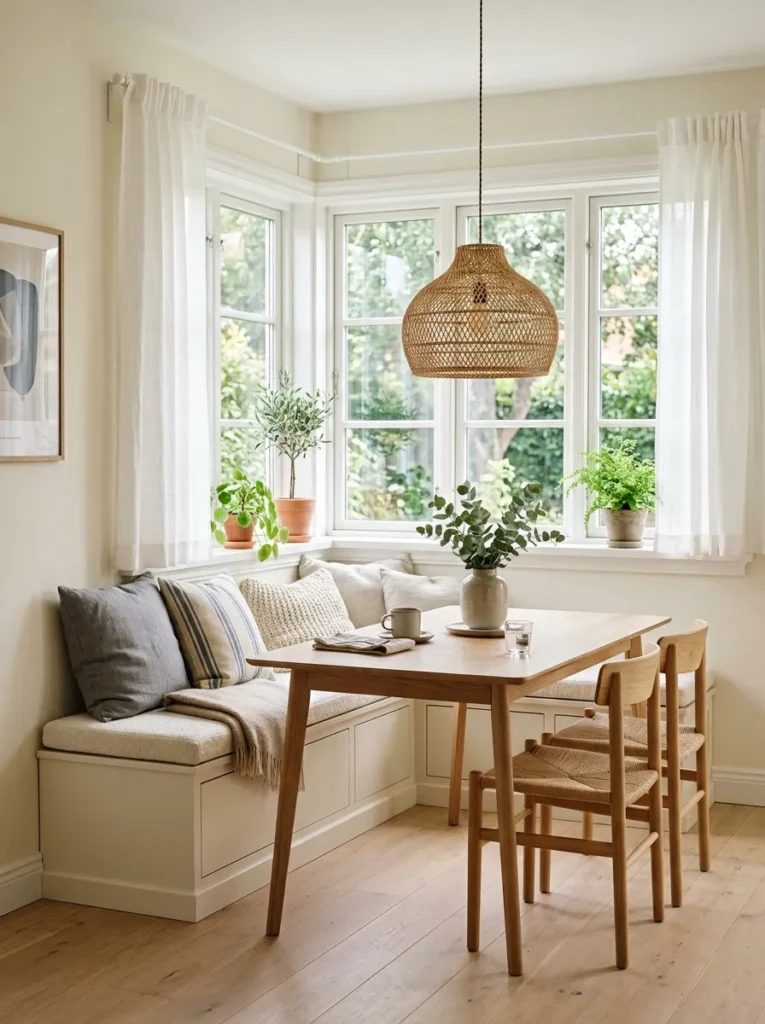
- Drawer storage beneath the bench keeps everyday dining essentials close at hand.
- Positioning seating below a window uses vertical space without blocking the room.
- A slim table preserves an easy walkway around the corner.
- Light upholstery and natural wood keep the arrangement bright and visually open.
A window bench with built-in drawers can turn an ordinary corner into a highly practical dining spot without adding unnecessary furniture. The seating fits directly beneath the window, while the drawers provide hidden storage for napkins, placemats, tablecloths, and small serving pieces. This arrangement is particularly useful in kitchens where cabinet space is limited. Choose a table with a narrow footprint so the seating remains comfortable while the surrounding walkway stays clear. The combination of daylight, streamlined furniture, and concealed storage creates a corner that feels organized rather than cramped.
Drawer storage also makes everyday routines easier because frequently used items remain within reach. Unlike deep storage compartments that require you to lift an entire cushion, drawers let you quickly grab what you need and close them again. I’ve noticed that pale upholstery works especially well beneath windows because it keeps the area bright while allowing natural light to bounce across the room. Add washable cushions, simple curtains, and one small centerpiece to complete the setting. The result is a comfortable dining area that quietly solves several storage problems at once.
Narrow Rectangular Table
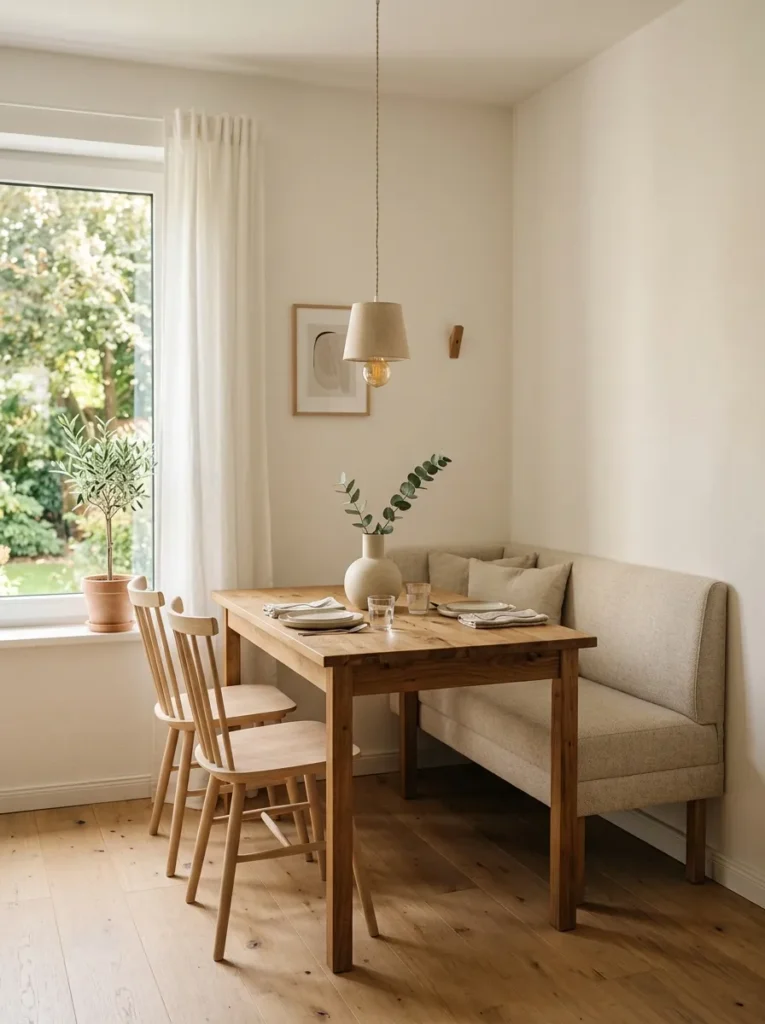
- A slim rectangular table makes better use of long, narrow corners.
- Positioning one end close to the wall preserves valuable circulation space.
- Lightweight chairs can slide underneath when the table is not being used.
- A simple tabletop leaves room for flexible decorating and everyday activities.
A narrow rectangular table is a reliable choice when a dining corner is long but not particularly wide. Its straight shape can run parallel to a wall, allowing you to use the available length without forcing furniture too far into the room. One side can sit against a bench while chairs occupy the opposite side, creating efficient seating without excessive depth. This configuration works especially well beside kitchens, hallways, or living areas where maintaining a clear walkway is essential. The key is choosing a table narrow enough to leave comfortable space for movement.
The table can also serve several purposes beyond meals, which is valuable in a small home. It can become a homework station, coffee spot, or temporary workspace when needed. In my experience, choosing a simple wood finish makes this flexibility easier because it blends naturally with different activities and surrounding decor. Keep the tabletop relatively clear and use chairs that tuck completely underneath. A small pendant or wall light can visually define the area, while neutral textiles add softness without making the compact arrangement feel crowded.
Built-In Corner Booth
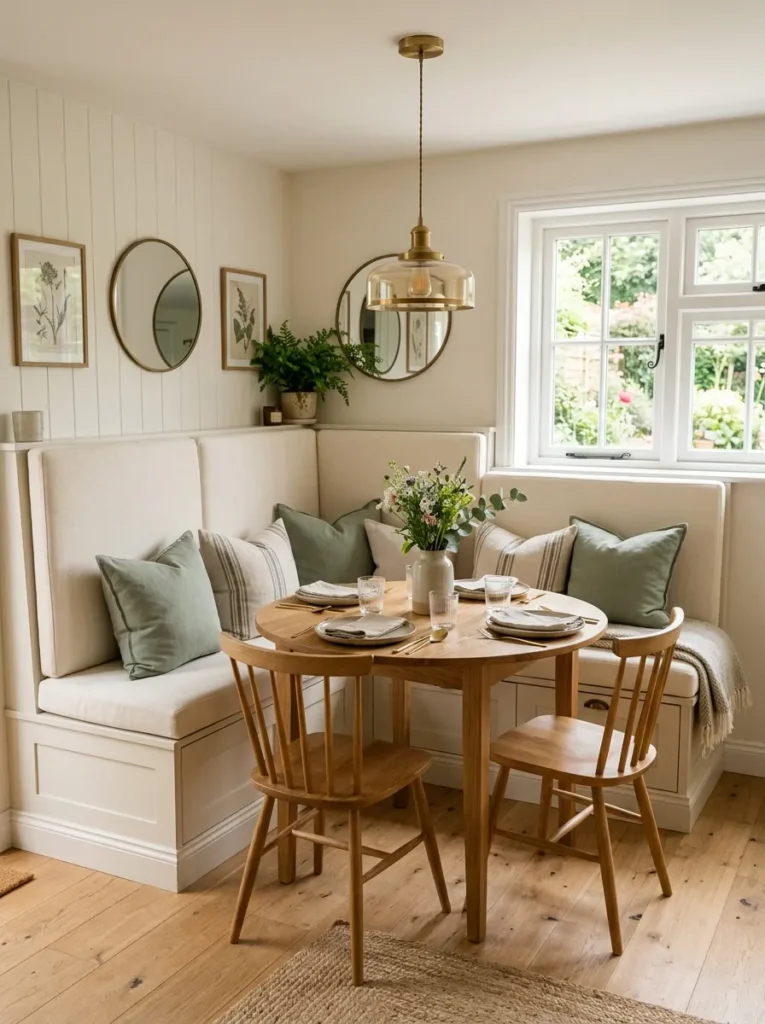
- A booth-style arrangement creates dedicated seating while using two adjoining walls.
- Upholstered backs make longer meals more comfortable.
- A compact table keeps the central area functional without overwhelming the booth.
- Matching cushions can add color and personality without requiring extra furniture.
A built-in corner booth gives a small dining area the character of a cozy café while making efficient use of otherwise difficult wall space. The seating wraps around two sides, creating a defined zone that feels separate from the surrounding kitchen or living area. This can be especially helpful in open-plan homes because the booth visually establishes where meals happen without requiring a full dining room. Choose a compact table that leaves enough room for comfortable entry and exit, then use the remaining open side for one or two movable chairs.
Comfort becomes the main advantage of this arrangement when the bench includes a supportive backrest. Soft upholstery can make everyday meals more pleasant while adding texture and color to an otherwise simple corner. A few coordinated cushions are enough to personalize the booth without creating clutter. I’ve seen this setup work beautifully with warm wood, cream fabric, and muted accent colors because the materials create visual depth without making the space feel smaller. Finish the arrangement with a pendant positioned directly over the table for a polished, cohesive look.
Pedestal Bench Combination
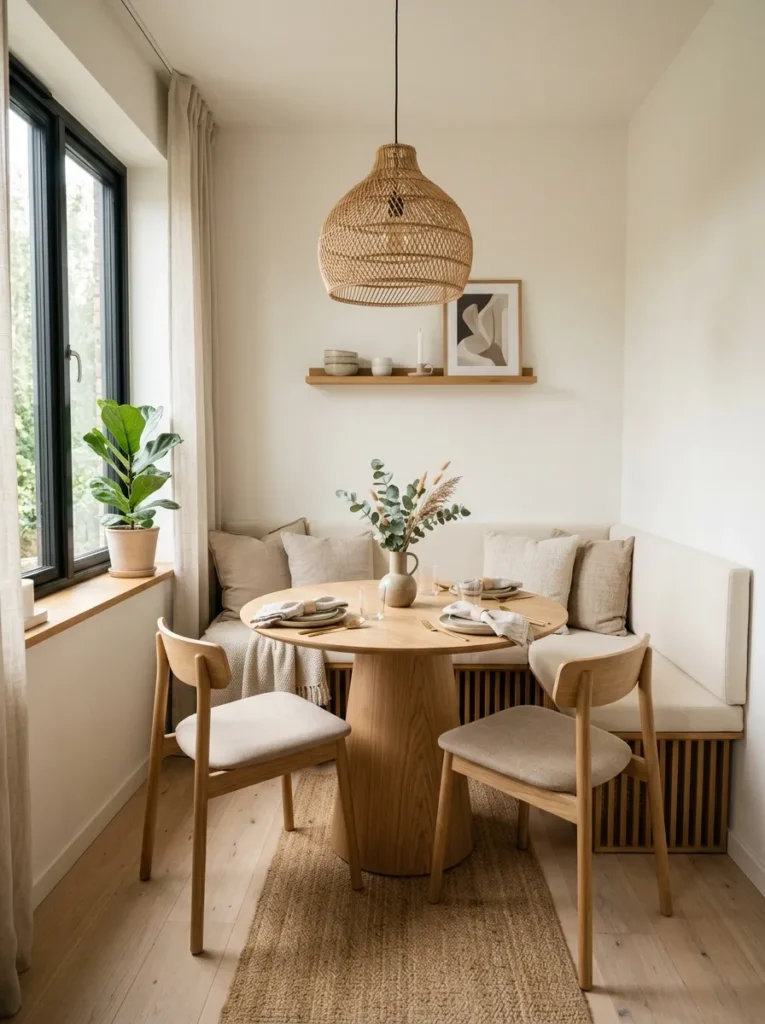
- A pedestal table creates generous legroom beside built-in seating.
- The bench uses the wall edge while the table stays visually centered.
- A light wood finish keeps the arrangement warm without making it bulky.
- Compact chairs can be moved easily when additional seating is needed.
A pedestal table paired with a built-in bench creates an efficient arrangement where every piece has a clear purpose. The bench follows the corner, while the single central table base leaves plenty of legroom for people sitting on both sides. Unlike a table with four separate legs, the pedestal design reduces visual clutter underneath and makes it easier to slide into the seating. This setup works particularly well when the dining area is close to a kitchen walkway because people can move around the table more comfortably without constantly bumping into furniture.
The combination also gives you flexibility when your seating needs change. Two compact chairs can be added opposite the bench for family meals, then moved elsewhere when you want the area to feel more open. I’ve noticed that light oak paired with cream upholstery creates a particularly balanced look because the wood adds warmth while the fabric keeps the corner visually soft. Keep the centerpiece small and choose one overhead light to define the area. These simple choices help the furniture feel coordinated without making a compact room look overdecorated.
Two-Tone Seating
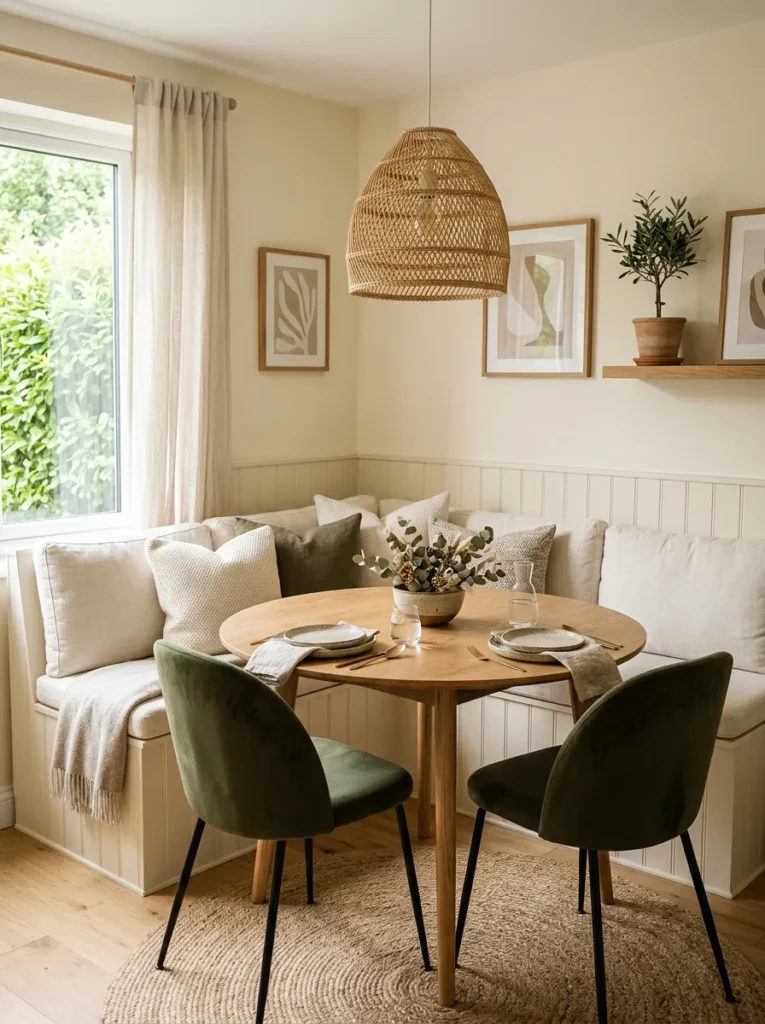
- Mixing two seating colors adds visual interest without requiring additional decoration.
- A lighter bench can keep the corner feeling spacious and bright.
- Darker chairs create contrast and give the arrangement more definition.
- Repeating one accent color in cushions or artwork creates visual connection.
Two-tone seating can give a compact dining area personality without filling it with unnecessary accessories. Instead of using matching chairs and bench upholstery throughout, choose two complementary shades that create subtle contrast. A cream bench paired with muted green, blue, or charcoal chairs can define the seating arrangement while keeping the overall design cohesive. This technique is especially useful when the room itself is neutral and needs a small dose of color. Keep the table finish natural or understated so the seating remains the main visual feature.
The colors do not need to be dramatic to make an impact. Soft beige with sage green, warm white with terracotta, or oatmeal with muted navy can all create an inviting combination. In my experience, repeating one of the accent shades elsewhere in the room makes mismatched seating look intentional rather than random. Try a cushion, small artwork, or ceramic accessory in the same tone. This approach adds depth while preserving the clean appearance that makes compact dining spaces feel comfortable rather than visually crowded.
Corner Table With Shelving
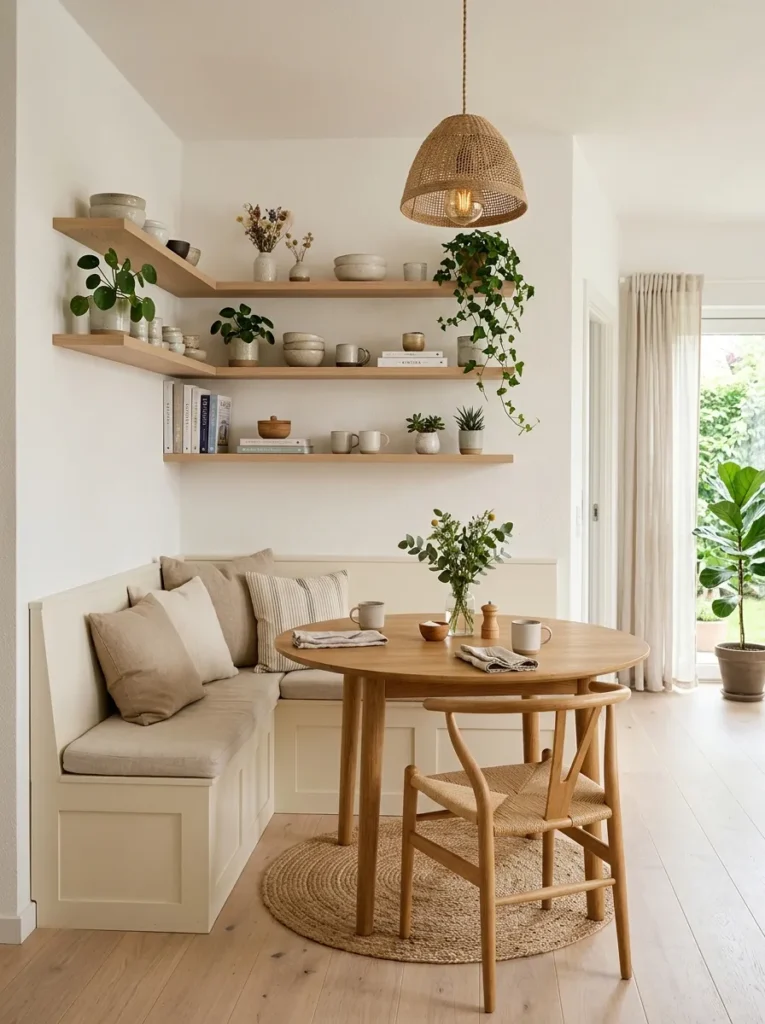
- Wall shelving adds useful storage without taking up valuable floor space.
- Open shelves keep dishes and decorative pieces easy to reach.
- A compact table leaves enough room for comfortable movement around the corner.
- Matching wood tones can visually connect the furniture and shelving.
Adding shelving above a dining corner makes use of vertical space that often goes completely unused. Instead of placing a bulky cabinet beside the table, install a few narrow shelves on the wall above the bench. They can hold everyday mugs, attractive plates, small plants, or a handful of decorative objects. This keeps useful items nearby while preserving valuable floor area. The arrangement works particularly well in small kitchens where storage is limited but you still want the dining corner to feel thoughtfully decorated rather than purely functional.
The key is keeping the shelves visually controlled. Too many objects can quickly make a compact corner feel crowded, so choose a small collection of items with similar colors and materials. I’ve noticed that natural wood shelving looks especially effective against warm white or soft beige walls because it adds texture without overwhelming the space. Leave some empty shelf sections so the wall can breathe. Pair the shelving with a compact table and simple seating, and the finished area becomes a practical dining zone with personality and useful vertical storage.
Backless Bench Seating
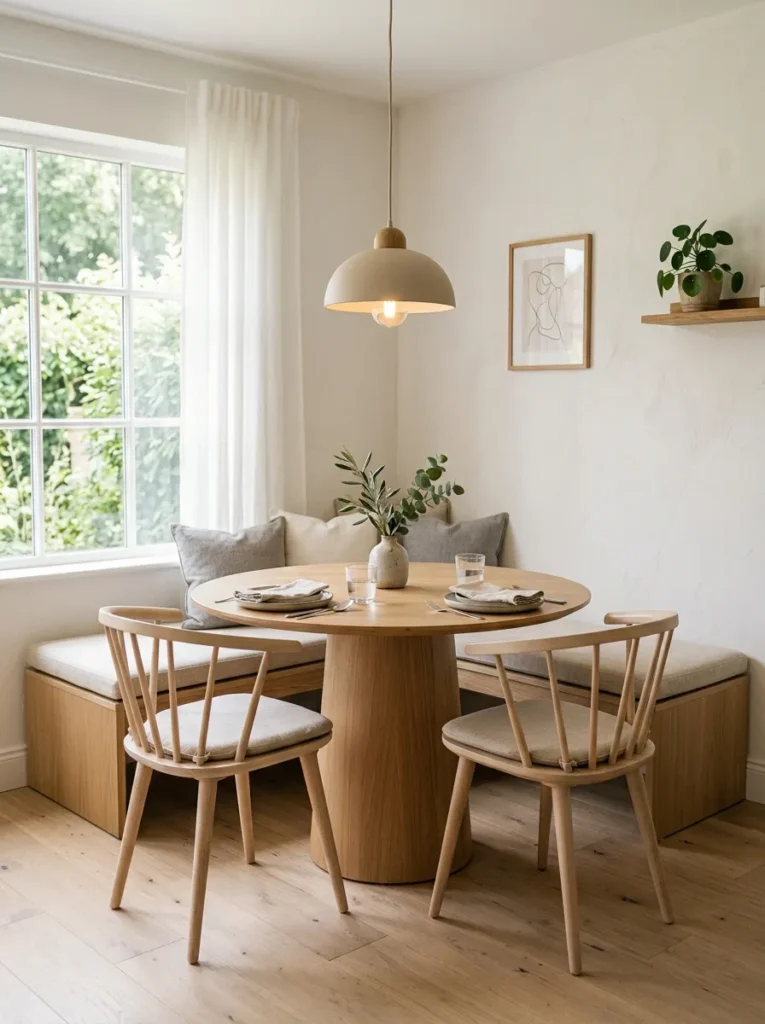
- A backless bench creates a lighter visual profile in a compact corner.
- The seating can slide completely beneath the table when extra floor space is needed.
- Simple cushions add comfort without making the furniture look bulky.
- The open design works especially well in modern and minimalist interiors.
A backless bench is a smart choice when you want seating that feels useful without visually enclosing the corner. Its low profile keeps the walls and surrounding space open, while the bench can slide neatly beneath the table when you need additional walking room. This makes it particularly effective in narrow kitchens, apartments, and open-plan layouts where furniture must work around other activities. Choose a cushion that fits the bench closely, then keep the table shape simple. The result is comfortable seating that occupies less visual space than a traditional dining chair.
Another advantage is flexibility. A backless bench can serve several people during meals, then move easily when the room needs to accommodate cleaning, entertaining, or another activity. I’ve noticed that this style works especially well with pedestal tables because the lack of a table-leg cluster keeps the whole arrangement visually clean. Natural wood, cream fabric, and soft neutral walls create a bright foundation, while one or two textured cushions add warmth. It is a practical solution for making a small dining area feel open, uncluttered, and easy to adapt.
Banquette With Round Table
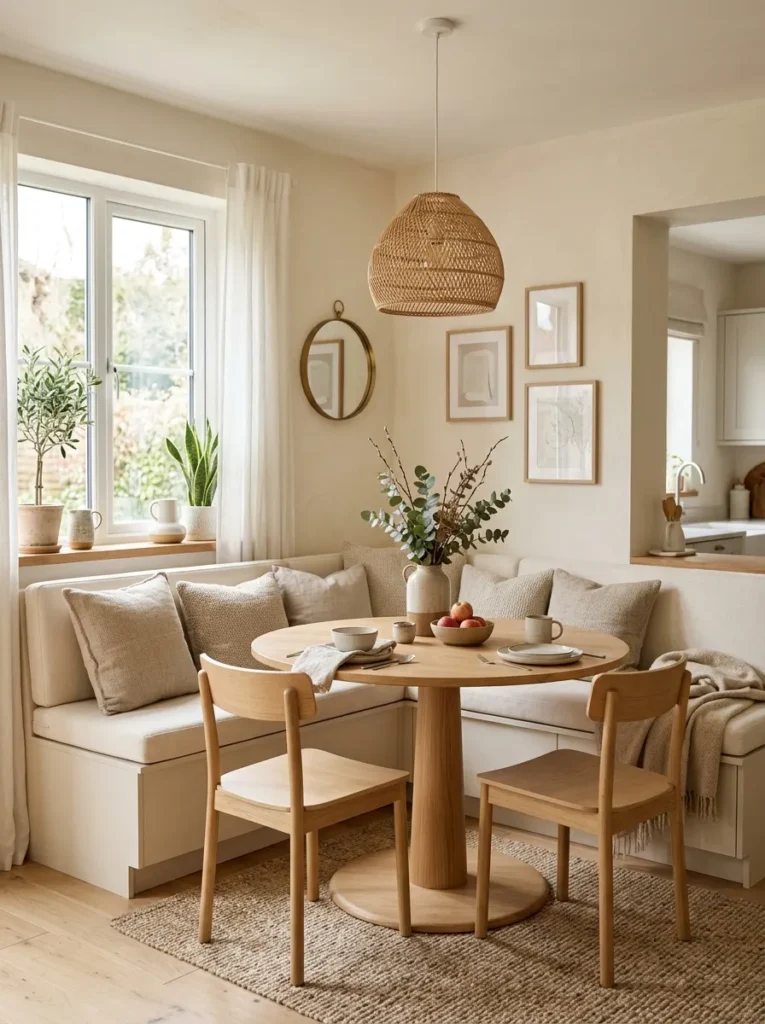
- A round table pairs naturally with curved banquette seating and softens the corner.
- The circular shape makes conversation easier between everyone seated around it.
- A compact pedestal base provides useful legroom and reduces visual clutter.
- Cushioned upholstery adds comfort while creating a polished built-in appearance.
A round table can make banquette seating feel more spacious because its curved edge eliminates the sharp corners created by a rectangular tabletop. This is particularly useful when the dining area sits close to a walkway or another piece of furniture. People can move around the table more naturally, while the circular shape encourages comfortable conversation. A pedestal base adds even more flexibility by leaving clear space beneath the tabletop. Together, these elements create an arrangement that feels compact without looking cramped, making it a strong choice for everyday meals in smaller homes.
The seating can remain simple because the curved table already provides a distinctive shape. Choose a neutral upholstered banquette and add a few washable cushions for texture and comfort. In my experience, warm wood works beautifully here because it balances the softness of the fabric and prevents the corner from feeling too formal. Keep the surrounding walls light and use a single pendant above the table to establish visual focus. This combination creates a welcoming dining zone while preserving enough open space for movement around the furniture.
Minimalist Corner Dining
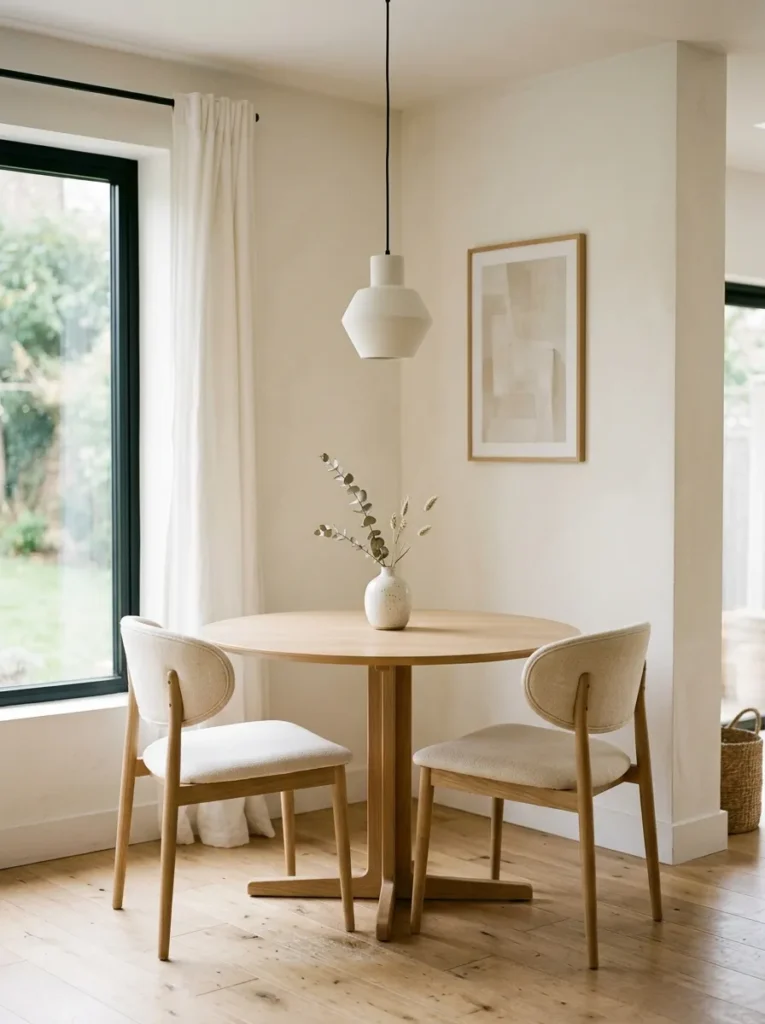
- Clean-lined furniture keeps a compact corner from feeling visually crowded.
- A small table and two streamlined chairs provide everything needed for everyday meals.
- Neutral colors make the area feel brighter and more spacious.
- Limiting decorative pieces lets the architecture and furniture remain the focus.
Sometimes the most effective small-space solution is simply using less. A minimalist dining corner relies on carefully chosen furniture rather than multiple decorative pieces, allowing the available floor area to remain visually open. A compact round table, two slim chairs, and one well-placed light fixture can provide everything needed for everyday dining. This approach is especially useful when the corner is close to a kitchen or living room because the furniture does not compete with surrounding functions. Keeping the palette light also helps boundaries between the dining area and neighboring spaces feel less noticeable.
Minimalism does not mean the space has to feel cold or unfinished. Natural wood, textured upholstery, woven materials, and warm lighting can introduce plenty of character while keeping the arrangement restrained. I’ve noticed that small rooms often look more expensive when surfaces are edited carefully rather than filled with accessories. Choose one centerpiece, one piece of wall art, or a small plant instead of several decorations. With clear surfaces and coordinated materials, the dining corner becomes calm, practical, and visually spacious without sacrificing warmth or personality.
Corner Dining With Pendant
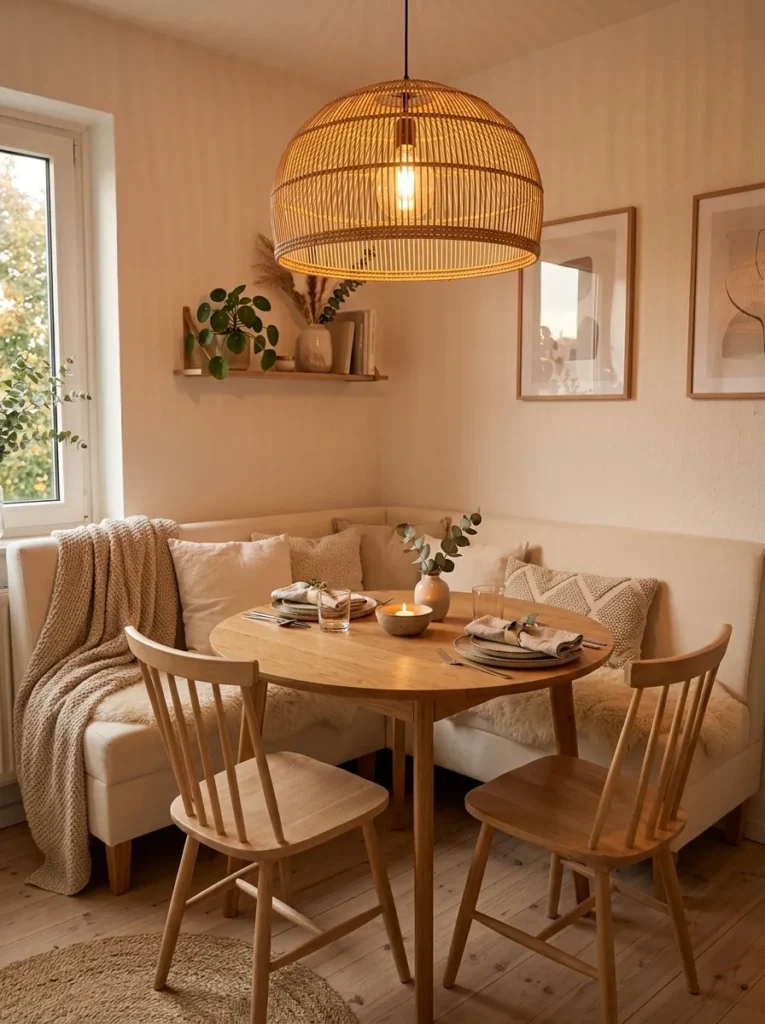
- A pendant light visually anchors the table and defines the dining zone.
- Hanging the fixture directly above the table adds warmth without using floor space.
- A compact table keeps the corner functional and easy to navigate.
- Warm bulbs create a cozy atmosphere for evening meals and casual gatherings.
A well-positioned pendant can make a small dining corner feel like a deliberately designed part of the home rather than furniture squeezed into leftover space. Hanging the fixture directly above the table creates a clear visual boundary and gives the seating arrangement a natural focal point. This is especially helpful in open-plan rooms where the dining area needs definition without walls or bulky partitions. Choose a fixture that suits the table’s proportions, keeping oversized designs for rooms with enough ceiling height and opting for a smaller shade when the corner is especially tight.
Lighting also changes how the space feels throughout the day. Bright natural light keeps the area fresh during breakfast, while a warm pendant creates a more intimate atmosphere after sunset. I’ve noticed that woven shades, frosted glass, and simple fabric pendants work beautifully in compact dining areas because they provide texture without dominating the room. Keep the table decor minimal so the light remains the main feature. A small centerpiece, comfortable cushions, and coordinated wood tones can complete the corner while keeping the overall design balanced and inviting.
Foldable Dining Chairs
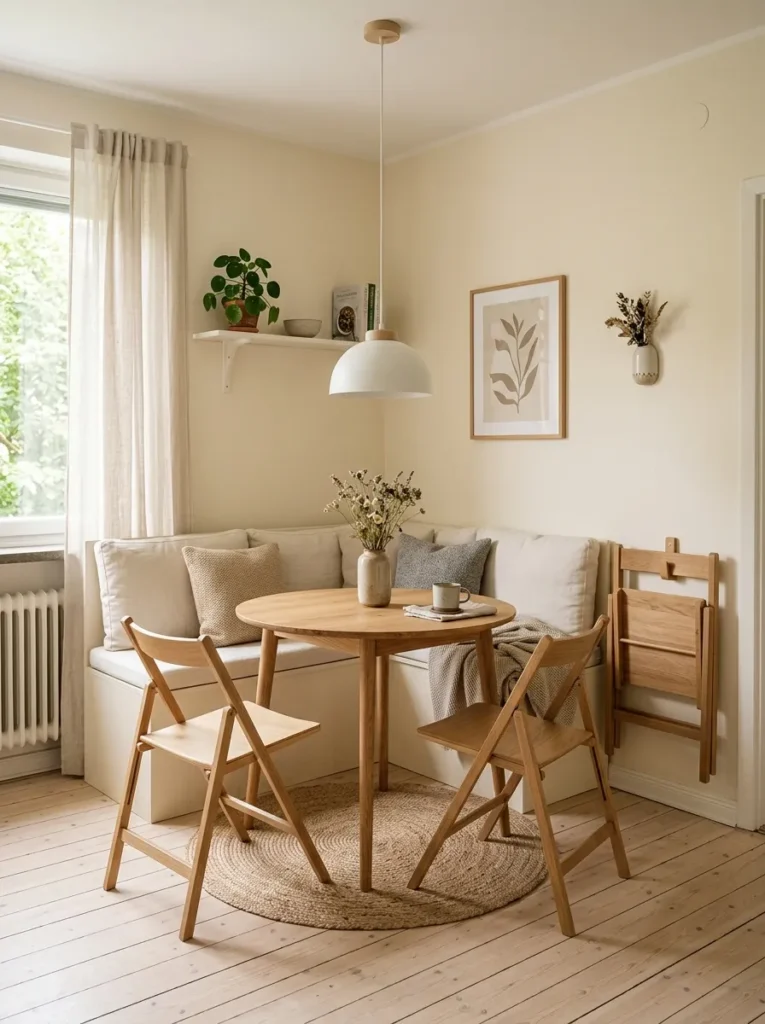
- Folding chairs provide seating without permanently occupying valuable floor space.
- Lightweight designs can be stored against a wall or inside a nearby cabinet.
- Choose wood or upholstered finishes that complement the main table.
- Keeping extra chairs available makes the corner more flexible for guests.
Foldable chairs are a practical solution when a dining corner needs to accommodate different numbers of people throughout the day. Keep two chairs available for everyday meals, then bring out additional folding seats when friends or family visit. Afterward, they can be folded flat and stored against a wall, inside a closet, or in another convenient area. This prevents extra furniture from permanently occupying the limited floor space around the table. The result is a dining arrangement that can expand when necessary and return to a more open footprint afterward.
Look for folding chairs with sturdy frames, comfortable seat proportions, and a finish that complements your existing furniture. Wooden versions add warmth, while upholstered models can provide more comfort for longer meals. In my experience, storage becomes much easier when the chairs have a slim folded profile and a consistent appearance. You can even display one or two attractive folding chairs as part of the room instead of hiding every spare seat. Combined with a compact table or bench, they make a small dining area considerably more adaptable.
Dining Nook With Mirror
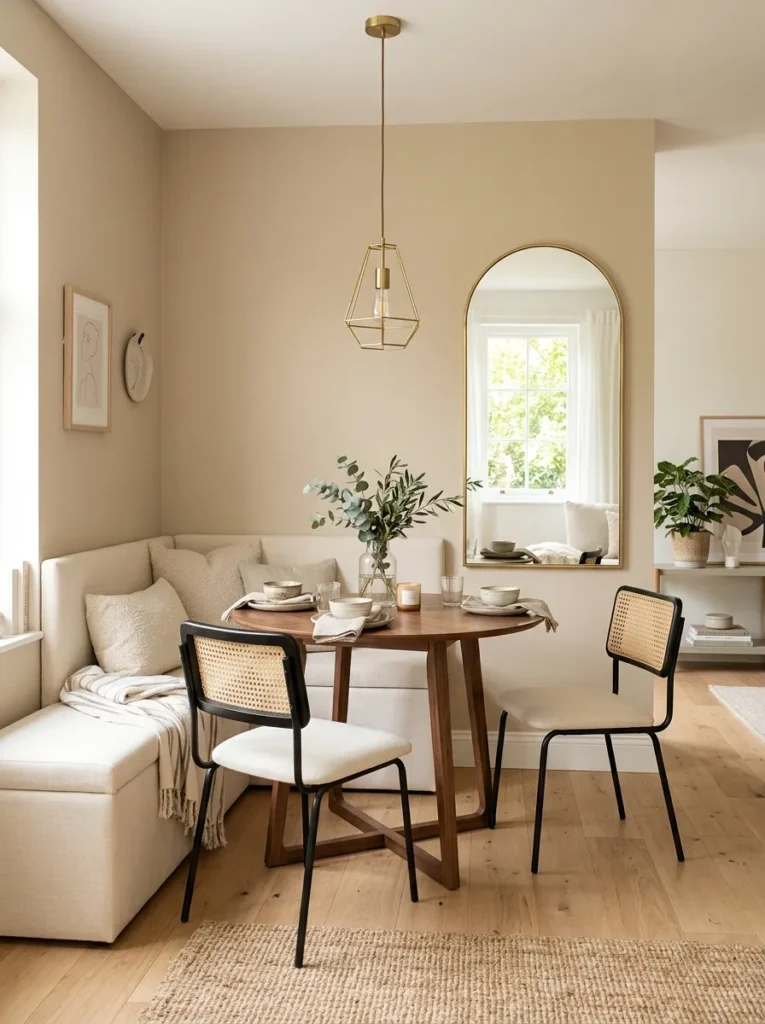
- A strategically placed mirror reflects light and makes the corner feel more open.
- A large vertical mirror can visually extend a narrow wall.
- Keep the frame simple so the reflection remains the main feature.
- Position the mirror to reflect a window, light fixture, or attractive part of the room.
A mirror can make a compact dining corner appear noticeably brighter and more spacious by reflecting light and creating additional visual depth. Instead of leaving a plain wall behind the table, use a large mirror to extend the room’s sightline and reflect a window, pendant, or attractive section of the interior. This works particularly well in apartments and narrow dining areas where adding another piece of furniture would make circulation difficult. Choose a mirror with proportions that suit the wall, rather than simply selecting the largest option available.
Placement matters more than decoration. A mirror should reflect something attractive or useful, such as natural light, greenery, or a well-styled part of the room. I’ve noticed that arched and softly rounded mirrors pair especially well with compact dining furniture because their curves balance the straight lines of tables and benches. Keep the surrounding wall relatively simple so the reflection does not become visually chaotic. With warm wood, neutral upholstery, and thoughtful lighting, the mirror can make the entire corner feel brighter, deeper, and more polished.
Extendable Dining Table
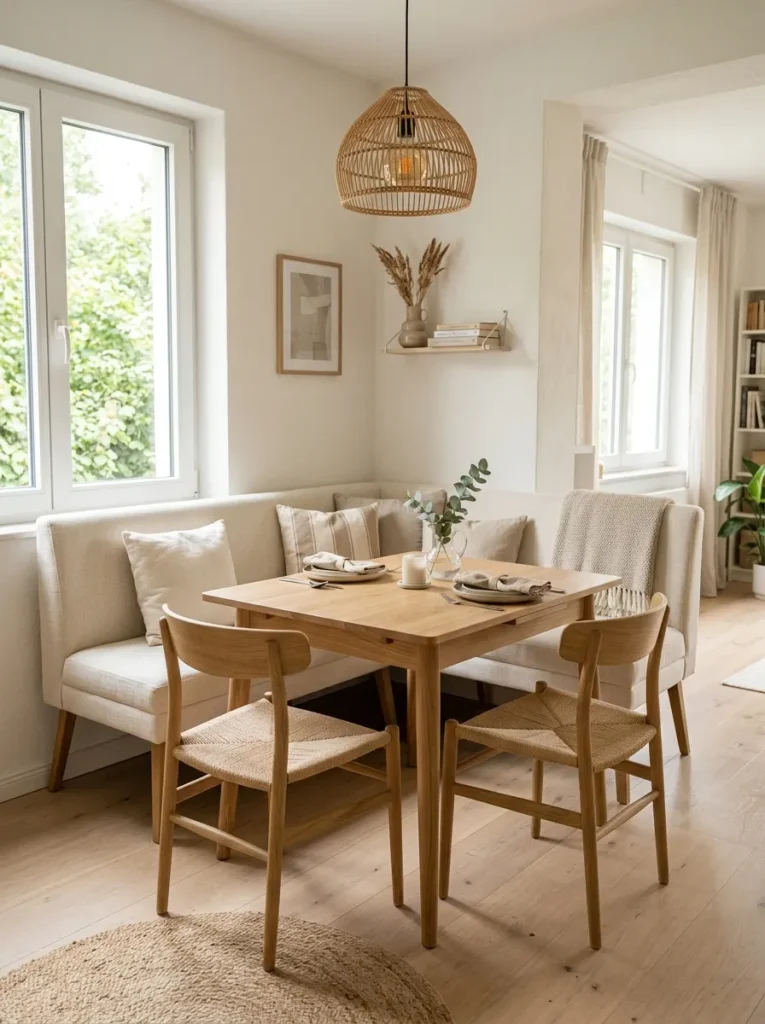
- An extendable table provides a compact everyday footprint with extra capacity when guests arrive.
- Keep the table closed most of the time to preserve walking space.
- Choose a simple mechanism that is easy to open without moving the entire setup.
- Slim chairs can remain tucked away until additional seating is needed.
An extendable table gives a small dining area flexibility without requiring a permanently large piece of furniture. Keep the tabletop in its compact position for everyday breakfasts, lunches, or quick meals, then extend it when guests arrive. This approach works especially well when the dining corner is close to a kitchen walkway because the smaller footprint preserves circulation most of the time. Choose a table with a straightforward extension mechanism and enough clearance around it to open comfortably. A light finish can also keep the furniture from visually dominating the corner.
The surrounding seating should support the table’s flexibility. A built-in bench can provide everyday seating while one or two lightweight chairs remain available for larger gatherings. In my experience, this arrangement is particularly useful for homes where entertaining happens occasionally rather than every day. Keep the tabletop mostly clear so extending it does not require a major rearrangement. Once expanded, add simple place settings and a small centerpiece. When the meal is finished, return the table to its compact size and immediately regain the valuable floor space around the dining area.
Conclusion
A small dining area doesn’t have to feel like a limitation. With the right furniture, thoughtful proportions, and smart use of corners, you can create a space that feels comfortable, functional, and beautifully designed. A corner dining nook can provide everything from everyday breakfast seating to flexible space for entertaining, while features like storage benches, mirrors, shelving, and layered lighting add even more value. I’ve seen how small changes like these can completely transform a room. Save this post on Pinterest for your next decorating project, try your favorite idea at home, and share it with someone who could use more dining space.