25 Popular Interior Design Styles to Transform Homes
Your dream home may be closer than you think. A few thoughtful design choices can completely change how your space feels. Popular interior design styles can help you discover the perfect look for every room, whether you want a cozy retreat, modern atmosphere, or timeless elegance.
This guide explores inspiring ideas that make decorating easier by showing different ways to improve colors, furniture, textures, and layouts. Many homeowners feel overwhelmed by endless choices, but seeing clear examples can make the process simple and enjoyable. I’ve noticed that small changes, like updating lighting or adding natural textures, often create the biggest visual impact. Explore these ideas to find inspiration that matches your lifestyle and personality.
Modern Minimalism
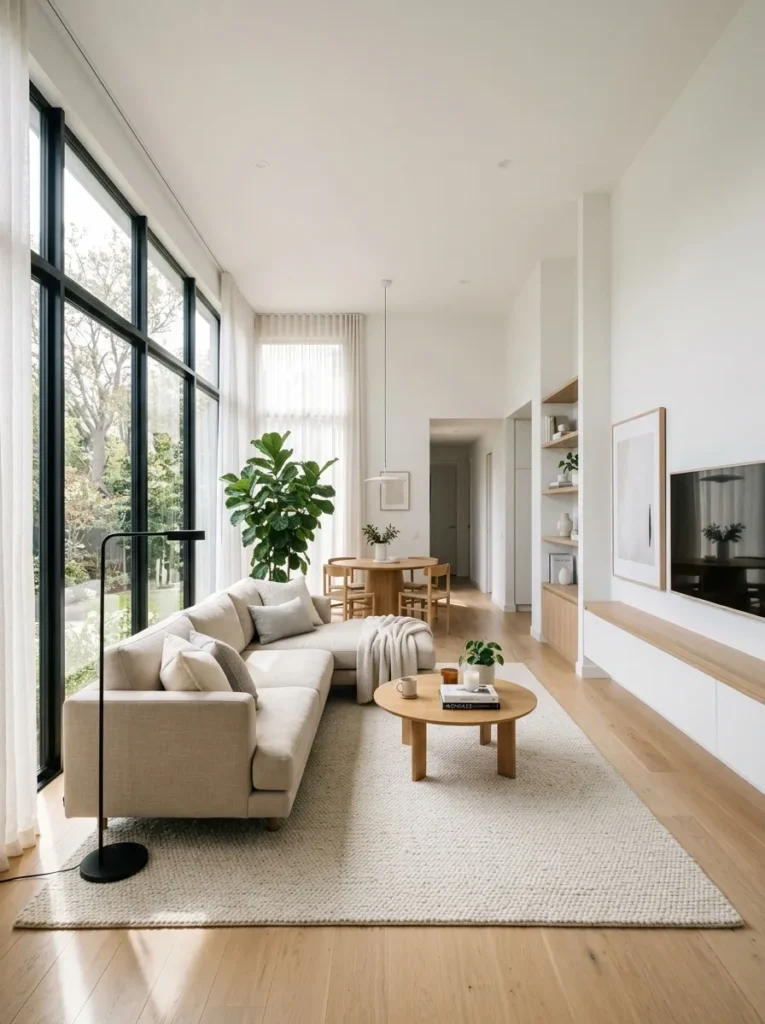
- Creates a cleaner and more spacious feeling in everyday rooms
- Helps reduce visual clutter through purposeful furniture choices
- Adds a calm atmosphere with neutral colors and simple textures
- Makes small spaces feel brighter and easier to maintain
A clutter-free room can instantly feel larger and more peaceful when every piece has a purpose and place. Modern minimalism focuses on balanced layouts, soft colors, and thoughtful furniture choices that create a relaxing atmosphere without feeling empty. I’ve noticed this approach works especially well in busy homes where people want easier maintenance and a calmer daily routine. Simple lighting, natural materials, and functional storage solutions help transform ordinary rooms into stylish spaces that look refined while remaining comfortable for everyday living. The result is a home that feels organized, inviting and visually balanced.
Among popular interior design styles, this look stands out because it combines beauty with practicality. The neutral palette creates flexibility, allowing homeowners to add seasonal accents or personal items without overwhelming the space. Designers often recommend focusing on quality over quantity, choosing fewer pieces that offer comfort and character. From my experience, a minimalist room feels more welcoming when warm wood, soft fabrics, and natural greenery are included. These details prevent the design from appearing cold while keeping the clean, modern appearance many homeowners admire today throughout the entire home.
Scandinavian Comfort
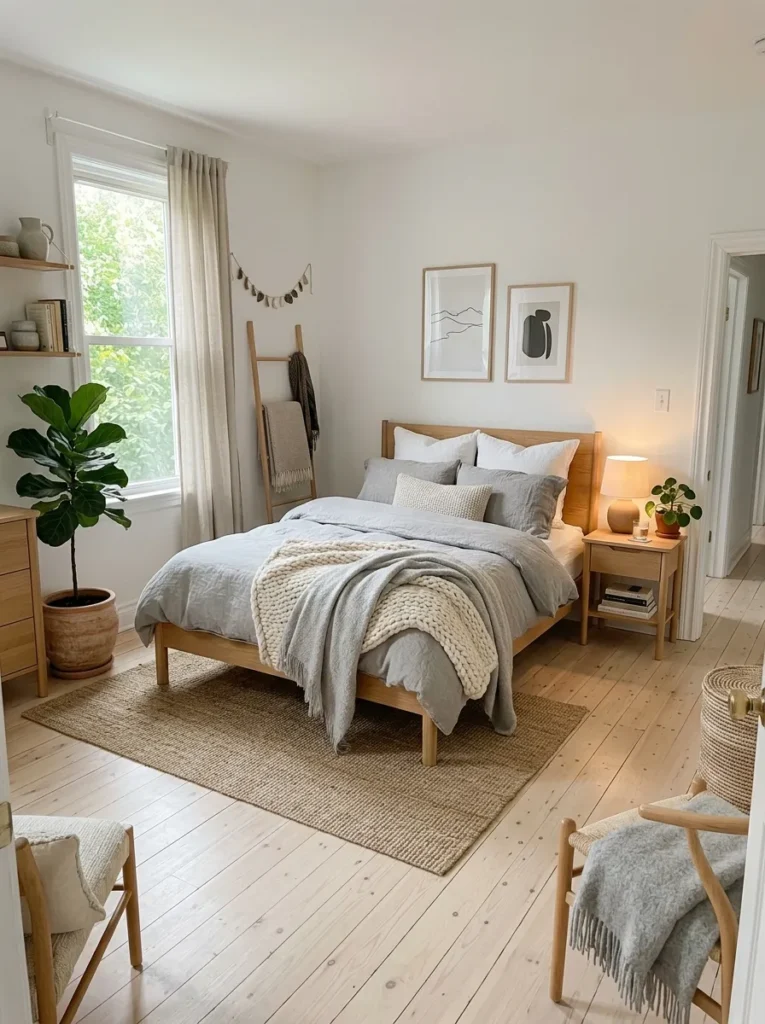
- Adds warmth while keeping the room visually simple
- Uses soft textures to create a cozy and relaxing mood
- Improves natural light with bright colors and open layouts
- Works beautifully for comfortable bedrooms and peaceful living areas
Soft textures and natural tones can make a room feel instantly more comfortable and welcoming without adding visual clutter. Scandinavian design brings together simplicity, warmth, and function through light colors, practical furniture, and cozy decorative layers. I’ve seen this style work beautifully in smaller homes because it creates an open feeling while still adding personality. Wooden elements, soft fabrics, and smart layouts help every corner feel intentional and relaxing. This approach is ideal for anyone wanting a peaceful home environment that looks fresh and feels easy to live in daily.
This design idea is often chosen by homeowners searching for popular interior design styles that feel timeless rather than trendy. The beauty of Scandinavian spaces comes from their ability to balance simplicity with warmth using thoughtful details like candles, plants, and handmade accents. In my experience, adding layers of texture is the easiest way to stop a simple room from feeling plain. A soft rug, a woven blanket, and natural wood accessories can create a welcoming atmosphere while keeping the overall design clean and visually soothing for everyday family life.
Modern Farmhouse
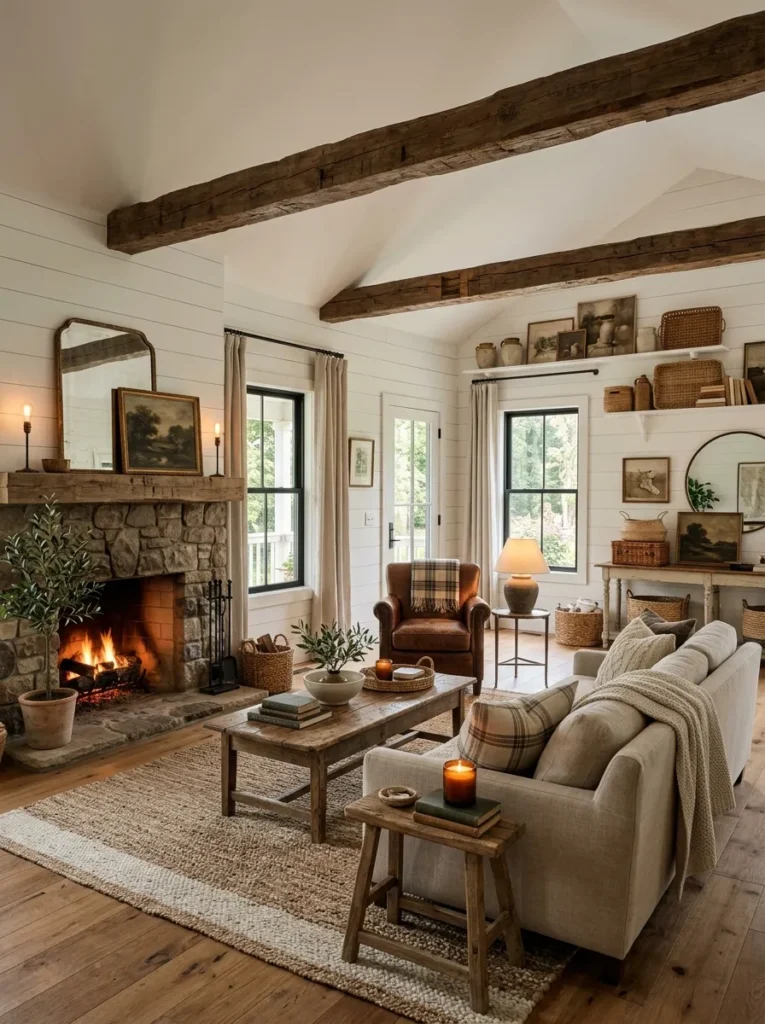
- Blends rustic character with modern comfort
- Creates a welcoming gathering space for families and guests
- Adds warmth through wood, textiles, and natural materials
- Gives traditional homes a fresh and updated appearance
Rustic charm becomes more appealing when it is mixed with modern comfort and practical layouts for everyday living. Modern farmhouse design combines natural materials, neutral shades, and cozy details to create spaces that feel relaxed yet polished. I’ve noticed this style works well for families who want character without sacrificing convenience. Wood finishes, comfortable seating, and handmade accents add warmth while keeping the room visually fresh. These elements help transform plain areas into inviting spaces where people naturally gather and spend more quality time together throughout the day at home.
Many homeowners love this look because it offers a balanced option among popular interior design styles by blending old and new features beautifully. The style allows you to use reclaimed wood, soft fabrics, and simple decorations while maintaining a modern appearance. That’s why many designers recommend farmhouse-inspired touches for creating a welcoming atmosphere with a comfortable feeling and personal connection. Small upgrades like wooden shelves, woven storage, and warm lighting can make rooms feel thoughtfully designed rather than overly decorated. This approach brings lasting style and practical beauty indoors.
Bohemian Layers
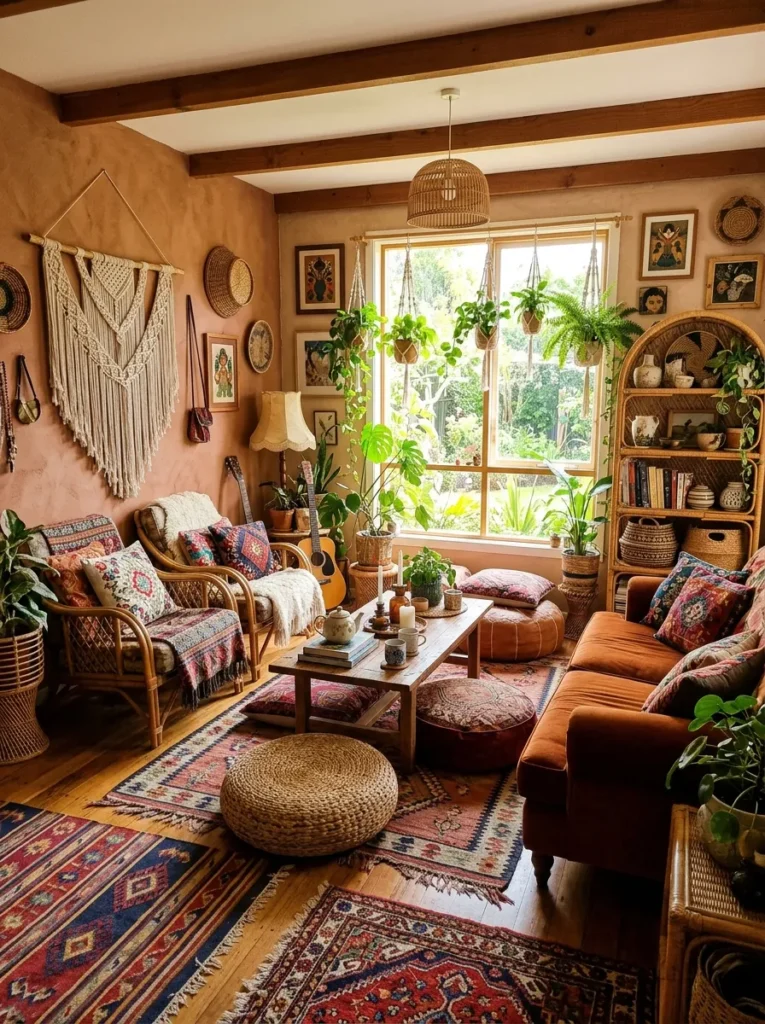
- Adds personality through colors, patterns, and meaningful decor
- Creates a relaxed space that feels collected over time
- Uses plants and natural materials for an organic touch
- Helps plain rooms feel creative and visually interesting
A room filled with layers, textures, and personal details can instantly feel more alive and expressive. Bohemian design celebrates creativity by combining different patterns, natural materials, and collected pieces that reflect individual personality. This approach works beautifully for people who prefer homes that feel unique instead of perfectly matched. I’ve noticed that adding woven baskets, cozy fabrics, and greenery can completely change the energy of a space. The style encourages freedom and flexibility, allowing homeowners to experiment with colors and decorations while still maintaining a comfortable and inviting environment for daily living.
Bohemian interiors are among the popular interior design styles because they offer endless opportunities for personalization and artistic expression. Instead of following strict rules, this style focuses on creating a space that feels authentic and welcoming. Many designers suggest starting with a neutral base and adding colorful textiles, handmade items, and natural elements gradually. In my experience, the best bohemian rooms are not created overnight but develop through meaningful additions over time. This makes the home feel more connected, creative, and reflective of the people who live there.
Industrial Loft
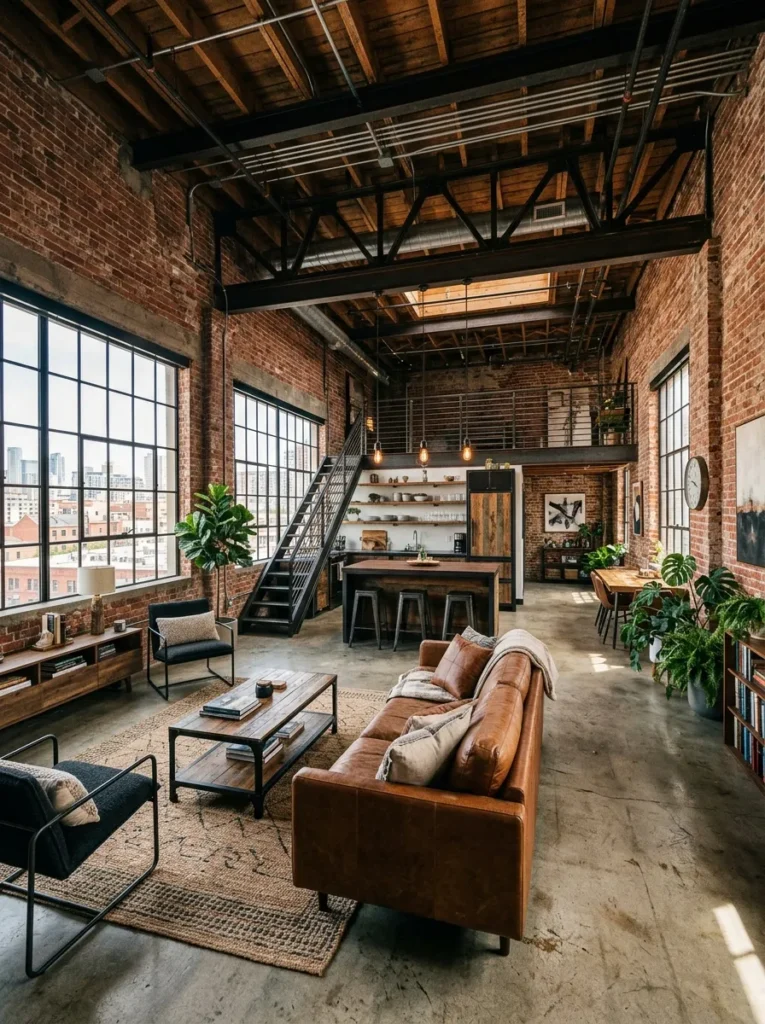
- Brings a bold and urban personality to interiors
- Highlights architectural details like brick and metal finishes
- Creates open spaces with practical furniture arrangements
- Adds contrast through rough textures and warm accents
Raw materials can create a surprisingly warm and stylish atmosphere when balanced with comfortable furnishings and thoughtful lighting. Industrial loft design uses exposed brick, metal details, wood textures, and open layouts to create a modern urban feeling. I’ve seen this style transform ordinary rooms by highlighting structural features instead of hiding them. Large windows, simple furniture, and statement lighting help the space feel spacious and intentional. The combination of rugged surfaces with cozy elements creates a unique balance that feels both artistic and practical for modern homeowners who enjoy distinctive interiors.
This design approach works well for anyone wanting a dramatic yet functional home style with strong visual character. Industrial spaces often use fewer decorative pieces, allowing materials and architecture to become the main attraction. Designers frequently recommend adding soft textiles, plants, or warm lighting to make the room feel more comfortable. I’ve noticed that even small industrial touches, such as metal shelves or exposed fixtures, can create a stylish impact without requiring a complete renovation. This makes the style accessible for apartments, homes, and creative workspaces.
Japandi Harmony
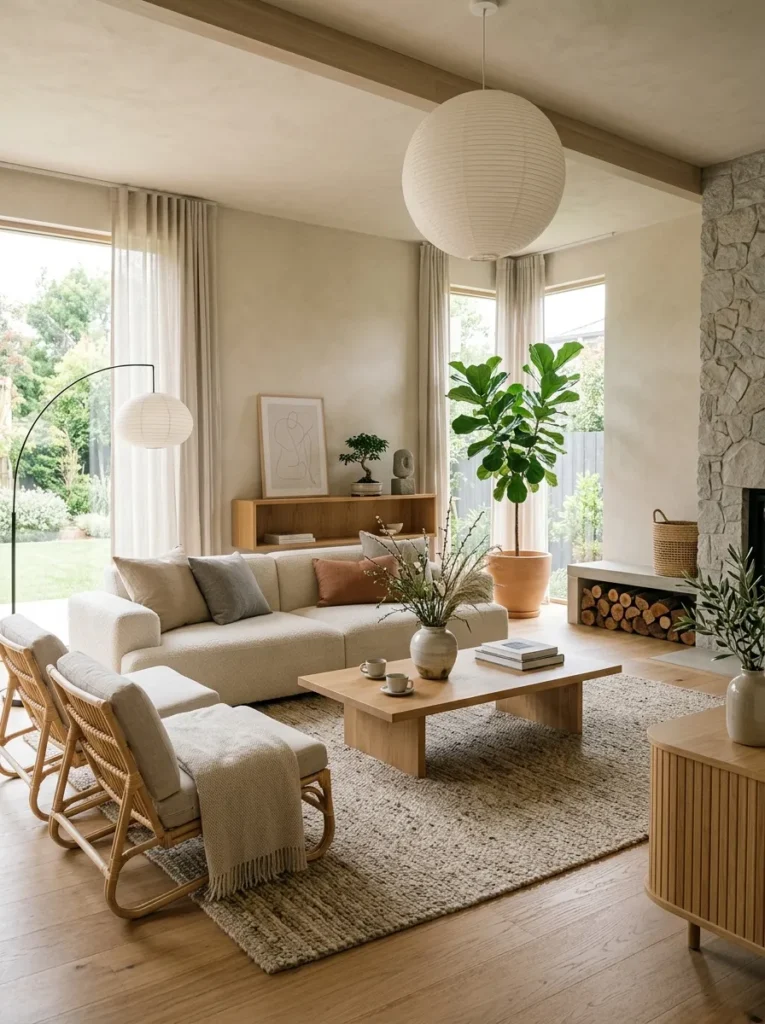
- Combines simplicity with cozy natural elements
- Creates peaceful spaces with balanced furniture placement
- Encourages mindful decorating with fewer meaningful pieces
- Makes rooms feel calm, organized, and timeless
A peaceful home often begins with thoughtful choices rather than excessive decoration. Japandi design blends Japanese minimalism with Scandinavian comfort to create spaces that feel balanced, natural, and calming. This style focuses on clean lines, soft colors, and carefully selected furniture that supports everyday living. I’ve noticed this approach works especially well for people who want their homes to feel relaxing after a busy day. Natural wood, simple shapes, and gentle textures create harmony while keeping rooms functional. The result is an interior that feels elegant, comfortable, and connected to nature.
Japandi has become a favorite among modern homeowners exploring popular interior design styles because it offers both beauty and practicality. The design avoids unnecessary clutter while still creating warmth through organic materials and cozy details. Many experts recommend choosing quality furniture, neutral tones, and natural decorations to achieve this peaceful appearance. In my experience, the easiest way to bring Japandi style into a home is by simplifying the space first and then adding thoughtful accents. This creates rooms that feel spacious, intentional, and easy to enjoy every day.
Coastal Retreat
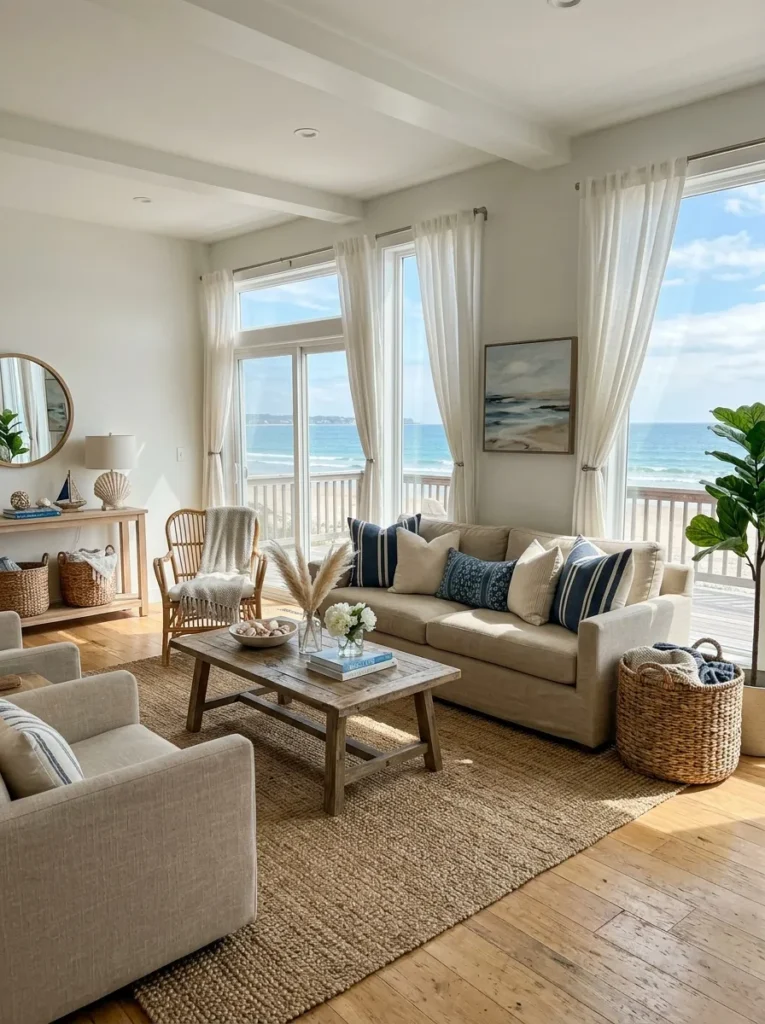
- Brings a fresh and relaxing beach-inspired feeling indoors
- Uses light colors to make rooms appear brighter
- Adds natural textures through wood, linen, and woven decor
- Creates an open atmosphere that feels peaceful and comfortable
A light and breezy room can instantly make your home feel more relaxed and refreshing. Coastal design captures the beauty of seaside living through soft colors, natural materials, and comfortable layouts. This style works well because it focuses on creating open, bright spaces that feel easy to enjoy every day. I’ve noticed that simple additions like linen curtains, woven baskets, and blue accents can completely change a room’s mood. The combination of airy fabrics and natural textures creates a peaceful environment that feels welcoming without looking overly themed or decorated.
Coastal interiors are often included among popular interior design styles because they create a timeless connection with nature and comfort. The design does not require living near the ocean; small details can bring the same relaxed feeling anywhere. Many designers recommend using neutral backgrounds with subtle coastal accents to maintain a sophisticated look. In my experience, balancing soft colors with wooden elements prevents the room from feeling too plain. This approach creates a bright, comfortable home where every space feels fresh, organized, and naturally inviting throughout the year.
Mid-Century Modern
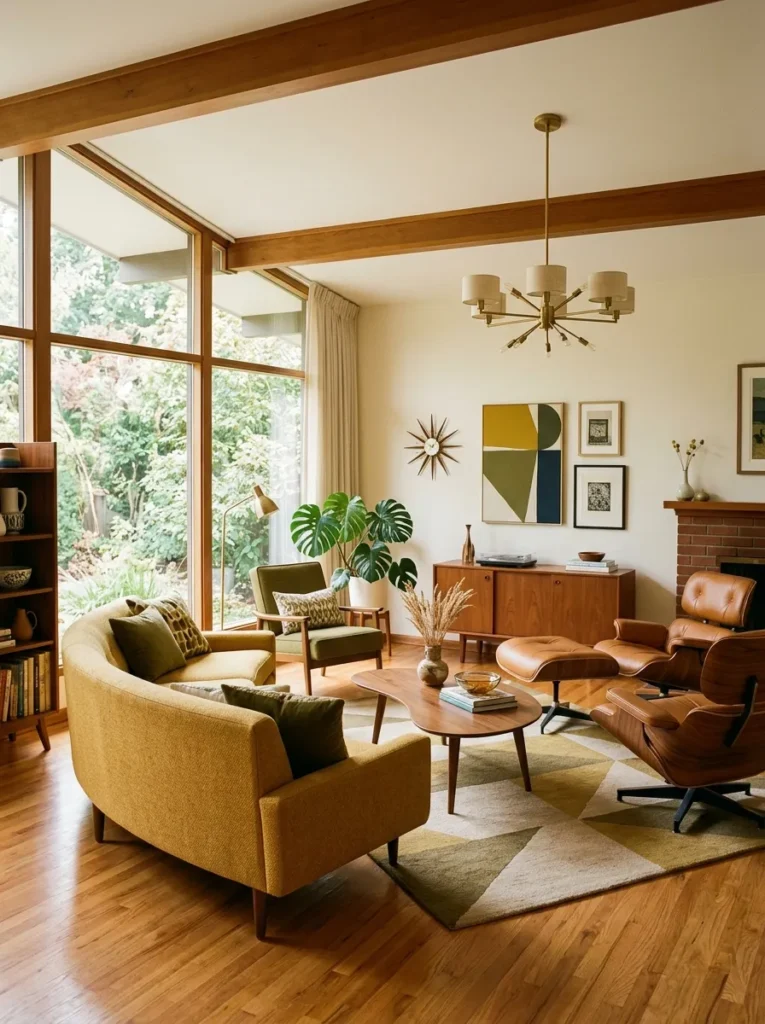
- Adds timeless character with vintage-inspired furniture
- Creates a balance between style and everyday function
- Uses simple shapes for a clean visual appearance
- Brings warmth through wood tones and unique accents
Classic design choices often remain popular because they combine beauty with practical living. Mid-century modern style focuses on clean shapes, functional furniture, and warm materials that create a stylish yet comfortable home. This approach became known for its simple forms and thoughtful details, making it suitable for both modern and traditional spaces. I’ve seen this style work especially well in living rooms where homeowners want personality without excessive decoration. Wooden furniture, geometric patterns, and carefully chosen colors create a balanced look that feels sophisticated while remaining welcoming for everyday activities.
Among popular interior design styles, mid-century modern continues to attract attention because its furniture and layouts feel both nostalgic and current. The style allows homeowners to add statement pieces while keeping the overall room organized and functional. Designers often recommend focusing on quality materials, natural wood finishes, and iconic shapes to create an authentic appearance. I’ve noticed that even one retro-inspired chair or lighting fixture can add visual interest to a simple room. This makes the style flexible for different budgets while still delivering a refined and memorable interior.
Traditional Elegance
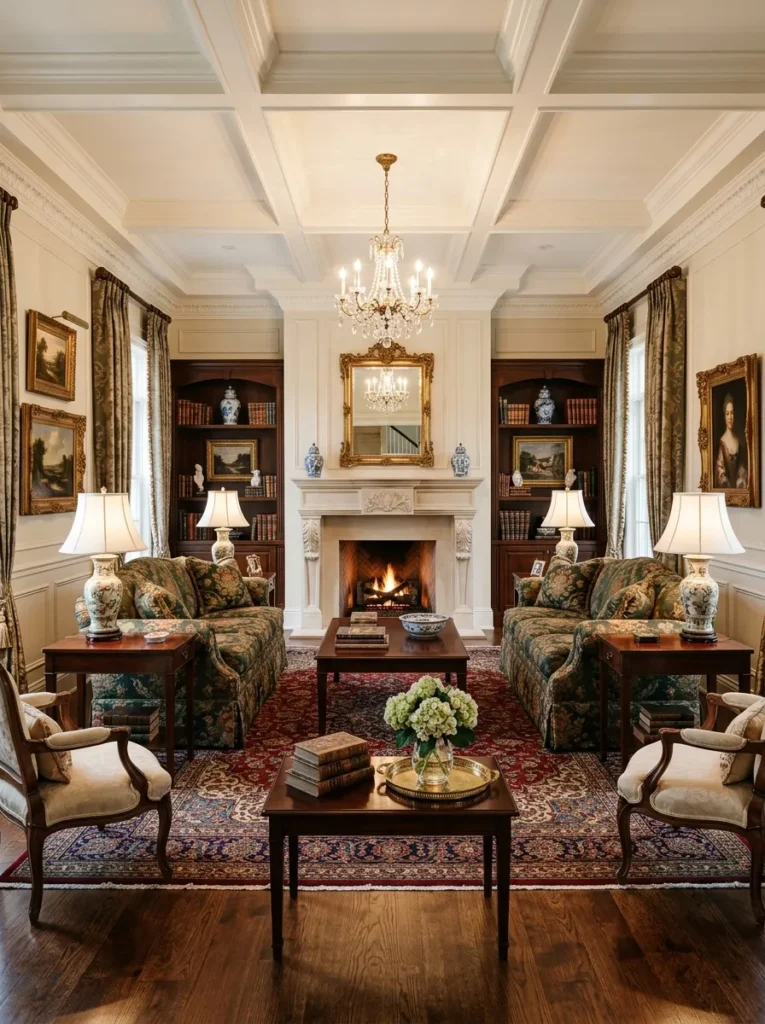
- Creates a refined and timeless home appearance
- Adds sophistication through classic furniture and details
- Uses symmetry to make rooms feel organized
- Brings warmth through rich materials and elegant accents
Timeless beauty often comes from designs that focus on balance, comfort, and carefully chosen details. Traditional interiors create a graceful atmosphere through classic furniture, elegant fabrics, and symmetrical arrangements. This style works well for homeowners who appreciate sophistication and a sense of history in their spaces. I’ve noticed that traditional rooms feel more inviting when they combine formal elements with comfortable seating and personal decorations. Features like wood finishes, artwork, and layered lighting help create depth while maintaining a polished appearance that feels welcoming rather than outdated.
Traditional design remains one of the enduring popular interior design styles because it adapts well to changing trends while keeping its classic appeal. The key is creating a balance between decorative details and modern functionality. Many designers recommend using timeless pieces alongside updated colors or practical storage solutions for a fresher look. In my experience, traditional spaces feel most beautiful when they reflect the homeowner’s personality instead of simply copying old designs. Thoughtful furniture placement, quality materials, and meaningful accessories can create a home that feels elegant for many years.
Contemporary Style
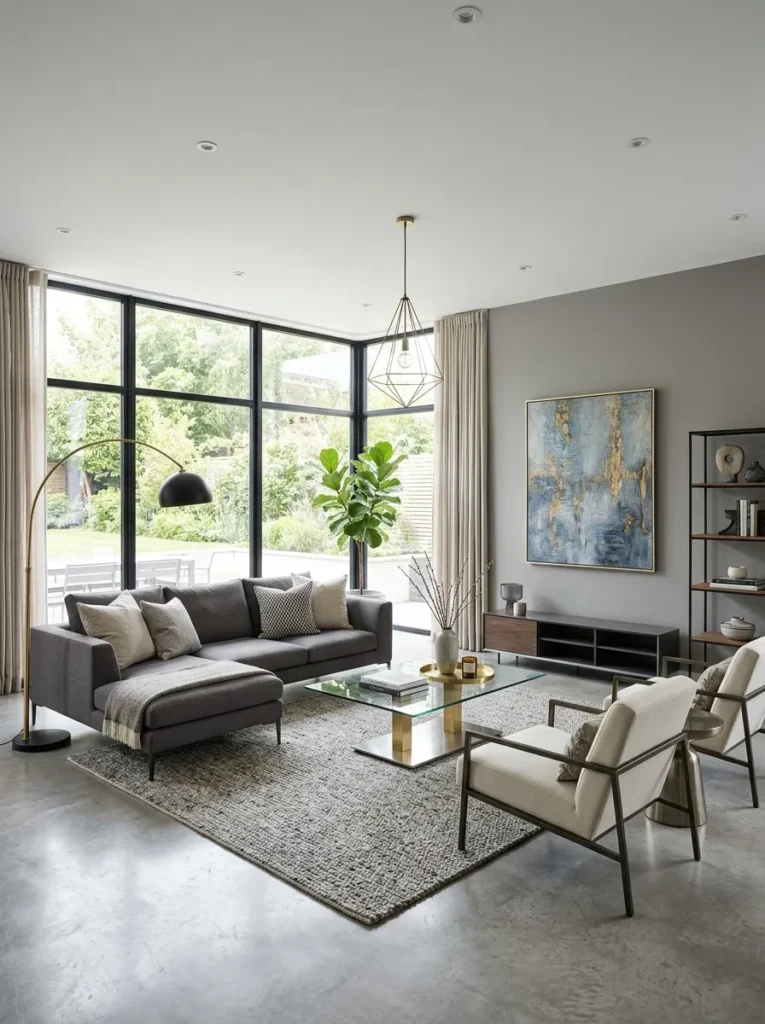
- Creates a fresh and updated appearance in modern homes
- Uses clean lines for a neat and organized look
- Adds flexibility through neutral colors and simple decor
- Balances comfort with stylish visual details
A fresh-looking home does not always need dramatic changes; sometimes simple updates create the biggest impact. Contemporary design focuses on current trends, clean layouts, and comfortable furniture that feels modern without becoming overly complicated. This style works well for homeowners who enjoy a polished appearance with practical features. I’ve noticed that using neutral colors, smooth surfaces, and carefully selected accessories can make rooms feel more spacious and organized. The beauty of this approach comes from its flexibility, allowing spaces to evolve naturally as preferences and design trends change over time.
Contemporary interiors are frequently chosen among popular interior design styles because they combine modern elegance with everyday comfort. Unlike styles based on strict historical rules, contemporary design changes with current lifestyles and needs. Designers often recommend mixing textures, adding statement lighting, and keeping decorations intentional for a balanced result. In my experience, the best contemporary spaces avoid feeling empty by including soft fabrics, plants, or artwork that add personality. This creates a home that feels stylish, functional, and comfortable while maintaining a clean visual appearance.
French Country Charm
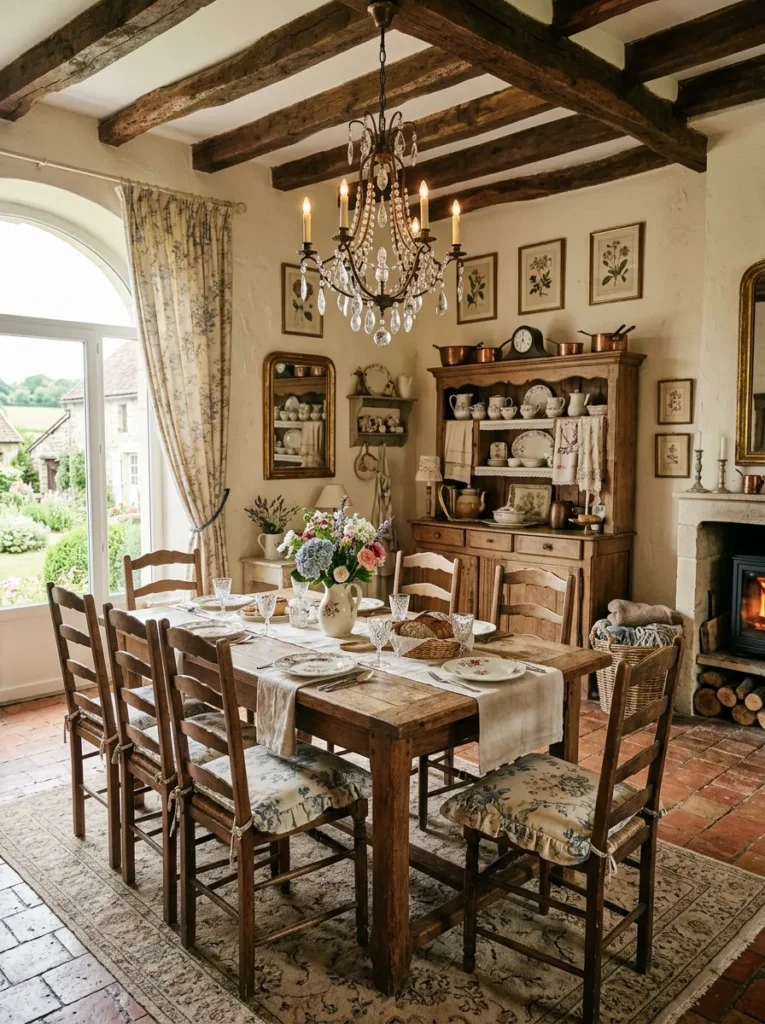
- Adds romantic character with vintage-inspired details
- Creates a cozy atmosphere using soft textures
- Combines elegance with relaxed everyday comfort
- Brings warmth through natural materials and gentle colors
Elegant details can make a home feel charming without making it feel overly formal. French country design blends rustic comfort with graceful touches, creating spaces that feel warm, relaxed, and timeless. This style uses soft colors, aged finishes, natural fabrics, and classic decorative elements to create a welcoming atmosphere. I’ve noticed that small additions like vintage mirrors, linen curtains, or ceramic pieces can bring this look into a home without major renovations. The result is a space that feels personal, comfortable, and full of character while maintaining a refined appearance.
French country interiors remain popular because they offer a beautiful balance between sophistication and everyday living. This style works especially well for people who want homes that feel inviting rather than perfectly staged. Designers often suggest combining rustic furniture with delicate patterns and warm lighting to achieve an authentic look. In my experience, the charm comes from mixing old and new elements naturally instead of creating a room that feels like a museum. These thoughtful combinations help create interiors that feel peaceful, welcoming, and connected to simple living.
Art Deco Glamour
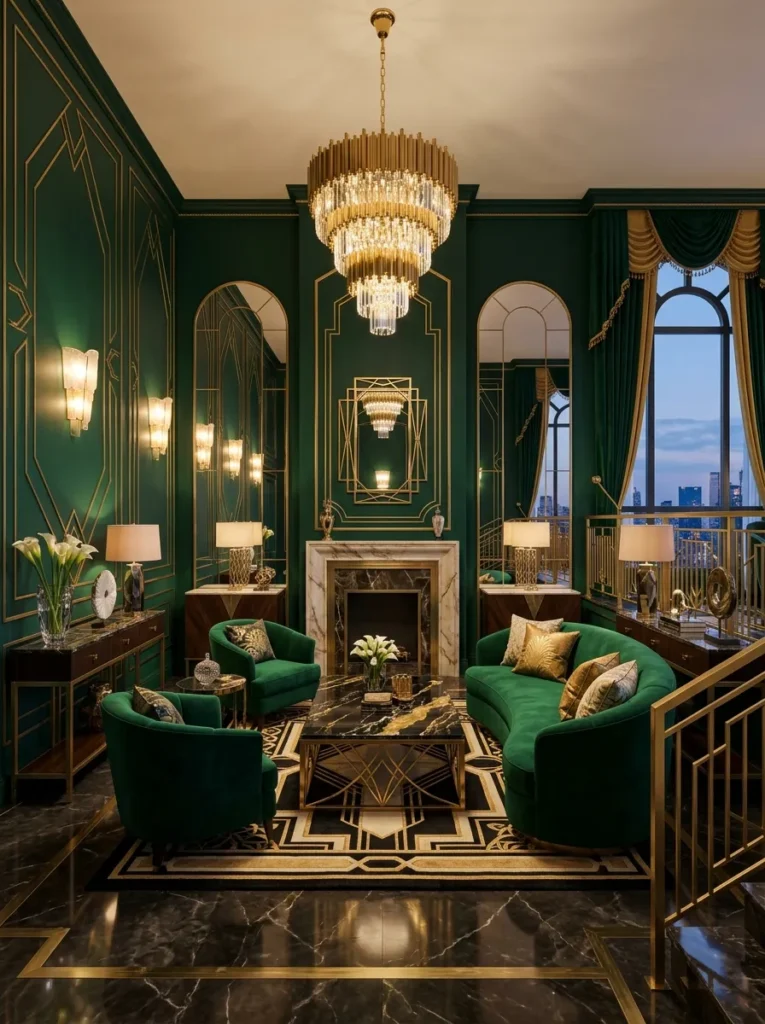
- Adds luxury through bold patterns and elegant materials
- Creates a statement space with dramatic visual details
- Uses symmetry for a polished and balanced appearance
- Brings sophistication through metallic and rich textures
A touch of glamour can completely transform an ordinary room into a memorable space. Art Deco design is known for bold patterns, luxurious materials, and striking details that create a sophisticated atmosphere. This style works beautifully for homeowners who enjoy expressive interiors with a strong visual identity. I’ve seen simple rooms become more impressive by adding elements like geometric mirrors, velvet fabrics, or metallic accessories. The key is using these features carefully so the room feels elegant rather than overwhelming. Balanced placement and thoughtful color choices create a refined and stylish environment.
Art Deco is one of the popular interior design styles for those who appreciate luxury, creativity, and dramatic design choices. The style celebrates craftsmanship through rich textures, symmetrical arrangements, and eye-catching decorative elements. Many designers recommend choosing one or two statement pieces instead of filling the entire room with bold accents. In my experience, a glamorous interior feels more comfortable when luxury details are combined with practical furniture and soft lighting. This creates a space that looks impressive while still feeling welcoming and functional for everyday use.
Rustic Warmth
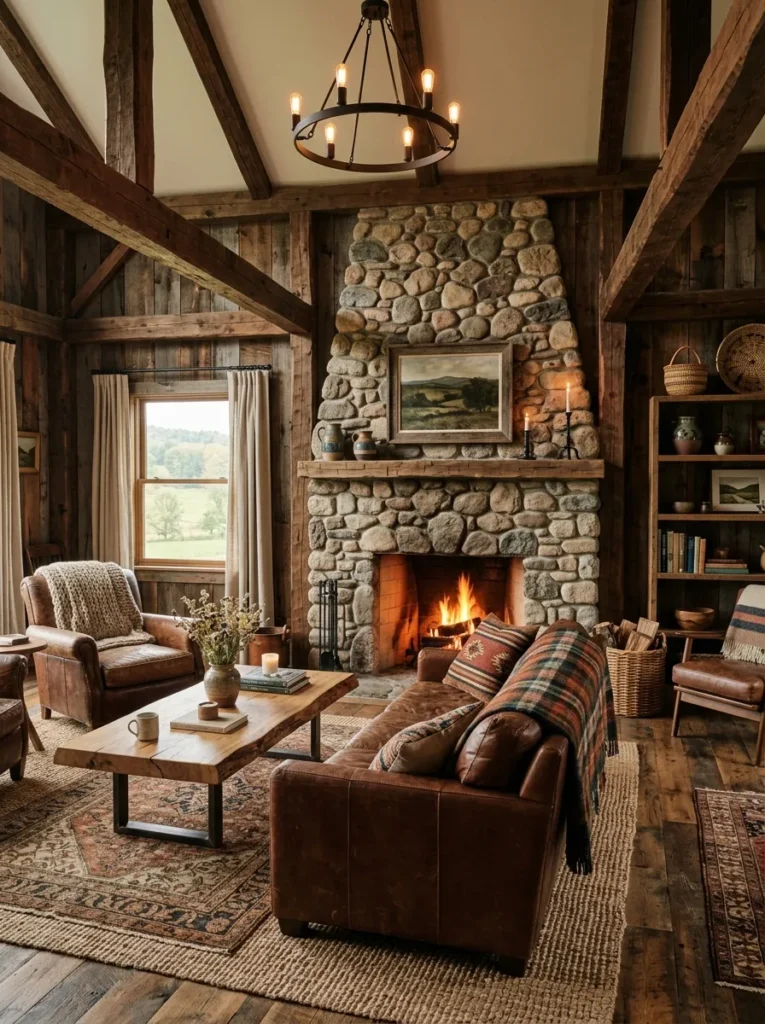
- Adds natural character through wood and stone elements
- Creates a warm atmosphere with earthy textures
- Makes spaces feel comfortable and connected to nature
- Works well for cozy family rooms and retreats
Natural materials have a special way of making a home feel grounded, comfortable, and welcoming. Rustic design focuses on wood, stone, handmade textures, and earthy colors to create spaces with warmth and personality. This style works especially well for homeowners who want interiors that feel authentic rather than overly polished. I’ve noticed that adding wooden furniture, woven fabrics, and natural accessories can instantly soften a room’s appearance. Even small rustic details, such as a wooden shelf or textured rug, can introduce a cozy feeling while keeping the overall design practical and inviting.
Rustic interiors continue to attract homeowners exploring popular interior design styles because they create a strong connection with nature and comfort. The style does not require a countryside home; simple material choices can bring the same feeling into apartments and modern houses. Designers often recommend balancing rough textures with comfortable fabrics to prevent the space from feeling too heavy. In my experience, rustic rooms feel most appealing when they include modern conveniences alongside traditional materials. This combination creates a timeless home environment that feels relaxed, functional, and full of character.
Mediterranean Escape
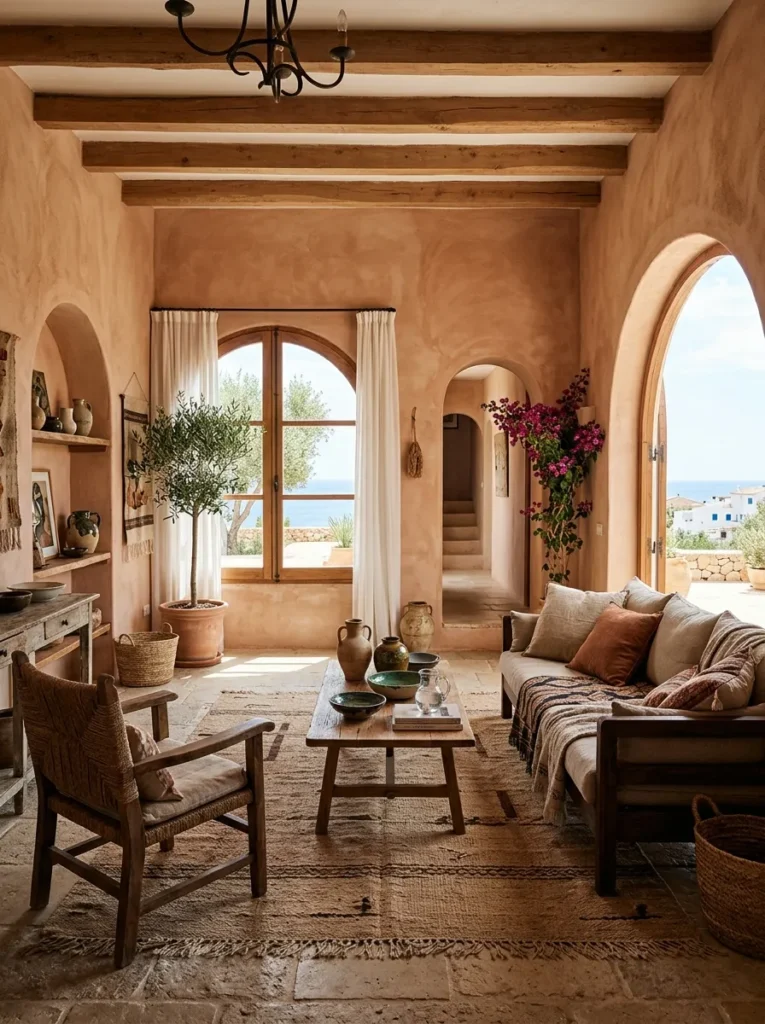
- Brings vacation-inspired warmth into everyday spaces
- Adds character through handmade textures and earthy colors
- Creates relaxed rooms with natural decorative elements
- Uses architectural details to enhance visual appeal
Warm colors and natural textures can make a home feel like a peaceful retreat filled with personality. Mediterranean design draws inspiration from coastal regions by combining earthy tones, handcrafted materials, and relaxed furniture arrangements. This style works beautifully for people who want interiors that feel sunny, welcoming, and connected to nature. I’ve noticed that features like textured walls, ceramic accessories, and wooden details can create a strong visual impact without requiring major changes. The result is a comfortable environment that feels both elegant and casual, making everyday spaces more enjoyable and memorable.
Mediterranean interiors are often included among popular interior design styles because they create a timeless atmosphere through simple natural elements. The style focuses on warmth, texture, and thoughtful decoration rather than excessive furniture or accessories. Many designers suggest using neutral foundations with terracotta, blue, or olive accents for an authentic appearance. I’ve seen this approach work well in living rooms, kitchens, and outdoor areas because it creates a welcoming flow between spaces. When balanced properly, Mediterranean design brings a relaxed elegance that feels inviting throughout every season.
Modern Luxury
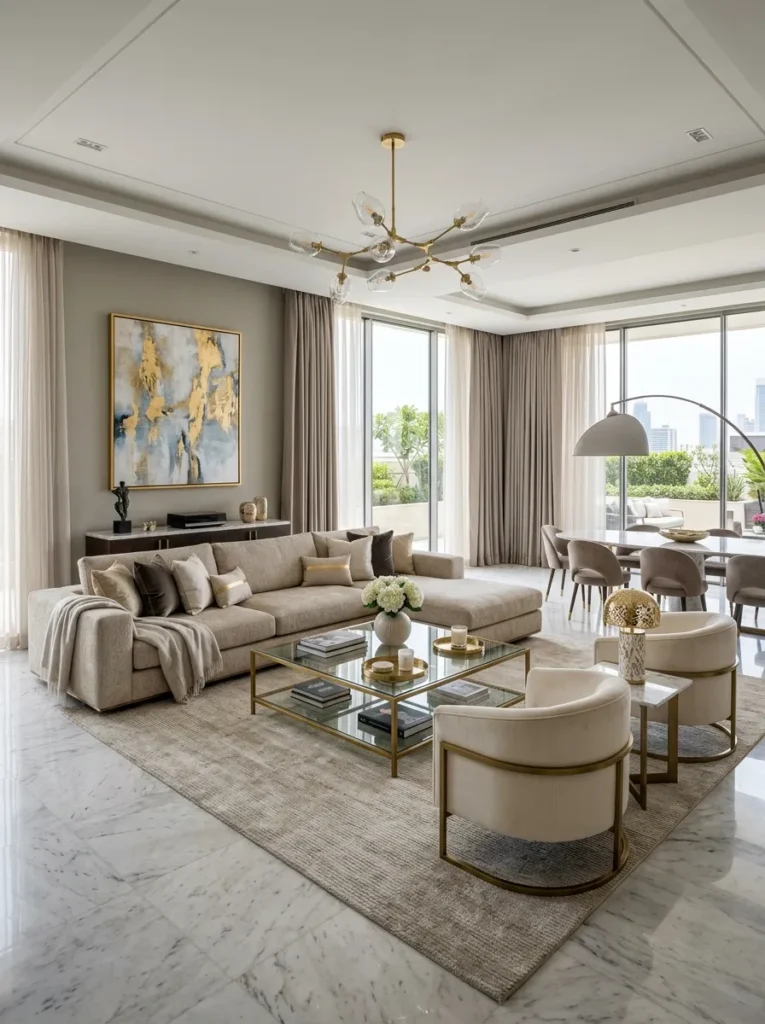
- Creates a premium look with carefully selected details
- Enhances comfort through quality materials and furniture
- Adds elegance without unnecessary decoration
- Makes everyday spaces feel sophisticated and inviting
Luxury is often created through thoughtful choices rather than simply adding expensive items. Modern luxury design focuses on quality materials, elegant finishes, comfortable furniture, and carefully balanced layouts. This style helps homeowners create spaces that feel sophisticated while remaining practical for daily life. I’ve noticed that details like layered lighting, textured fabrics, and statement pieces can make a room appear more refined. The goal is not to overcrowd the space but to create a smooth visual flow where every element feels intentional, comfortable, and beautifully connected with the overall home design.
Modern luxury remains highly admired among popular interior design styles because it combines elegance with modern functionality. This approach allows homeowners to create impressive spaces using smart design decisions rather than excessive decoration. Designers often recommend focusing on a few high-quality features, such as lighting, furniture, or finishes, to achieve a polished appearance. In my experience, luxury interiors feel most welcoming when they include personal touches alongside sophisticated elements. A comfortable chair, meaningful artwork, or warm lighting can make the space feel stylish while still maintaining a sense of home.
Vintage Revival
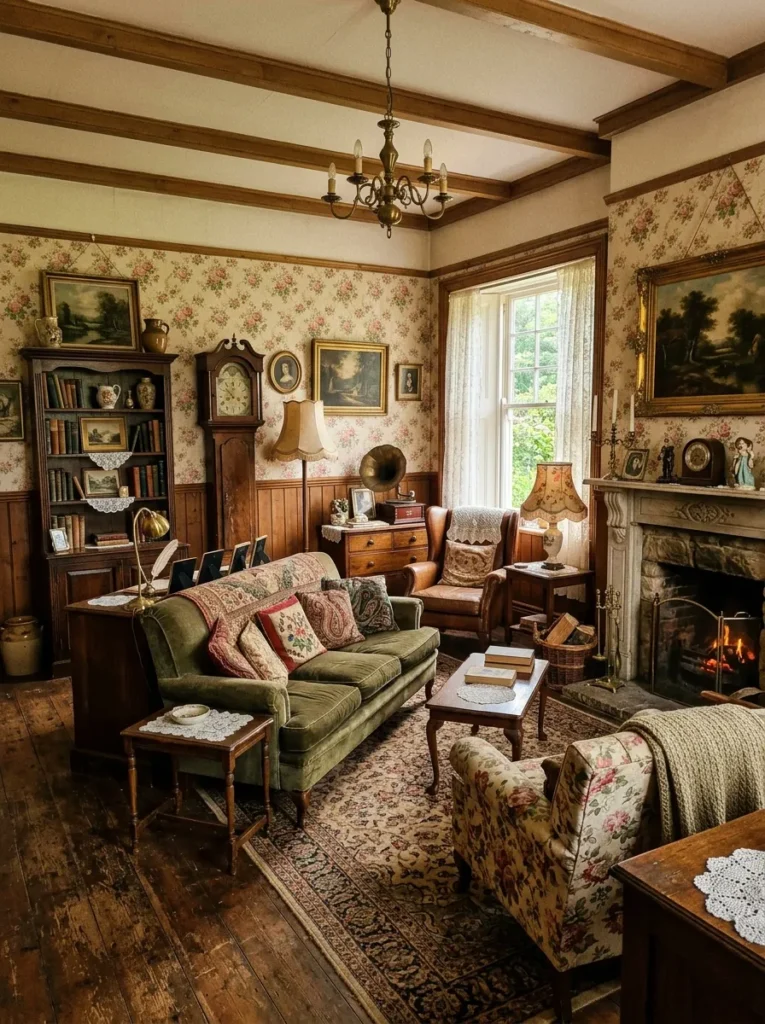
- Adds personality through unique vintage-inspired pieces
- Creates a warm atmosphere with nostalgic details
- Gives modern homes more character and charm
- Encourages thoughtful decorating with meaningful items
Old-fashioned details can bring a surprising amount of warmth and personality into modern homes. Vintage design focuses on timeless furniture, classic patterns, and decorative pieces that create a sense of history. This style works beautifully for homeowners who enjoy spaces that feel unique rather than mass-produced. I’ve noticed that mixing vintage accessories with modern furniture often creates the most balanced look. A classic mirror, antique table, or retro lamp can become a beautiful focal point without making the room feel outdated. The result is a home filled with character, comfort, and visual interest.
Vintage revival remains a favorite among popular interior design styles because it allows homeowners to express individuality through carefully selected pieces. Instead of copying a specific era, many designers recommend blending different influences while maintaining a cohesive color palette. In my experience, the best vintage-inspired rooms feel collected naturally over time rather than perfectly arranged. Adding personal items, family treasures, or secondhand finds can make the space feel authentic. This approach creates interiors that tell a story while providing a comfortable and stylish environment for everyday living.
Eco-Friendly Design
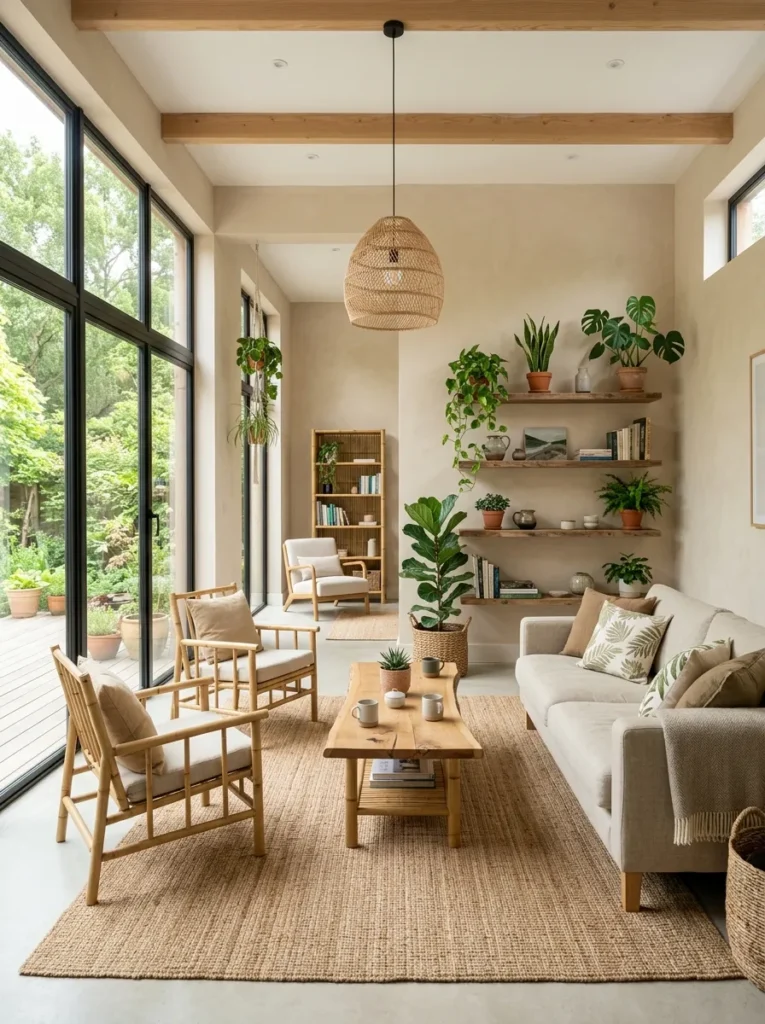
- Supports healthier spaces with natural materials
- Creates a fresh feeling through plants and organic textures
- Reduces visual waste with thoughtful furniture choices
- Connects interior design with sustainable living habits
A beautiful home can also be a thoughtful home when design choices consider both comfort and the environment. Eco-friendly design focuses on sustainable materials, natural elements, and practical solutions that reduce unnecessary waste. This approach works well for homeowners who want spaces that feel fresh and connected to nature. I’ve seen simple changes like adding plants, choosing durable furniture, and using natural fabrics create a noticeable improvement in a room’s atmosphere. These choices can make interiors feel healthier, calmer, and more meaningful while supporting a more responsible approach to decorating.
Eco-friendly spaces are becoming increasingly popular among homeowners exploring popular interior design styles because they combine modern beauty with conscious living. Designers often recommend selecting long-lasting materials, improving natural lighting, and incorporating greenery for a balanced environment. In my experience, sustainable design does not mean sacrificing style or comfort. A room can still look elegant while using recycled materials, organic textures, and energy-saving features. This creates a home that feels visually appealing, functional, and aligned with everyday habits that support a more mindful lifestyle.
Maximalist Expression
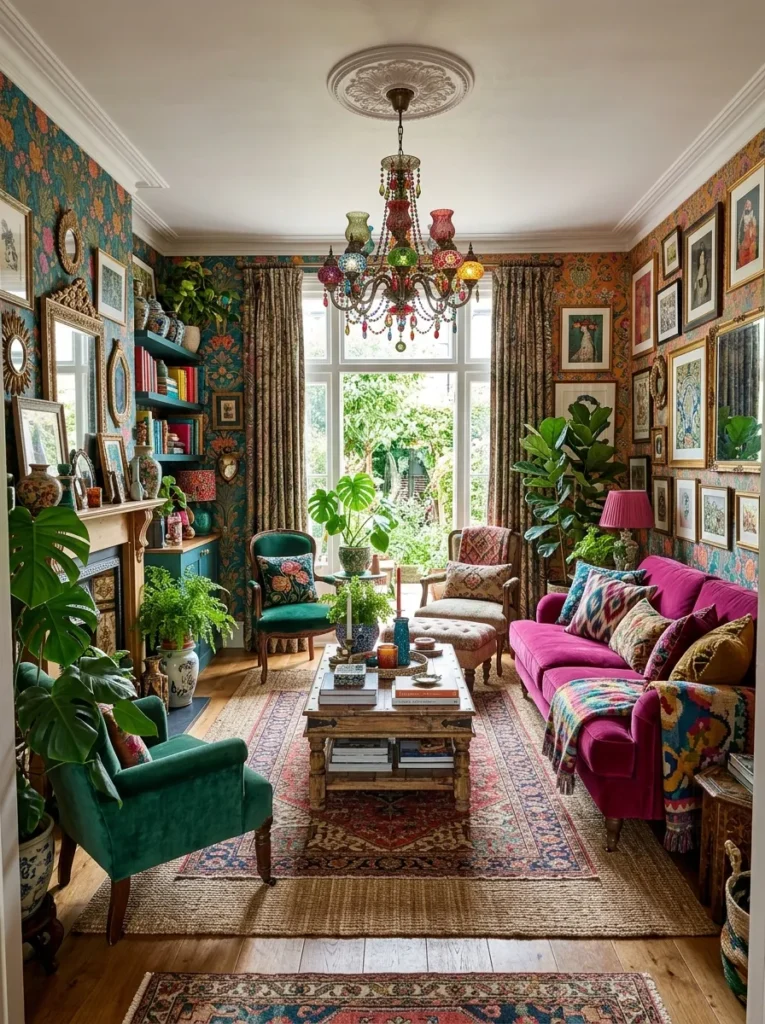
- Adds creativity through bold colors and patterns
- Creates personalized spaces full of visual interest
- Allows freedom to display collections and artwork
- Makes ordinary rooms feel expressive and memorable
A room filled with color, patterns, and meaningful objects can feel incredibly personal and inspiring. Maximalist design celebrates creativity by combining different textures, artwork, and decorative elements to create a visually rich environment. This style works well for people who enjoy expressive homes that reflect their interests and personality. I’ve noticed that successful maximalist rooms still need balance, even when they include many details. Choosing a connecting color theme or repeating certain materials helps everything feel intentional. The result is a lively space that feels energetic, comfortable, and uniquely connected to the homeowner.
Maximalist interiors stand out among popular interior design styles because they encourage confidence and individuality instead of following strict decorating rules. Many designers recommend building layers gradually by adding artwork, textiles, books, and accessories that have personal meaning. In my experience, the strongest maximalist spaces are not simply crowded; they are carefully arranged to create harmony between different elements. A thoughtful mix of colors, patterns, and textures can transform a plain room into an inspiring environment that feels creative, welcoming, and full of life.
Wabi Sabi Simplicity
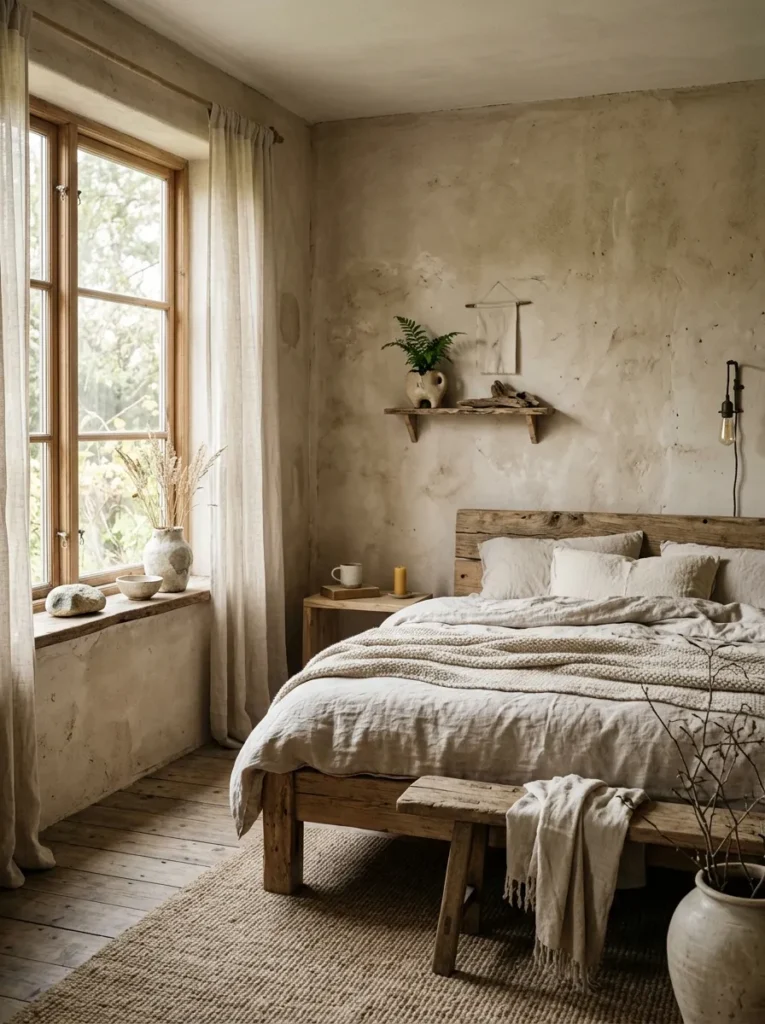
- Creates peaceful spaces with natural imperfections
- Encourages mindful decorating with meaningful pieces
- Adds warmth through handmade textures and materials
- Helps rooms feel calm without excessive decoration
Beauty does not always come from perfection; sometimes the most inviting spaces feel authentic because they show natural character. Wabi Sabi design embraces simplicity, aged materials, and imperfect details that create a peaceful home atmosphere. This style focuses on appreciating handmade objects, organic textures, and thoughtful arrangements rather than chasing flawless appearances. I’ve noticed that rooms designed with this mindset often feel more relaxing because they remove unnecessary pressure to keep everything perfectly styled. Natural wood, linen fabrics, and handcrafted accessories help create a comfortable environment that feels genuine and easy to enjoy.
Wabi Sabi has become an inspiring choice among popular interior design styles because it encourages homeowners to create spaces with meaning and emotional connection. Designers often recommend choosing fewer items that have quality, purpose, or personal value. In my experience, a simple room with natural textures can feel more welcoming than one filled with decorations. Small details like a handmade vase, weathered furniture, or soft neutral colors can add depth and personality. This approach creates interiors that feel peaceful, timeless, and connected to everyday moments.
Urban Modern
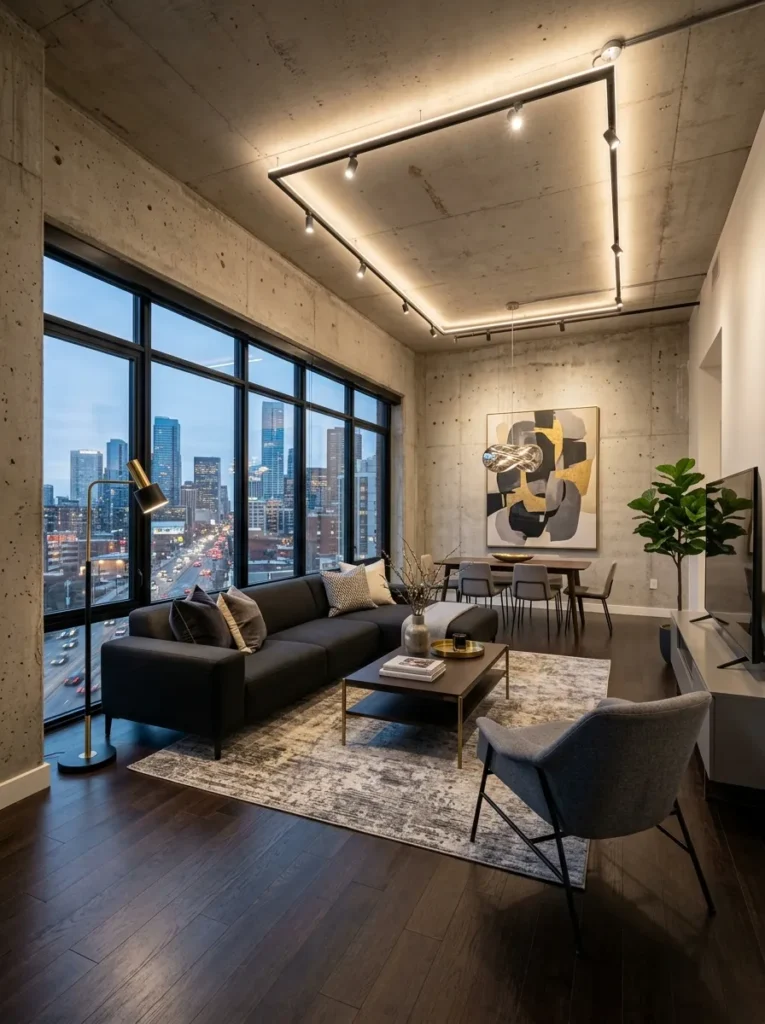
- Brings city-inspired style into modern homes
- Creates functional layouts for compact spaces
- Adds sophistication through clean materials and finishes
- Combines comfort with contemporary visual appeal
City living often requires smart design choices that make every area feel comfortable and stylish. Urban modern design combines sleek furniture, practical layouts, and contemporary materials to create interiors suited for modern lifestyles. This style works especially well in apartments where space needs to feel open and organized. I’ve noticed that using neutral colors, multifunctional furniture, and statement lighting can make smaller rooms appear more refined. The combination of smooth surfaces and comfortable textures creates a balanced environment that feels sophisticated without losing the warmth needed for everyday living.
Urban modern interiors continue to attract attention within popular interior design styles because they reflect the needs of people living in busy environments. Designers often recommend creating clear zones within open layouts through rugs, furniture placement, or lighting choices. In my experience, even compact homes can feel luxurious when the design focuses on flow and functionality. Adding artwork, plants, and textured fabrics helps soften modern materials while maintaining the clean appearance. This creates a stylish home that feels organized, comfortable, and perfectly suited for contemporary routines.
Cottagecore Living
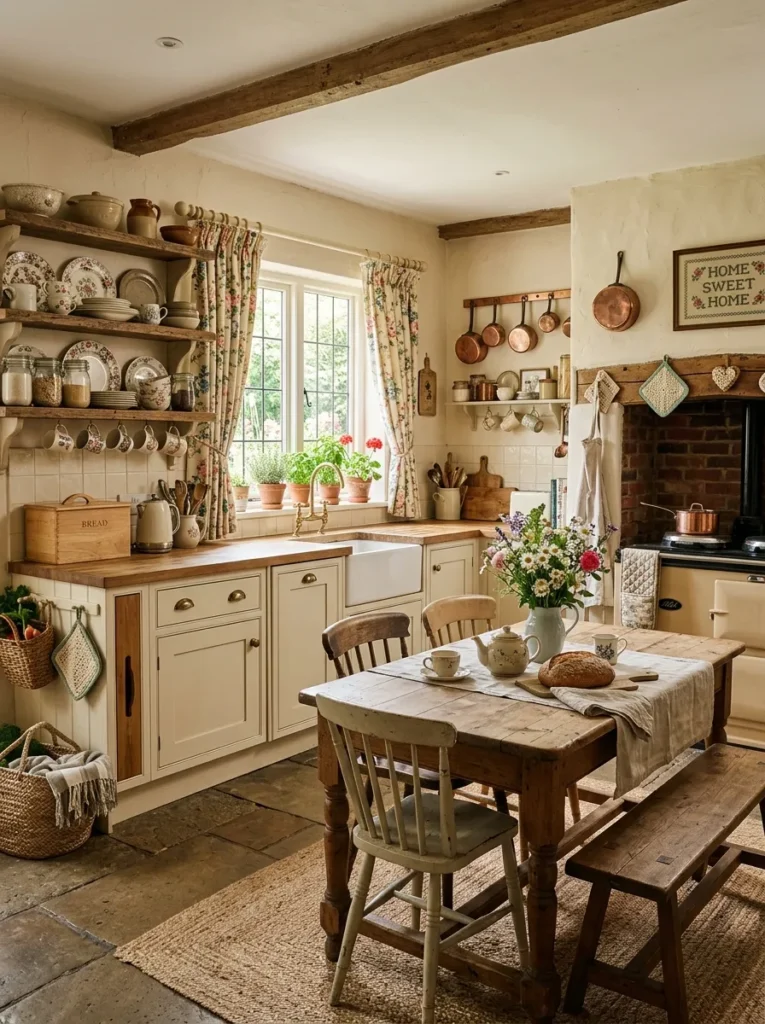
- Creates a cozy countryside-inspired atmosphere
- Adds warmth through handmade and vintage elements
- Makes kitchens and living areas feel welcoming
- Brings nature-inspired details into everyday spaces
A cozy home often comes from details that create comfort, nostalgia, and a connection to simpler living. Cottagecore design celebrates countryside inspiration through floral patterns, natural materials, vintage pieces, and handmade decorations. This style creates a warm atmosphere that feels peaceful and inviting. I’ve noticed that adding small touches like fresh flowers, woven baskets, or wooden accessories can instantly make a room feel more charming. The style works beautifully for kitchens, bedrooms, and living spaces because it focuses on creating environments where people feel relaxed and connected.
Cottagecore has gained attention among popular interior design styles because it combines traditional charm with modern comfort. Designers often suggest using soft colors, natural fabrics, and vintage-inspired accessories to create this cozy appearance. In my experience, the most successful cottagecore rooms avoid feeling overly themed by mixing old-fashioned details with practical modern features. A comfortable sofa, useful storage, and warm lighting can make the space both beautiful and functional. This approach creates a home that feels peaceful, personal, and full of comforting visual details.
Glamorous Hollywood Regency
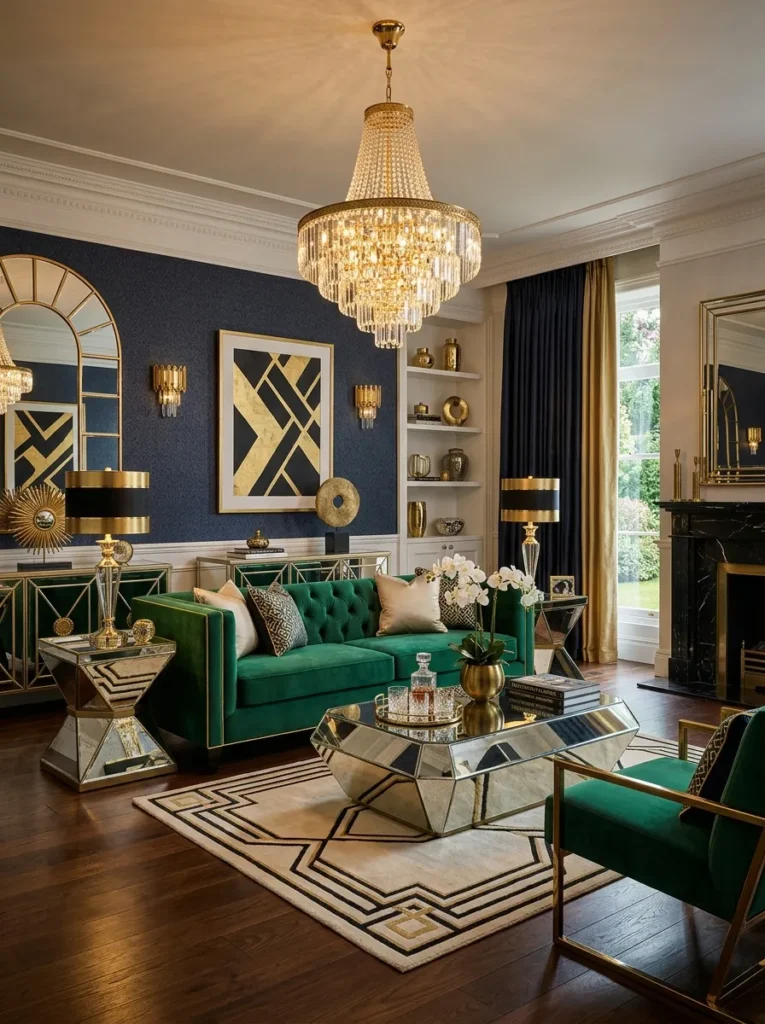
- Adds a luxurious and sophisticated appearance
- Creates visual impact through elegant statement pieces
- Uses reflective surfaces to make spaces brighter
- Brings a stylish designer-inspired feeling indoors
A little glamour can completely change how a room feels, making everyday spaces look more polished and memorable. Hollywood Regency design focuses on luxury, drama, and elegant details through velvet fabrics, metallic finishes, mirrors, and bold accessories. This style works well for homeowners who enjoy interiors with personality and a refined appearance. I’ve noticed that adding one statement piece, such as a glamorous light fixture or textured chair, can instantly elevate a room. The key is creating balance so the space feels luxurious while still remaining comfortable and practical for daily living.
Hollywood Regency remains an eye-catching choice among popular interior design styles because it combines classic elegance with modern sophistication. Designers often recommend using high-quality textures, balanced layouts, and carefully selected decorative accents to achieve this look. In my experience, the style works best when luxury elements are paired with comfortable furniture and practical arrangements. Soft lighting, layered fabrics, and reflective details can create a beautiful atmosphere without making the room feel overwhelming. This approach transforms ordinary spaces into stylish environments that feel elegant, inviting, and visually impressive.
Biophilic Interiors
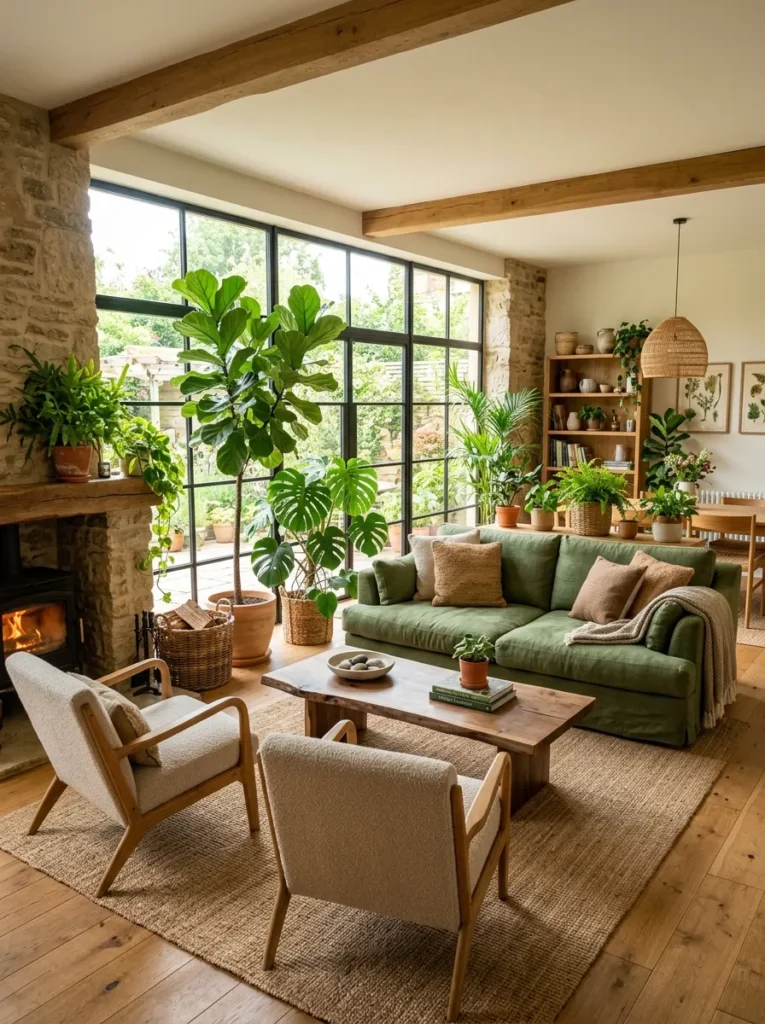
- Brings nature-inspired elements into indoor spaces
- Creates a fresher and more relaxing atmosphere
- Improves visual comfort with greenery and natural textures
- Helps connect modern homes with outdoor surroundings
Nature has a powerful effect on how a home feels, and bringing outdoor elements inside can transform everyday spaces. Biophilic design focuses on connecting interiors with nature through plants, natural materials, sunlight, and organic textures. This approach works beautifully for homeowners who want rooms that feel refreshing and calming. I’ve seen simple additions like indoor plants, wooden furniture, and natural fabrics create a noticeable difference in a space. These elements add warmth while making rooms feel more alive, balanced, and comfortable for people who spend a lot of time indoors.
Biophilic interiors are increasingly recognized among popular interior design styles because they support a more natural and peaceful living environment. Designers often recommend maximizing natural light, adding greenery, and choosing materials inspired by nature. In my experience, even small homes can benefit from this style through simple changes like plant arrangements or earthy color palettes. The goal is not just decoration but creating a stronger connection between people and their surroundings. This results in interiors that feel healthier, more inviting, and visually harmonious throughout the home.
Transitional Balance
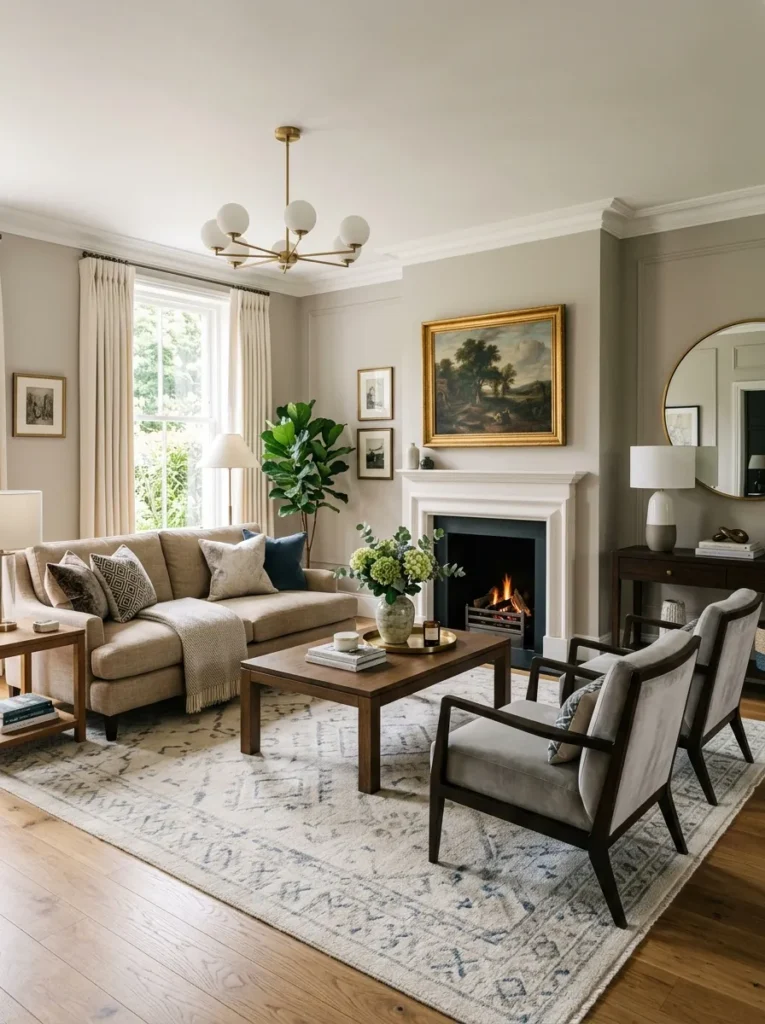
- Blends classic details with modern simplicity
- Creates timeless spaces that adapt to trends
- Provides comfort without looking outdated
- Helps different furniture styles work together
Finding the perfect balance between classic charm and modern simplicity can create a home that feels timeless. Transitional design combines traditional elements with contemporary features to create spaces that are elegant, comfortable, and adaptable. This style works well for homeowners who appreciate classic details but prefer a cleaner modern appearance. I’ve noticed that mixing comfortable furniture, neutral colors, and simple decorative pieces creates a balanced look that feels naturally welcoming. The style allows rooms to evolve over time because it does not depend on one specific trend or design period.
Transitional design is often chosen by people exploring popular interior design styles because it offers flexibility and long-lasting appeal. Designers recommend focusing on harmony between textures, colors, and furniture shapes rather than matching every item perfectly. In my experience, this style is especially useful when combining existing furniture with new purchases. A modern lamp can work beautifully beside a classic table when the overall palette remains connected. This creates a sophisticated home that feels organized, comfortable, and personal while maintaining a polished visual appearance.
Color Psychology
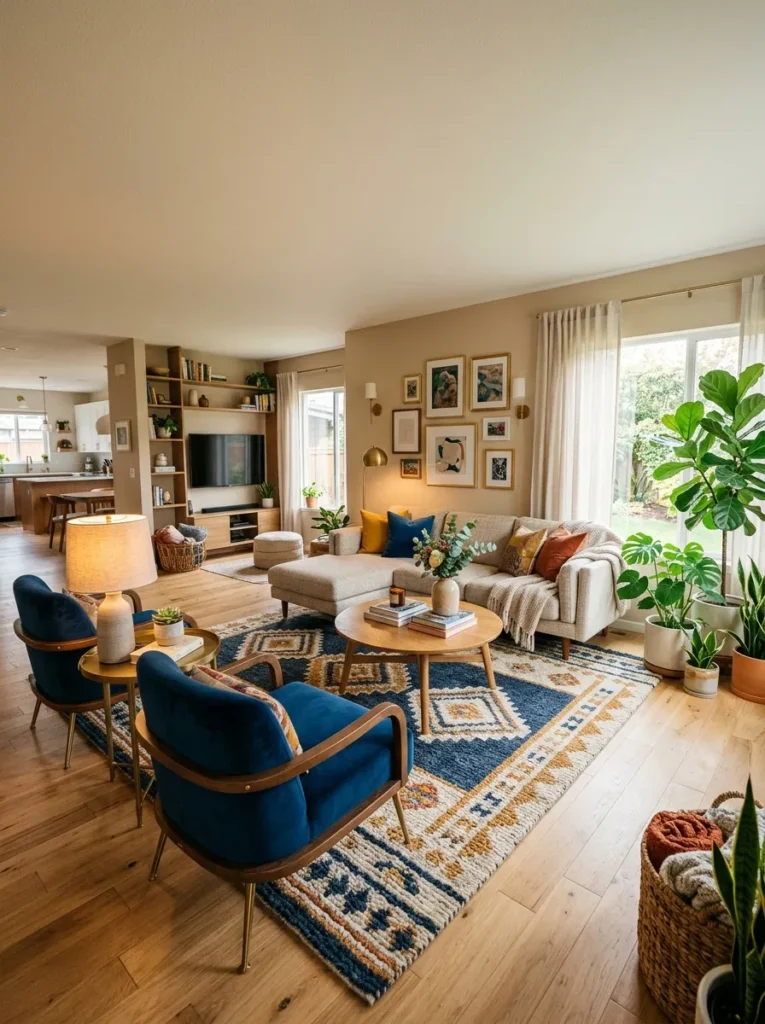
- Uses colors to influence the mood of different rooms
- Creates visual harmony between furniture and decorations
- Helps spaces feel warmer, brighter, or more relaxing
- Adds personality without requiring major renovations
A well-designed room can feel completely different when color choices and materials work together in harmony. Color psychology design uses thoughtful combinations of shades and tones to influence mood and create specific atmospheres throughout a home. This approach works because colors can make spaces appear larger, warmer, calmer, or more energetic without major renovations. I’ve noticed that choosing the right palette helps furniture and decorations feel more connected while improving the overall visual flow of a room. Soft neutrals create relaxation, while deeper shades add character and depth to living spaces with personality and style.
Among popular interior design styles, thoughtful color planning plays an important role in creating beautiful and functional homes. Designers often recommend testing colors with natural lighting before making final decisions because shades can appear different throughout the day. In my experience, even small updates like accent walls, decorative pillows, or artwork can transform the feeling of a space without changing the entire layout. A carefully selected palette brings balance, highlights design features, and helps every room feel more intentional and inviting. This makes color a powerful tool for creating memorable interiors that reflect personal taste and everyday comfort.
Conclusion
Your home should reflect the way you live, feel, and enjoy everyday moments. These popular interior design styles offer endless inspiration for creating spaces that are beautiful, comfortable, and meaningful. Whether you choose a complete makeover or start with a small update, each idea can help transform your surroundings. I’ve seen how simple changes like better colors, textures, and furniture choices can completely refresh a room. Save this post on Pinterest for future inspiration, try your favorite ideas in your own space, and share this guide with anyone looking to create a home they love.