20 Corner Fireplace Ideas for Stylish Small Spaces
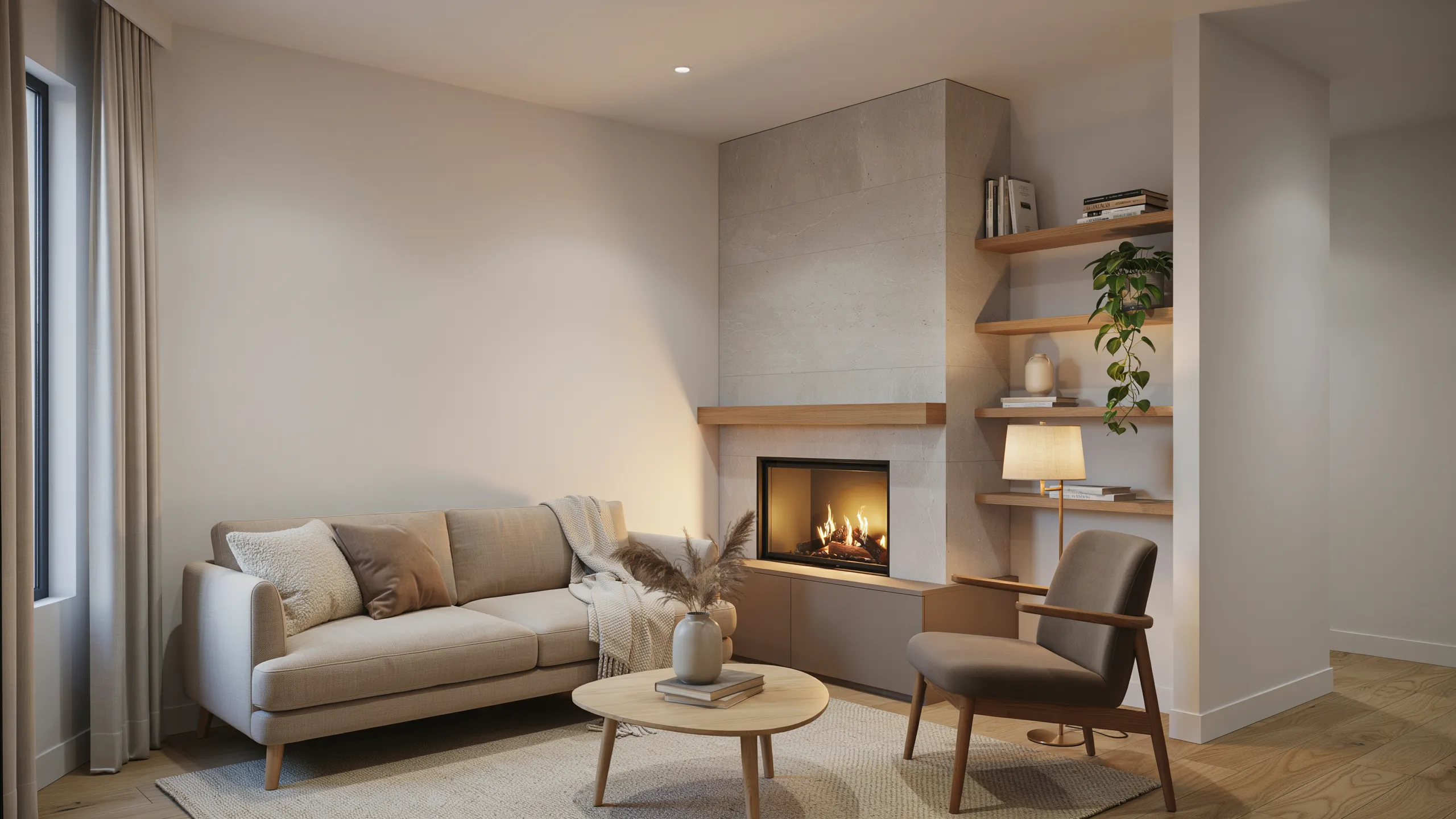
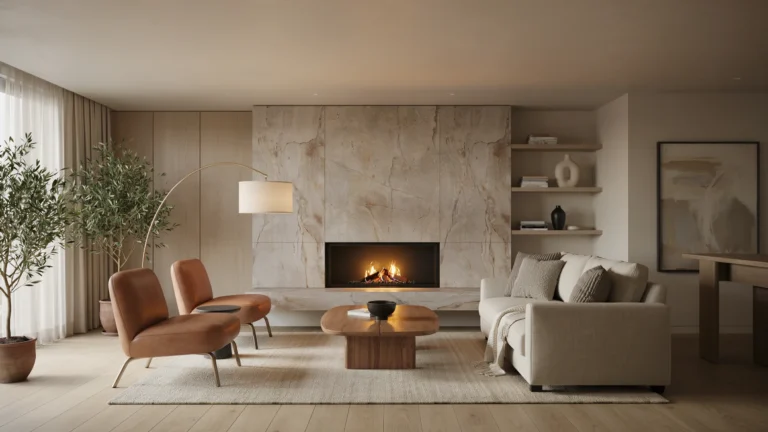
A corner fireplace can completely change the way a small room feels, turning empty, overlooked corners into warm, stylish focal points. If your space feels tight, plain, or hard to decorate, these ideas will help you see every corner in a new way. From modern glass designs to cozy rustic textures, each inspiration in this article shows how smart placement and design can instantly elevate your home’s atmosphere.
In my experience, even the smallest design change in a corner setup often creates the biggest visual impact. I’ve seen how homeowners transform compact living rooms into cozy, Pinterest-perfect spaces just by rethinking one corner. This guide will help you do exactly that.
Glass Minimal Frame
- Creates open visual flow in small rooms
- Reflects light for brighter interior feel
- Keeps heating focal point without heaviness
- Works well with minimalist furniture styles
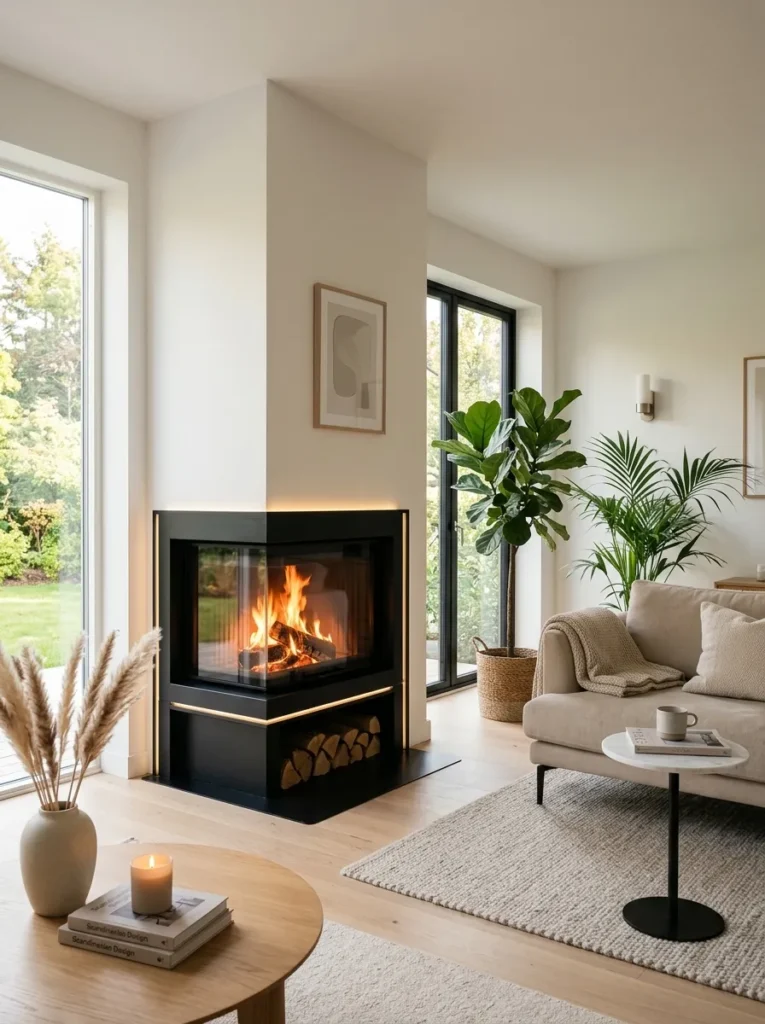
One of the most effective ways to elevate a compact living area is by using a glass-enclosed focal fire feature that keeps everything visually open and bright. This design works especially well in apartments where natural light is limited, because transparent framing allows the space to breathe instead of feeling boxed in. The soft reflections from glass also help distribute warmth visually across the room. In many modern homes, a corner fireplace like this becomes the centerpiece without overpowering furniture or decor, making the entire layout feel balanced, airy, and intentionally designed.
Small spaces often feel restrictive, but the right structural placement can completely change how open a room feels. Positioning a glass fire feature at a corner angle helps maximize wall space while creating a natural visual anchor. Pairing it with neutral tones and low-profile seating ensures the focus remains on clean architecture rather than clutter. This is why many interior designers recommend this layout for studio apartments and compact living rooms where every inch matters. Natural lighting paired with reflective materials further enhances depth, making even tight layouts feel more breathable and visually larger.
Rustic Brick Nook
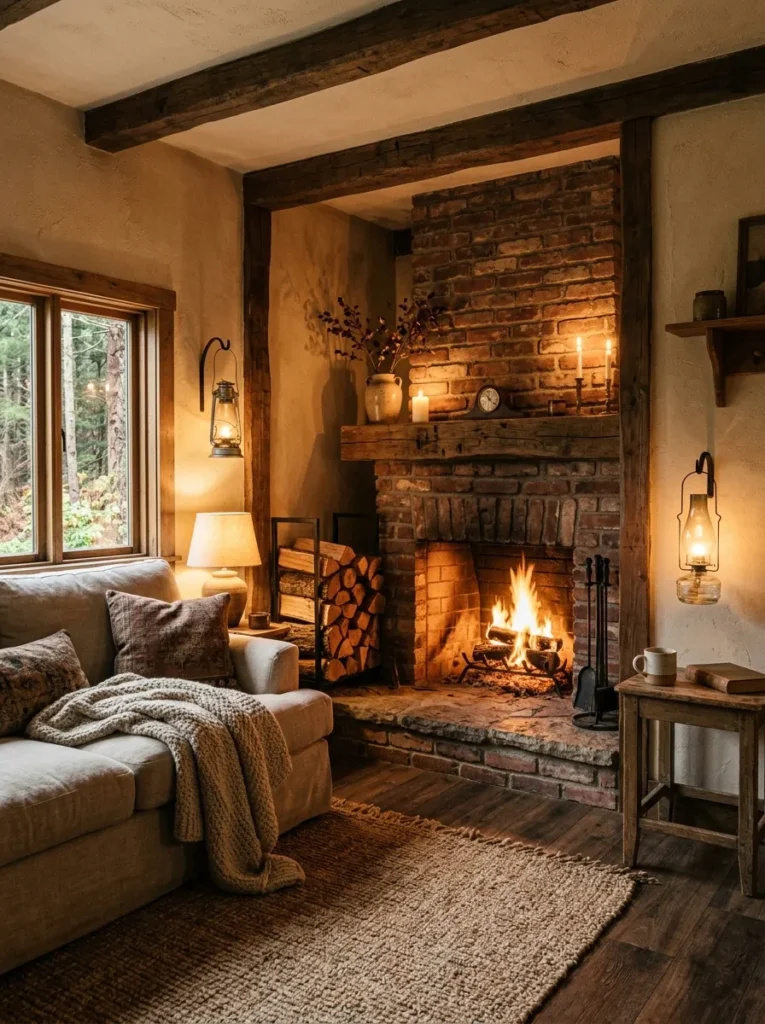
- Adds warmth and natural texture instantly
- Perfect for cozy, traditional-inspired interiors
- Works well with wood and earthy tones
- Creates a strong focal point in small corners
A rustic brick feature instantly transforms a plain corner into a warm and inviting focal point that feels timeless. This style brings natural texture and depth to small spaces, making them feel more grounded and visually rich. When combined with soft lighting and wooden elements, it creates a cozy environment that feels perfect for evenings spent indoors. I have seen this approach work especially well in older homes where preserving character adds more value than modern minimalism. Even compact layouts benefit from its strong visual grounding and textured depth. Especially in winter months.
Small corners often go unused, but turning them into a textured focal point can dramatically change the mood of the entire room. Brick fire installations naturally retain heat longer, making the space feel comfortable and energy-efficient without extra effort. Pairing this setup with soft textiles and neutral color palettes keeps the space balanced and visually calming. Designers often suggest adding personal decor elements like candles or artwork to avoid a too heavy look. The result is a warm, grounded atmosphere that feels both stylish and functional. Perfect for small homes.
Modern Marble Angle
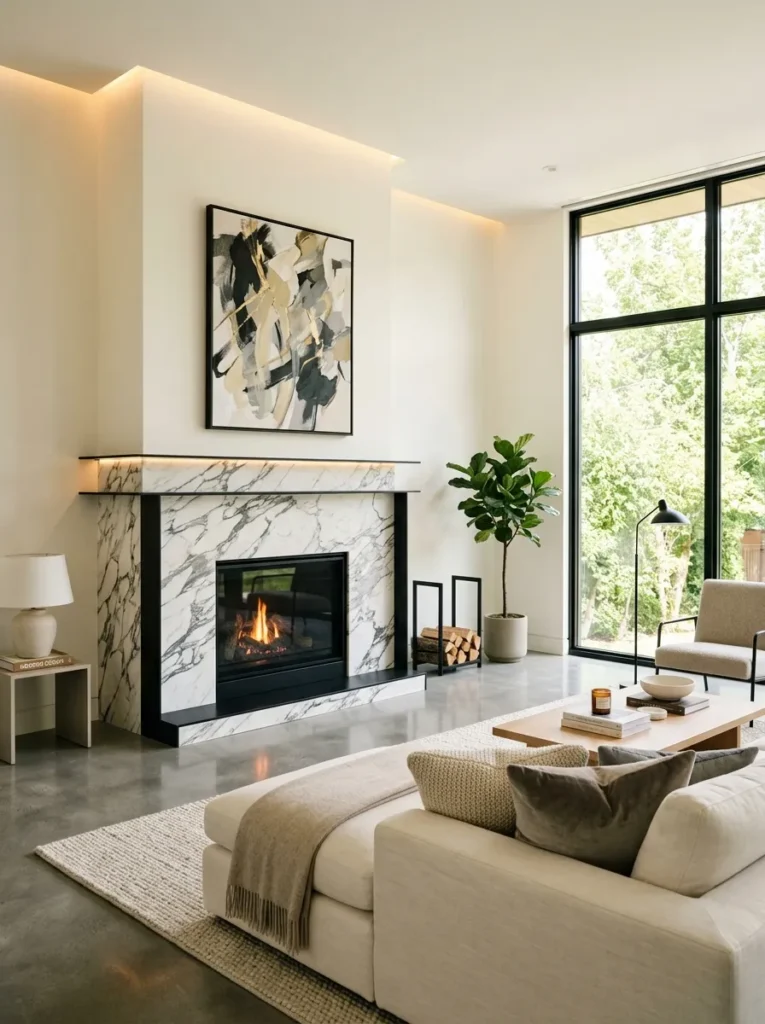
- Adds luxury feel even in compact layouts
- Works beautifully with neutral modern palettes
- Enhances room symmetry and structure visually
- Blends marble texture with soft ambient lighting
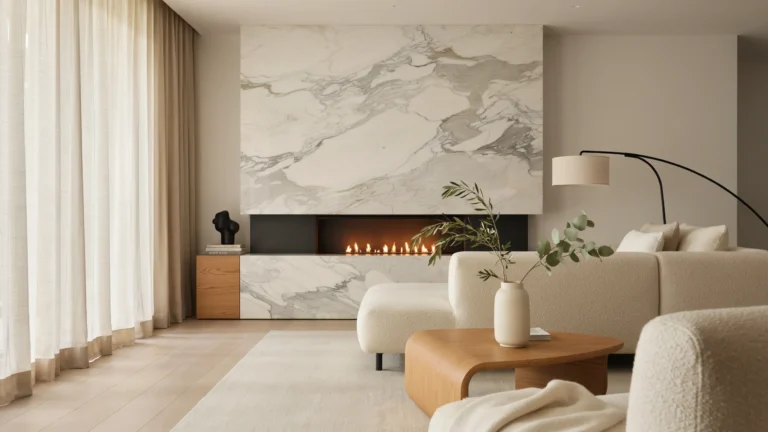
A marble corner feature instantly upgrades a simple room into a refined, high-end living space. This design brings a luxurious feel without requiring large renovation budgets, making it ideal for modern apartments. The natural veining in marble adds visual movement and depth, while soft lighting enhances its elegant surface. In many interiors I have observed this material choice creates a strong focal point even in minimal layouts. That’s why many designers recommend it for compact urban living spaces. Especially where elegance meets space-saving design. It visually expands tight interiors. Naturally.
In compact homes, every design choice matters, and selecting the right materials can completely redefine spatial perception. Marble installations along a corner angle draw the eye upward and inward, creating a balanced architectural flow. Combined with warm lighting and neutral furniture tones, the entire space feels more open and harmonized. This effect is especially noticeable during evening hours when reflective surfaces softly glow and enhance depth. Even minimal decor pieces stand out beautifully against its polished texture. This makes the space feel thoughtfully designed and visually layered. Perfect for modern apartments.
Floating Concrete Hearth
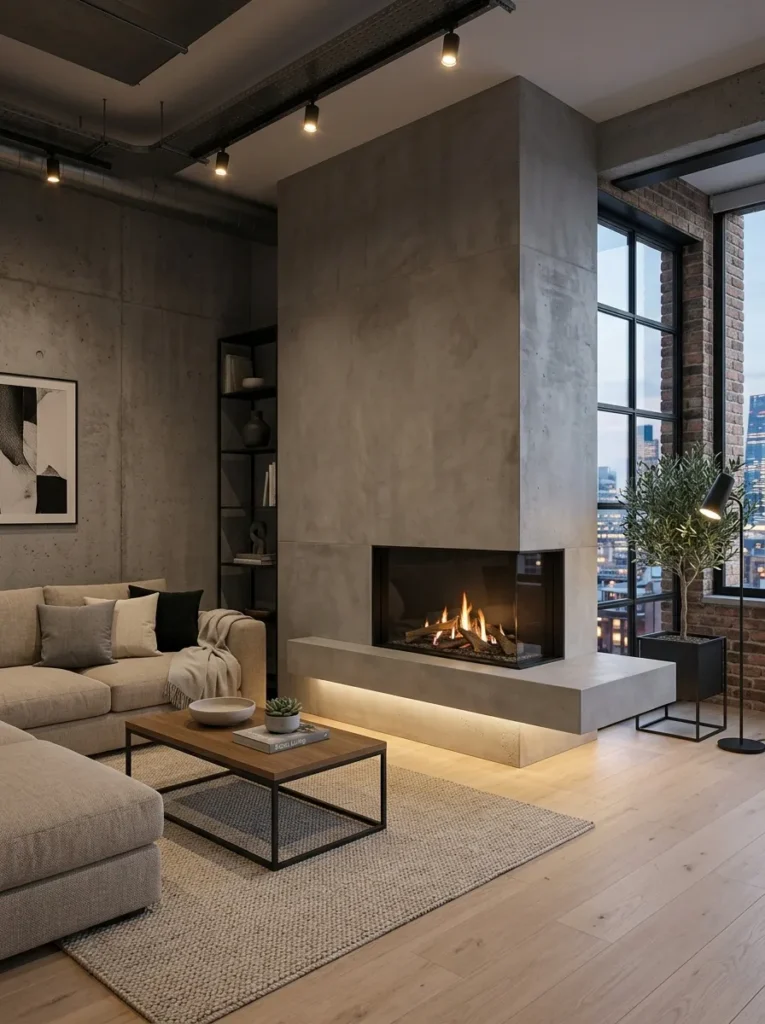
- Adds bold architectural character without clutter
- Works well in industrial or modern interiors
- Creates illusion of more floor space below
- Easy to pair with neutral furniture styles
A floating concrete base instantly changes how a small room feels by lifting visual weight off the floor and creating an open, airy impression. This design works especially well in compact apartments where heavy structures can feel overwhelming. The smooth concrete finish adds a raw, architectural edge that contrasts beautifully with soft furnishings. I’ve noticed this approach is often used in modern urban homes to balance minimalism with strength. The elevated design keeps the eye moving naturally, making the entire corner feel intentional, structured, and visually lighter without sacrificing warmth or comfort in the living space.
Small interiors benefit greatly from designs that reduce visual clutter while still offering strong focal impact. A floating structure achieves exactly that by freeing up lower wall space and creating a sense of depth beneath the installation. When paired with warm indirect lighting, the effect becomes even more dramatic, especially during evening hours. Designers often recommend keeping surrounding furniture low-profile to maintain balance and proportion. This approach not only enhances spatial flow but also makes the room feel more expensive and thoughtfully designed, even when working within a limited square footage layout.
Farmhouse Mantel Corner
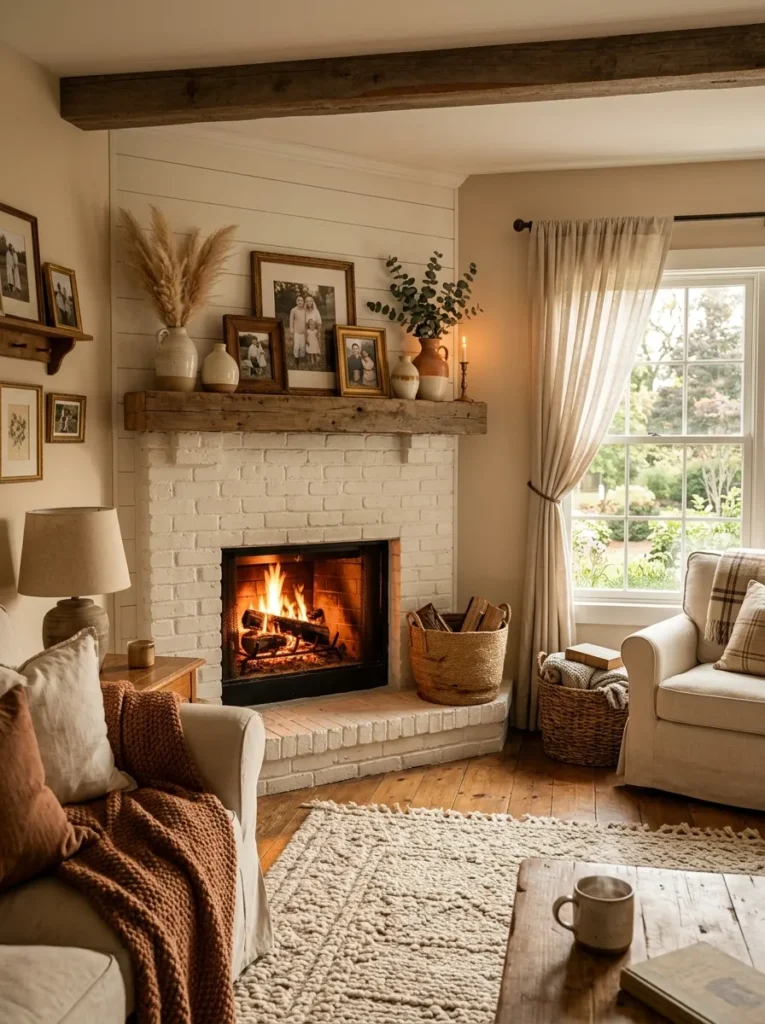
- Adds charming rustic personality instantly
- Perfect for cozy family-centered interiors
- Works beautifully with wood and neutral tones
- Creates a decorative focal styling opportunity
A farmhouse-style mantel instantly adds warmth and personality to a compact living space by blending rustic charm with functional design. The wooden beam creates a natural focal line that draws attention upward, making even small corners feel thoughtfully styled. In many homes I’ve seen, this design becomes a storytelling element where personal decor pieces can be displayed beautifully. Soft whites and natural wood tones work especially well because they keep the space feeling light while still adding depth. This balance makes the entire corner feel welcoming, lived-in, and visually comforting for everyday living.
Decorative mantels are not just aesthetic additions; they also help define structure within small layouts. By framing the corner area, the mantel gives the fireplace a grounded presence that feels intentional rather than squeezed into space. Layering simple decor like candles, framed prints, or greenery enhances visual interest without overwhelming the room. Many designers recommend seasonal styling here because it keeps the space dynamic and fresh throughout the year. This approach turns a simple corner into a flexible design feature that evolves with personal taste and lifestyle changes. Very practical for small homes.
TV Above Hearth
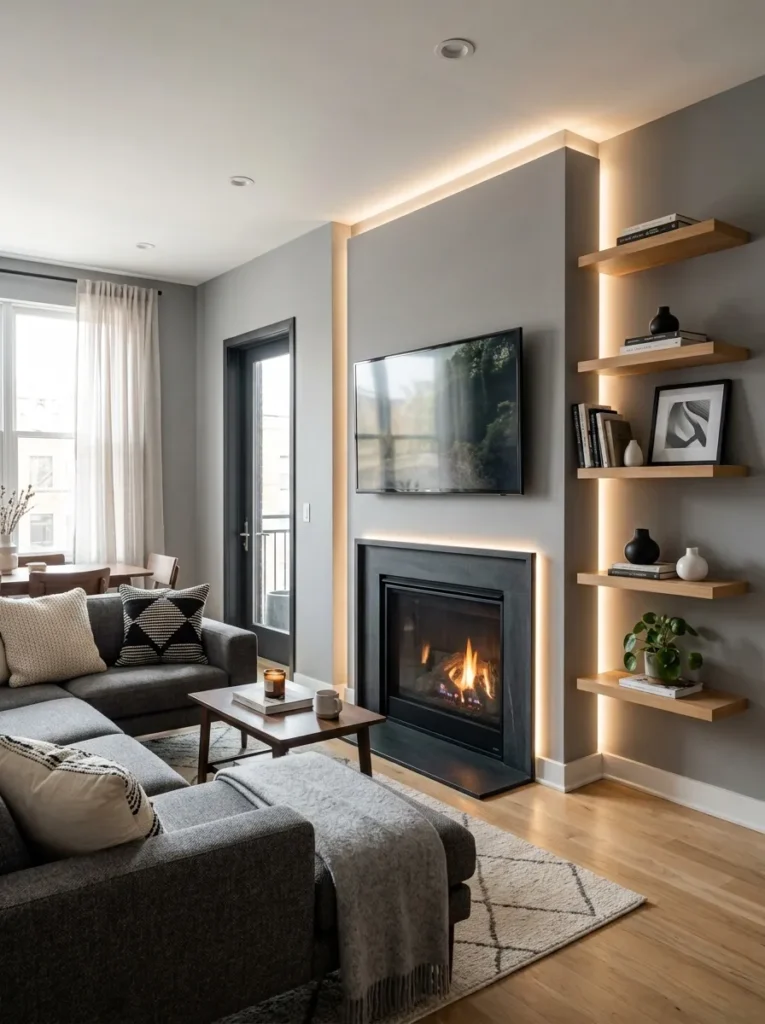
- Saves valuable wall space in small rooms
- Combines entertainment and warmth in one zone
- Keeps layout clean and highly functional
- Ideal for modern compact apartment living
Combining entertainment and warmth in one vertical line is one of the most efficient ways to design a small living space. Placing a screen above the heat feature creates a unified focal point that eliminates the need for multiple wall arrangements. This setup is especially popular in apartments where space is limited and every surface must serve a purpose. I’ve noticed this arrangement works best when framed with neutral tones and minimal decor, allowing the wall to feel structured rather than crowded. The result is a clean, modern aesthetic that feels both practical and visually balanced in everyday use.
When properly designed, this vertical alignment improves both functionality and flow in compact interiors. Keeping the wall finish simple ensures that attention stays centered rather than scattered across competing elements. Soft backlighting behind the screen or structure can reduce visual strain and add depth during evening hours. Designers often recommend cable concealment systems to maintain a seamless appearance, which significantly enhances the overall aesthetic. This layout is especially useful for small apartments where separate entertainment units are not practical, creating a streamlined focal wall that feels efficient, modern, and space-conscious without sacrificing comfort or style.
Black Steel Frame
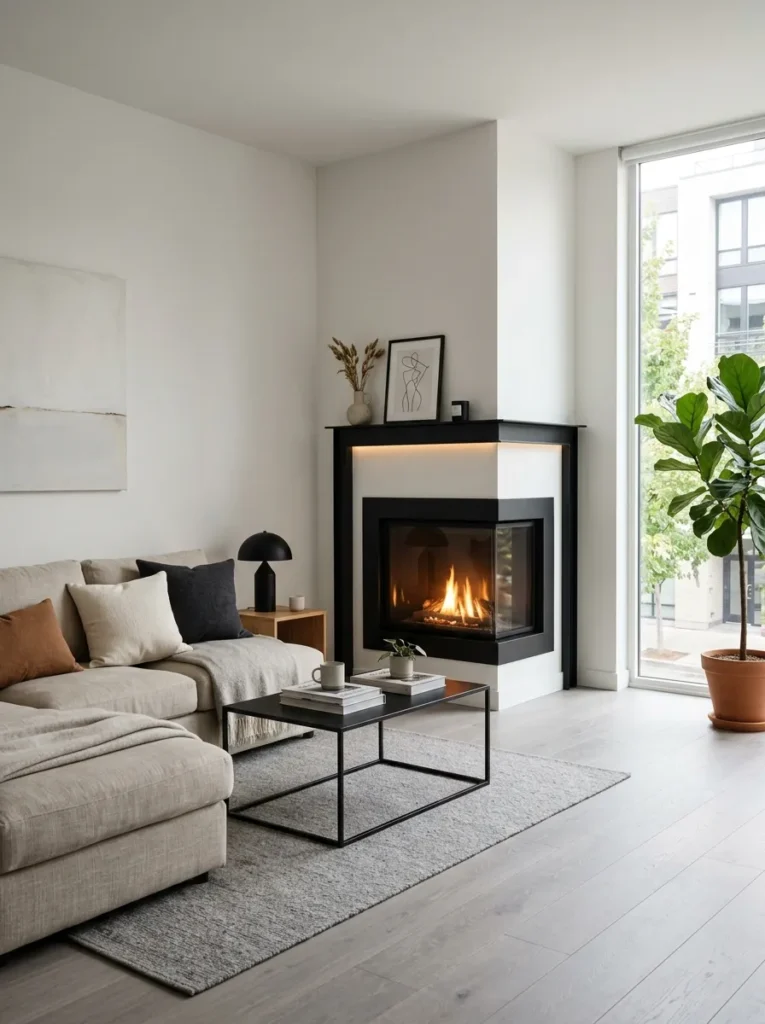
- Adds sharp modern contrast to light interiors
- Frames the corner like a design feature
- Works perfectly with minimalist furniture styles
- Enhances visual structure without bulk
A black steel frame instantly sharpens the entire look of a small living space by adding structure and contrast in a very intentional way. This design works especially well in light-colored rooms where definition is needed without adding visual clutter. The thin metal lines act like a visual outline, drawing attention to the corner without overwhelming it. I’ve noticed this approach is often used in modern Scandinavian interiors because it balances simplicity with boldness. The result is a clean architectural focal point that feels both lightweight and strong at the same time, enhancing spatial clarity naturally.
In compact interiors, contrast plays a major role in shaping how depth is perceived, and this type of framing does it effortlessly. The dark outline naturally guides the eye toward the corner while keeping the surrounding space open and breathable. When paired with neutral furniture and soft lighting, it creates a balanced composition that feels intentional rather than decorative. Designers often prefer this approach because it defines zones without adding physical bulk. The final effect is a structured yet airy environment where every element feels placed with purpose and visual harmony throughout the room.
Corner Stone Stack
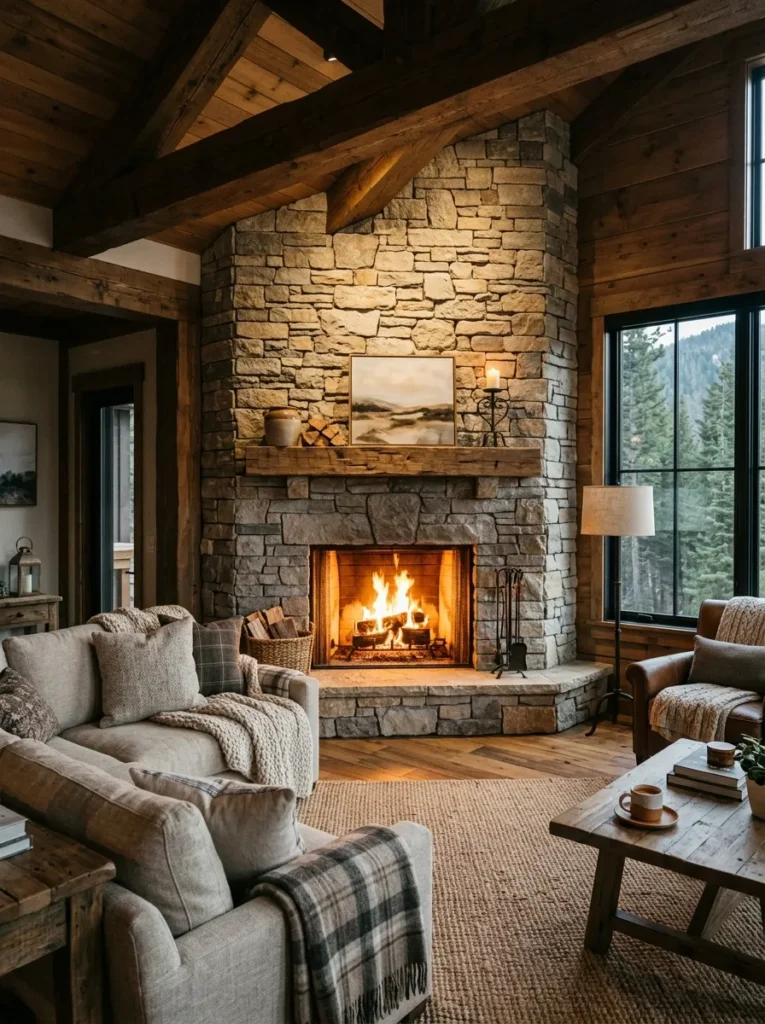
- Brings strong natural texture into small spaces
- Creates grounded, earthy focal point instantly
- Works beautifully with warm neutral palettes
- Adds depth without heavy furniture changes
A stacked stone design brings an immediate sense of grounding and natural texture to even the smallest living rooms. The irregular surfaces catch light in different ways, creating depth that flat walls simply cannot achieve. This style works particularly well in homes that aim for a warm, organic atmosphere without feeling overly rustic. I’ve seen this approach used effectively in modern cabins where balance between nature and comfort is essential. The corner placement ensures it doesn’t dominate the room but still becomes a visually strong and comforting focal point for daily living.
Small spaces often need elements that add character without consuming visual space, and textured stone achieves exactly that. The vertical stacking naturally draws the eye upward, making ceilings feel slightly higher and rooms more open. When combined with soft lighting, the surface texture becomes more pronounced and visually engaging. Designers often recommend pairing it with simple furnishings to avoid visual competition. This allows the stonework to remain the hero of the space while everything else supports it quietly, resulting in a balanced, calming environment that feels both natural and thoughtfully composed.
Vertical Slim Firebox
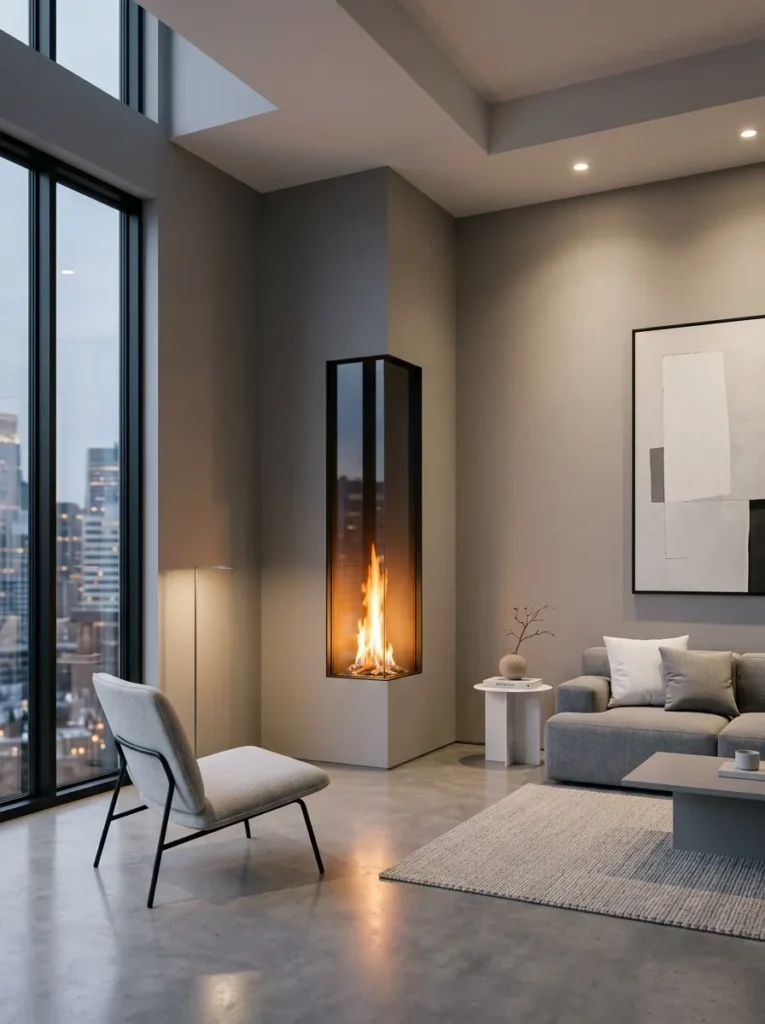
- Saves maximum floor and wall space
- Creates strong vertical visual expansion
- Perfect for ultra-modern small apartments
- Adds sleek architectural drama subtly
A slim vertical firebox is one of the most efficient ways to introduce both warmth and modern design into a small living space. Its tall structure draws the eye upward, which naturally makes the room feel more spacious and elongated. This design is especially effective in apartments where horizontal space is limited. I’ve noticed that vertical fire elements often become subtle statement pieces because they blend simplicity with architectural impact. The clean glass enclosure and narrow proportions ensure the corner remains functional while still acting as a visually striking centerpiece without overwhelming surrounding decor elements.
When working with compact interiors, vertical emphasis is a powerful design trick that helps reshape spatial perception. The elongated flame line creates movement and energy without adding clutter or heaviness to the room. Paired with soft neutral tones and minimal furnishings, the effect becomes even more refined and balanced. Designers often use this approach to create a sense of height in rooms with low ceilings or tight layouts. The result is a sleek, contemporary environment that feels taller, lighter, and more open while still maintaining a cozy and inviting atmosphere.
Hidden Wall Slot
- Keeps walls completely clean and uninterrupted
- Blends seamlessly into modern interior design
- Creates soft ambient warmth without visual bulk
- Ideal for ultra-minimal small living spaces
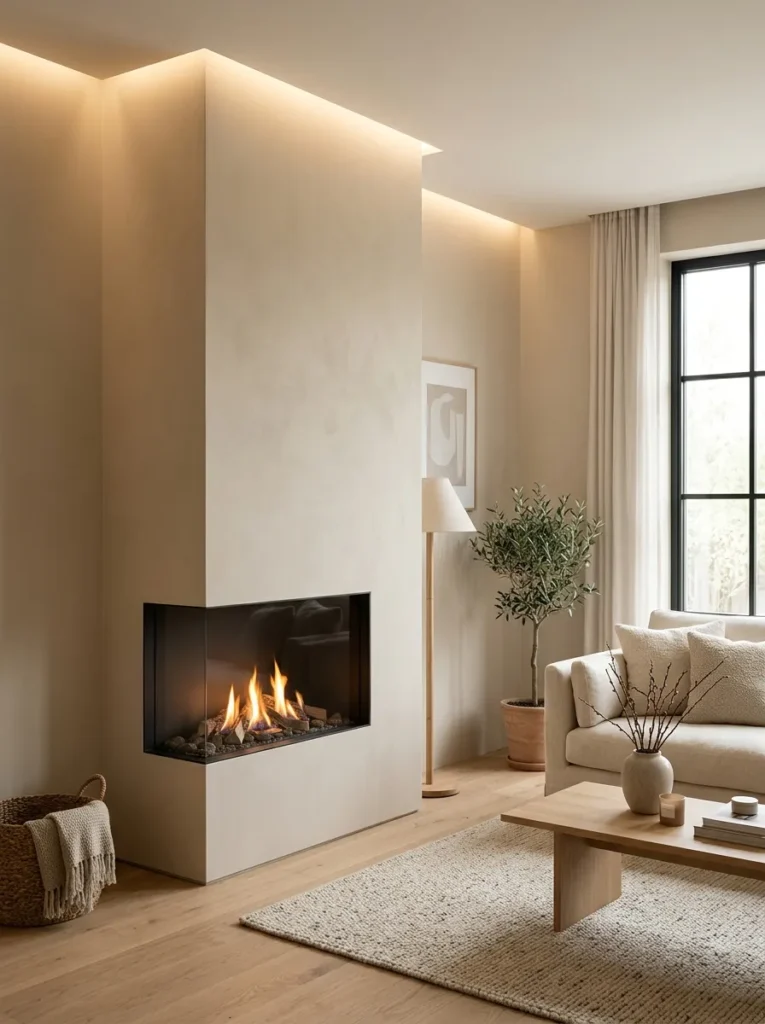
A hidden wall slot design is perfect for small rooms where simplicity and visual calm are the main goals. Instead of acting as a visible structure, it becomes part of the wall itself, blending so smoothly that it feels almost invisible when not in use. This approach is especially effective in minimalist interiors where clutter reduction is essential. I’ve noticed this style works beautifully in modern apartments because it keeps attention on space rather than objects. The soft flame glow adds warmth while maintaining a completely clean and uninterrupted architectural surface that feels peaceful and refined.
In compact interiors, seamless integration can dramatically improve how spacious and organized a room feels. By removing visual edges and framing, the wall appears longer and more continuous, which naturally enhances depth perception. Designers often pair this style with soft indirect lighting to maintain warmth without introducing heaviness. The result is a calming environment where the eye moves effortlessly across surfaces. This makes the entire space feel thoughtfully curated rather than filled. It’s especially effective in modern homes that prioritize simplicity, functionality, and a clutter-free aesthetic for everyday living comfort.
Floating Wood Panel
- Adds warmth through natural wood texture
- Creates vertical structure in tight spaces
- Works beautifully with neutral interiors
- Enhances cozy modern aesthetic balance
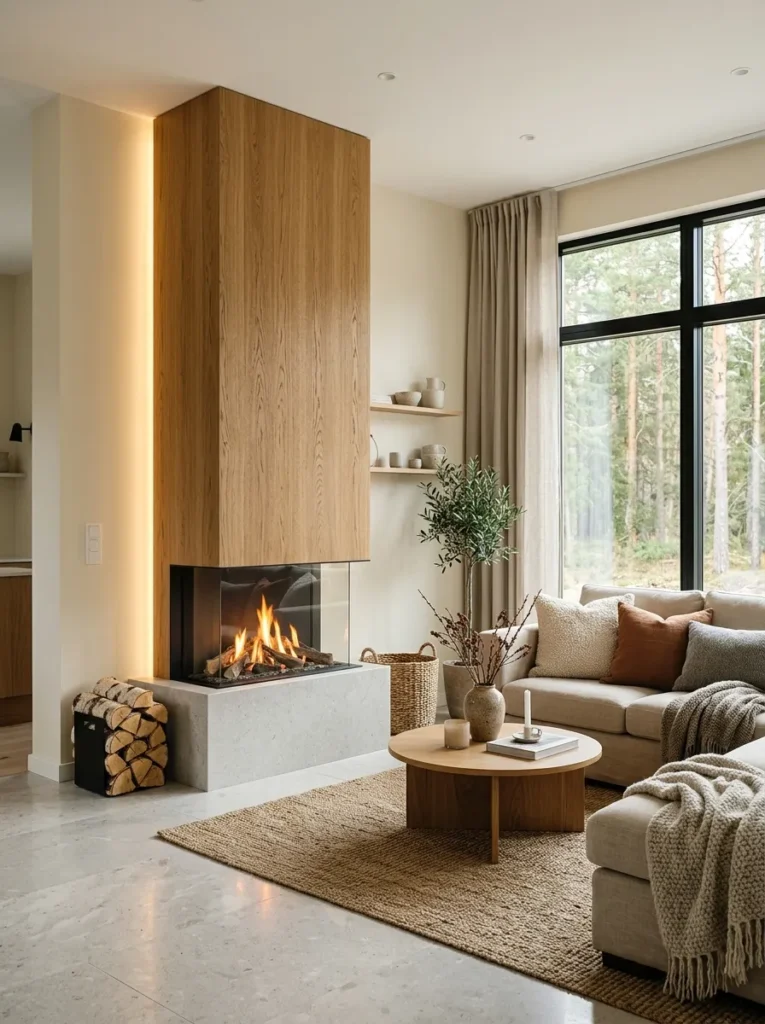
A floating wood panel design brings warmth and softness into compact interiors while still maintaining a strong architectural presence. The vertical grain naturally draws the eye upward, helping smaller rooms feel taller and more balanced. This style works particularly well in homes that lean toward Scandinavian or Japandi aesthetics where natural materials are key. I’ve seen this approach transform plain corners into elegant focal points without overwhelming the space. The combination of wood texture and soft lighting creates a welcoming atmosphere that feels both modern and deeply comforting for everyday living.
Small living rooms often struggle with flat, uninspired walls, and introducing layered wood elements solves that problem beautifully. The floating effect adds depth by separating the panel slightly from the wall, allowing soft lighting to create subtle shadows. This enhances dimension without requiring additional decor. Designers frequently recommend pairing it with light-colored furniture to maintain visual balance. The result is a calm, cohesive environment where natural materials bring harmony. It feels intentionally designed yet effortless, making the corner both functional and visually rich without sacrificing valuable space or simplicity.
Double Corner Angle
- Utilizes two walls for stronger presence
- Creates balanced architectural symmetry
- Enhances depth in tight room layouts
- Works well in modern minimalist homes
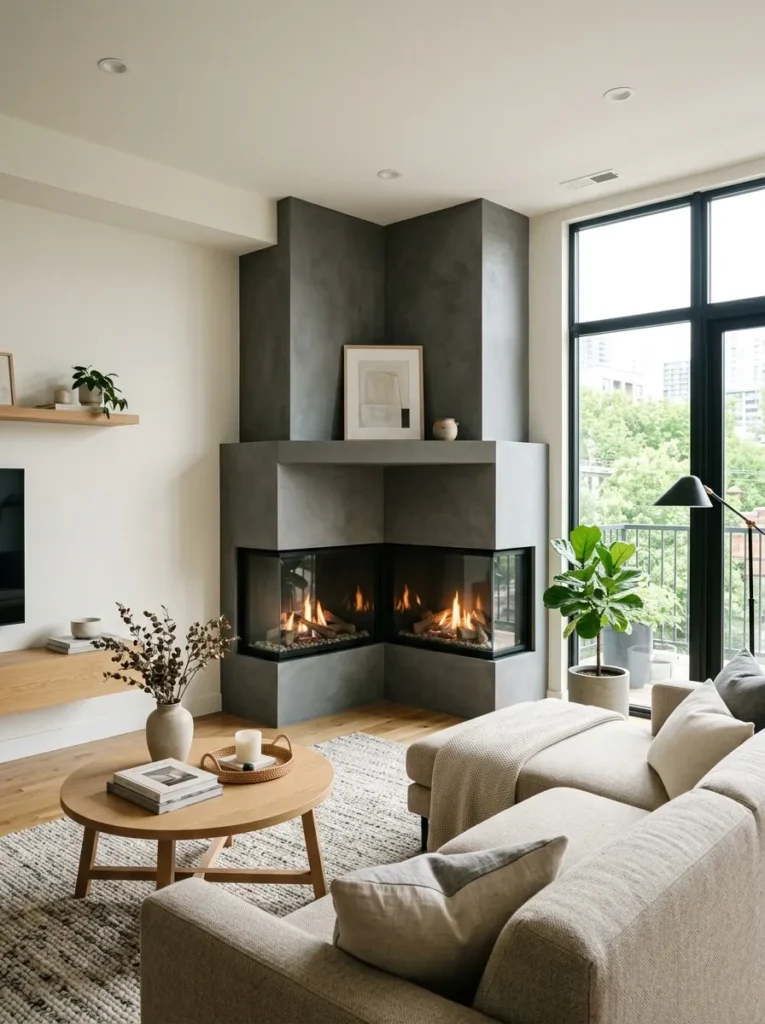
A double corner angle design makes excellent use of underutilized wall space by extending the focal structure across two adjoining surfaces. This creates a more immersive visual effect that feels naturally integrated into the room’s architecture. In smaller spaces, this technique helps distribute visual weight more evenly, preventing one wall from feeling too dominant. I’ve noticed this approach often used in modern homes where balance and symmetry are key design goals. The gentle wraparound effect adds depth and dimension while keeping the overall layout clean, cohesive, and visually stable without introducing unnecessary complexity.
When space is limited, using multiple surfaces strategically can completely change how a room is perceived. The angled extension naturally guides the eye around the corner, making the space feel wider and more fluid. Designers often pair this layout with soft neutral finishes to maintain harmony and avoid visual overload. Subtle lighting along the edges enhances the architectural flow, especially in evening settings. The result is a refined, modern environment where structure and simplicity work together, giving even compact living rooms a sense of openness and thoughtful spatial design that feels naturally comfortable.
Mirror Backdrop Glow
- Visually doubles the sense of space instantly
- Enhances natural and artificial light reflection
- Adds luxury feel without heavy renovation
- Creates soft, glowing ambiance at night
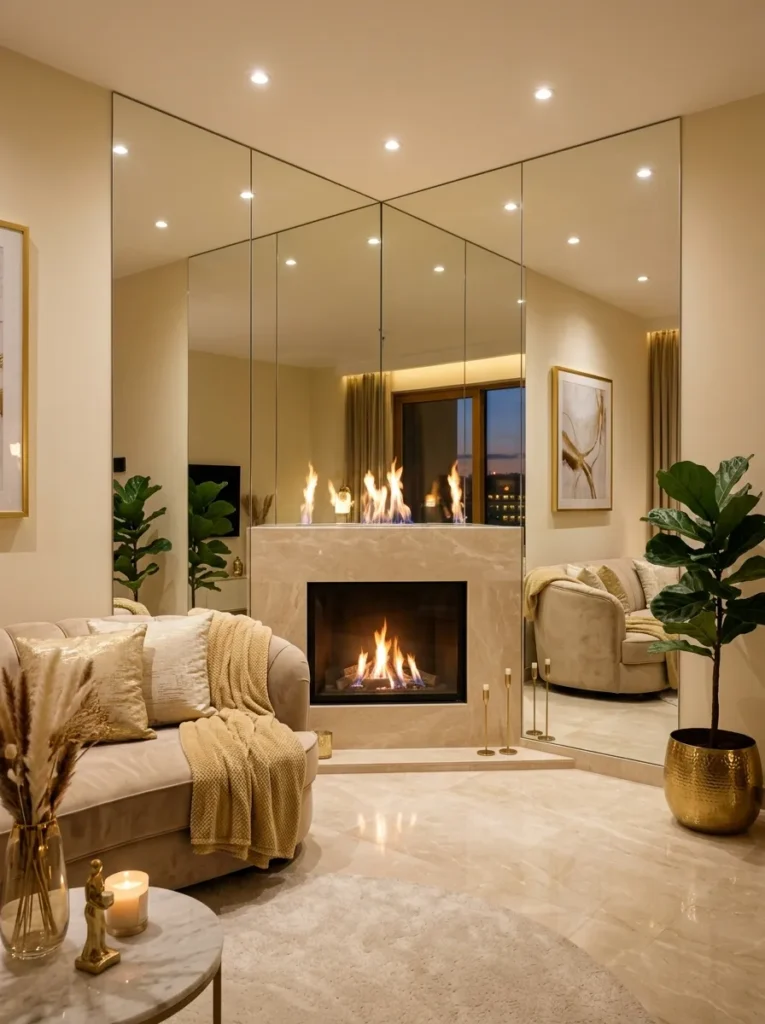
A mirror backdrop behind a corner fire feature is one of the most powerful ways to visually expand a small living space. The reflective surface doubles the flame effect, making the entire corner feel brighter, deeper, and more open. This design works especially well in compact apartments where natural light is limited. I’ve noticed it creates an almost cinematic glow during evening hours, transforming a simple room into a warm, elegant setting. The reflective layer also reduces visual heaviness, allowing furniture and decor to feel lighter and more balanced within the overall composition.
In small interiors, perception matters just as much as physical space, and reflective design elements can completely change how a room feels. The mirrored surface enhances both daylight and artificial lighting, creating a layered brightness that softens corners and edges. Designers often use this technique to introduce subtle luxury without overcrowding the layout. Pairing it with neutral tones ensures the reflection remains clean and sophisticated rather than distracting. The result is a polished, spacious atmosphere where the corner becomes a glowing focal point that enhances both mood and architectural depth naturally.
Built-In Bench Hearth
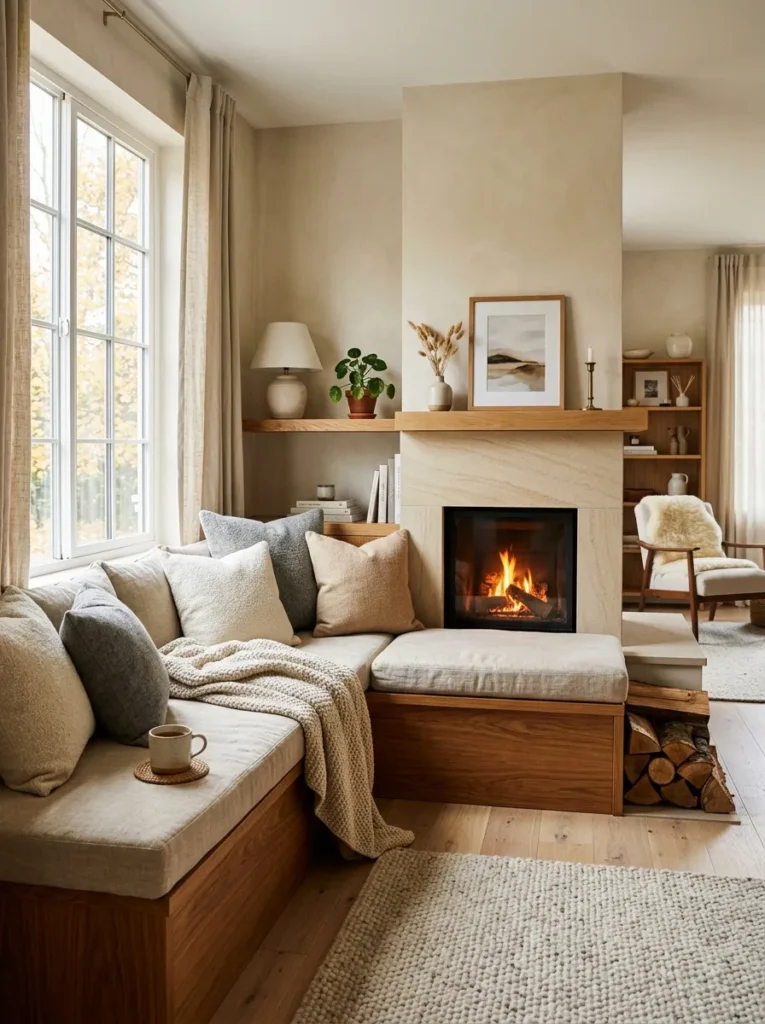
- Maximizes seating in limited floor space
- Combines function and warmth in one zone
- Creates cozy reading or relaxation nook
- Ideal for compact family living rooms
A built-in bench surrounding a corner fire element transforms unused space into a highly functional and inviting seating area. This design is especially valuable in small homes where extra seating is often limited. The integrated structure keeps the layout compact while still providing comfort and warmth in one unified zone. I’ve seen this idea work beautifully in family homes where gathering spaces need to feel intimate yet efficient. Soft cushions and natural textures make the bench feel welcoming, turning the corner into a cozy retreat that encourages relaxation and everyday use.
Small interiors benefit greatly from multifunctional design, and combining seating with architectural elements is one of the smartest solutions. The wraparound bench naturally defines the corner without requiring additional furniture, freeing up valuable floor space. Designers often recommend using soft, neutral fabrics to keep the area visually light and comfortable. The result is a balanced environment where function meets comfort seamlessly. It becomes a natural gathering spot for reading, conversations, or quiet evenings, adding both emotional warmth and practical utility to compact living rooms without overwhelming the overall design.
Industrial Metal Grid

- Adds bold industrial character instantly
- Creates structured architectural framing effect
- Works well with raw, urban materials
- Enhances contrast in neutral interiors
An industrial metal grid frame introduces a strong architectural identity into small living spaces without taking up physical volume. The structured lines create a sense of order and definition, which helps organize the visual layout of the room. This style works particularly well in loft apartments or urban interiors that embrace raw materials. I’ve noticed that combining metal framing with warm flame tones creates a striking contrast that feels both edgy and inviting. The result is a bold focal point that enhances character while maintaining a surprisingly balanced and functional design presence.
In compact interiors, contrast plays a key role in preventing monotony, and industrial framing achieves this effortlessly. The grid structure naturally divides space visually while still allowing openness and airflow. Designers often pair this style with wood or leather elements to soften the industrial edge and create warmth. This balance ensures the room feels livable rather than harsh or overly mechanical. The final effect is a well-defined corner that anchors the space, giving it personality and structure while still preserving the openness and simplicity needed for smaller living environments.
Curved Plaster Wrap
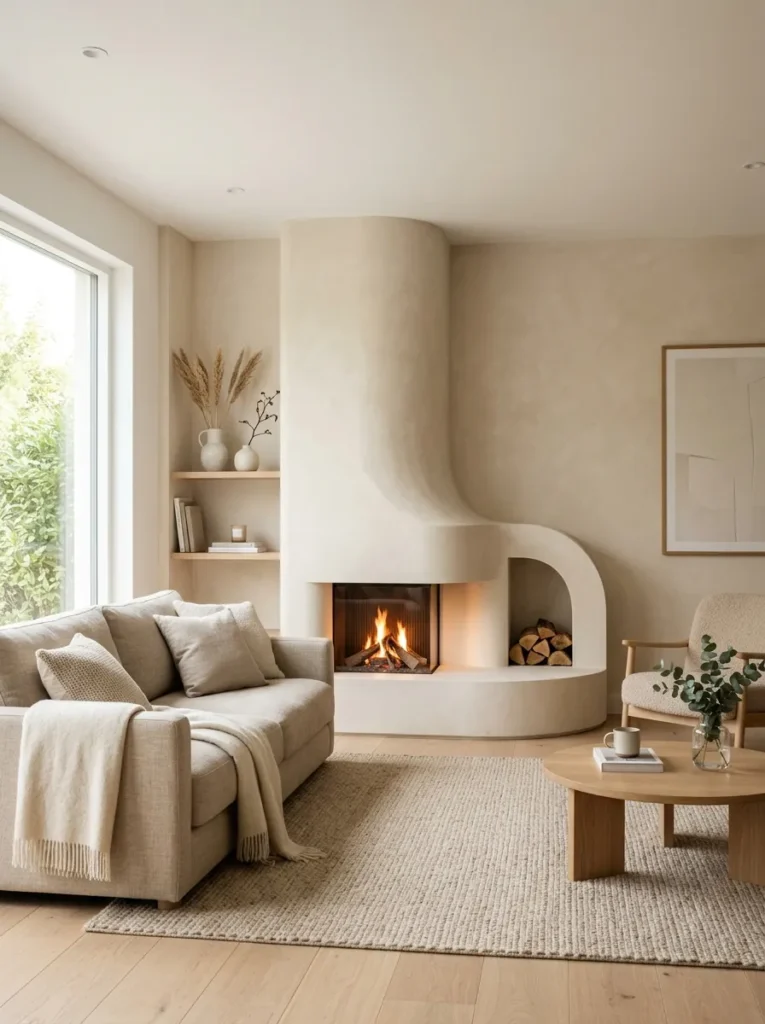
- Softens sharp room edges visually
- Creates smooth, flowing architectural movement
- Works beautifully in minimalist interiors
- Adds subtle sculptural elegance to corners
A curved plaster wrap is one of the most elegant ways to soften a compact living space while still creating a strong focal point. Instead of harsh angles, the rounded surface introduces gentle movement that makes the entire room feel calmer and more organic. This approach works especially well in modern minimalist homes where simplicity is key. I’ve noticed that curved architecture naturally reduces visual tension, allowing smaller rooms to feel more breathable and fluid. The soft plaster finish blends seamlessly with walls, creating a continuous surface that feels sculptural yet understated in everyday living environments.
In small interiors, reducing visual fragmentation is essential for creating a sense of openness, and curved surfaces help achieve that effortlessly. The flowing design guides the eye smoothly around the corner, eliminating abrupt transitions that can make a room feel tight. Designers often pair this style with soft neutral palettes to enhance its calming effect. Subtle lighting along the curve adds depth without introducing clutter. The result is a serene, gallery-like atmosphere where the corner becomes a sculptural feature that enhances both spatial harmony and modern aesthetic appeal.
Double Glass Corner
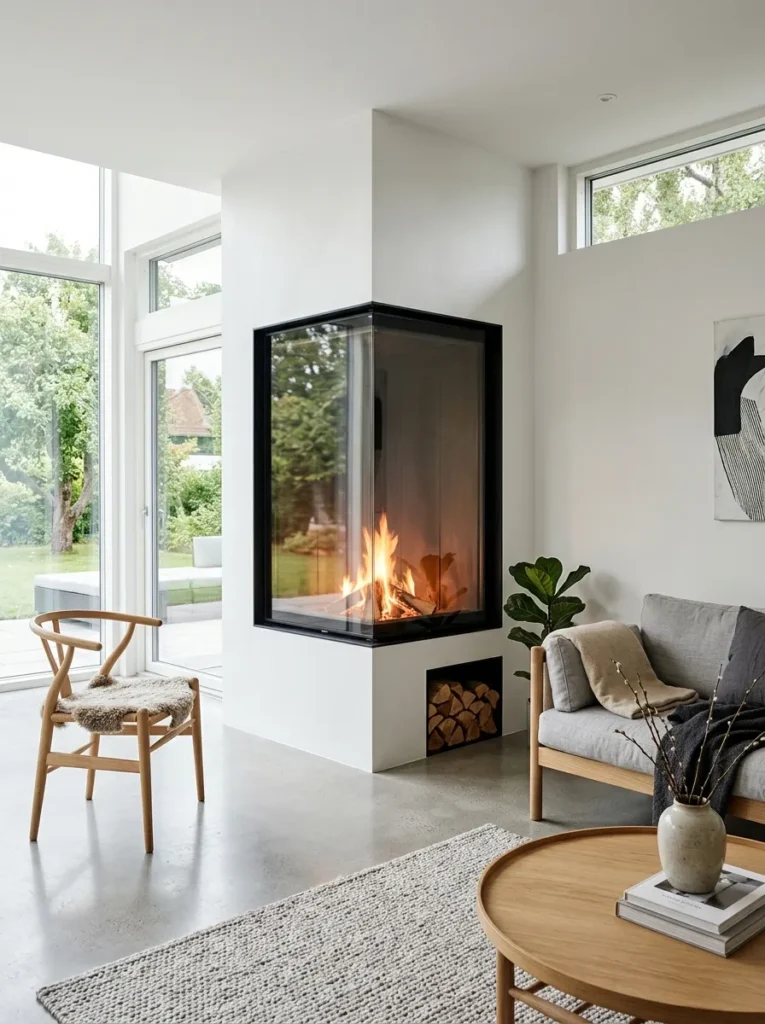
- Maximizes transparency from multiple viewing angles
- Keeps space visually light and open
- Enhances modern architectural sophistication
- Perfect for compact luxury apartments
A double glass corner design creates a striking visual effect by allowing flames to be viewed from two different angles, making the feature feel more immersive. This approach is especially effective in small spaces because it maintains complete transparency while still offering a strong focal point. I’ve seen this design used in modern apartments where openness is a priority, and it consistently makes rooms feel larger than they actually are. The clean glass panels reflect light beautifully, enhancing brightness and ensuring the corner never feels heavy or visually blocking.
In compact interiors, maintaining sightlines is crucial, and transparent designs help preserve that open feeling throughout the space. The dual-angle glass structure ensures the fireplace becomes a shared visual element across the room rather than a single-wall feature. Designers often recommend pairing it with minimal decor to avoid visual distraction. Soft neutral tones and clean furniture lines enhance the effect even further. The result is a sophisticated, airy environment where light flows freely, and the corner becomes a refined centerpiece that supports both functionality and modern aesthetic balance.
Rustic Beam Frame
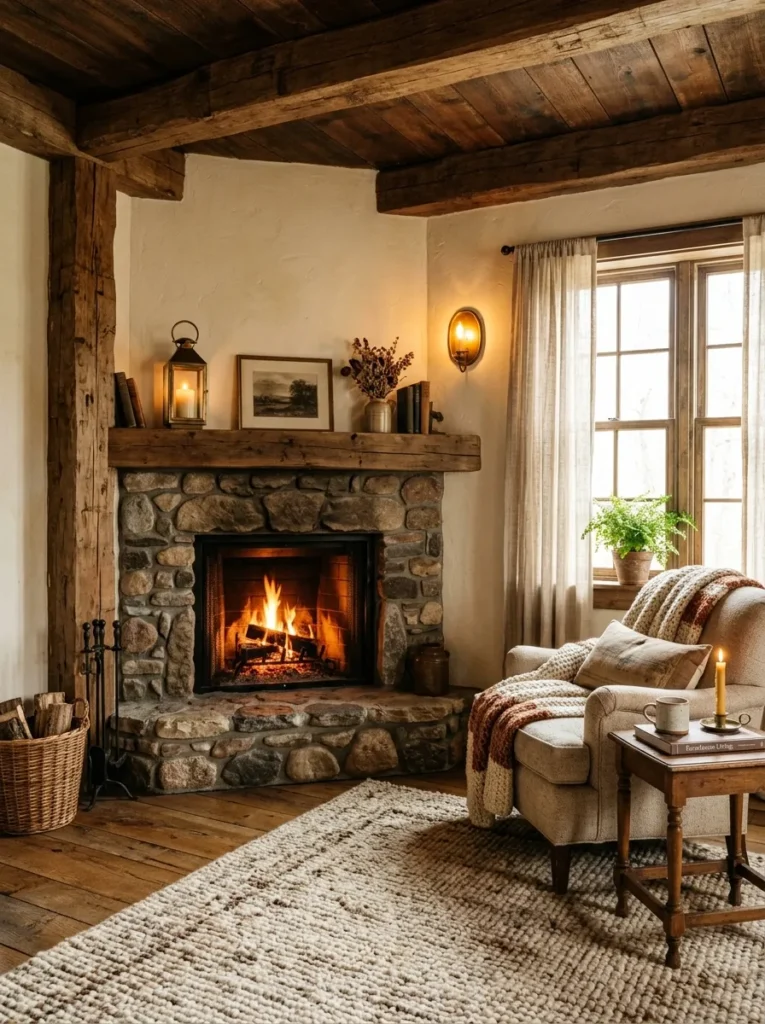
- Adds structural warmth with natural wood
- Frames corner with cozy architectural detail
- Works well in rustic or farmhouse styles
- Creates inviting and homely atmosphere
A rustic beam frame adds immediate warmth and architectural definition to a compact living space by introducing natural wood structure around the corner feature. The exposed beams create a grounded, cozy feeling that makes the room feel more inviting and lived-in. This style is especially popular in farmhouse and cottage-inspired interiors where natural materials take center stage. I’ve noticed that wooden framing helps visually organize small spaces by clearly defining zones without adding clutter. The rich texture of wood contrasts beautifully with soft walls, creating depth and character that feels timeless and comforting in everyday living.
In small interiors, combining structure with warmth is key, and rustic beams achieve this balance effortlessly. The natural wood lines guide the eye toward the corner while still maintaining an open and relaxed atmosphere. Designers often pair this look with stone or neutral plaster to avoid overwhelming the space. Soft lighting enhances the grain of the wood, adding depth during evening hours. The result is a cozy, layered environment where the corner becomes a natural gathering point, offering both visual strength and emotional comfort within a compact and functional layout.
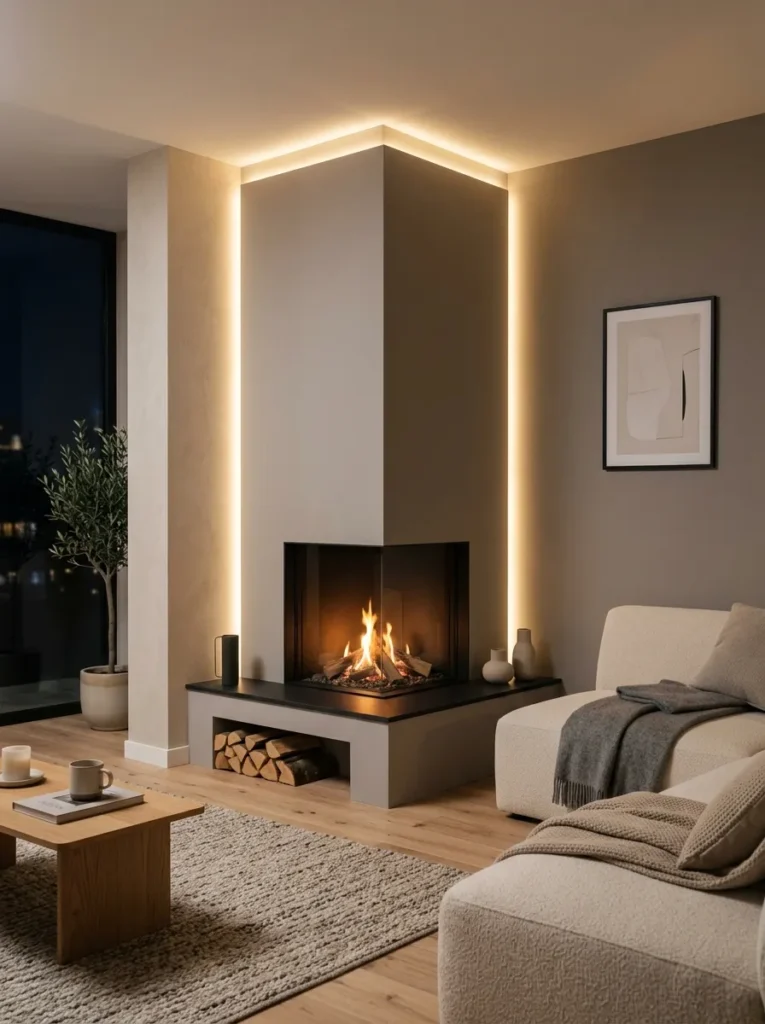
Hidden LED Cove
- Adds soft ambient glow without visible fixtures
- Enhances depth and architectural layering
- Makes small rooms feel more dimensional
- Works perfectly in modern minimalist homes
A hidden LED cove design is one of the most effective ways to elevate a compact living space without adding visual clutter. The soft indirect lighting gently outlines the corner feature, creating a floating glow effect that feels modern and calming. This approach works especially well in small apartments where harsh lighting can overwhelm the space. I’ve noticed that indirect illumination helps reduce visual stress while making architectural elements stand out naturally. The warm light blends with the flame effect, producing a layered ambiance that feels both cozy and visually expansive throughout the entire room.
In small interiors, lighting design can completely transform spatial perception, and cove lighting is a perfect example of this principle. By hiding the light source, the room gains a soft diffusion that smooths out edges and enhances depth. Designers often pair this technique with neutral finishes to maintain balance and avoid visual noise. The result is a seamless environment where light feels integrated into the architecture itself. This creates a refined, modern atmosphere that feels larger, more open, and emotionally comforting, especially during evening hours when ambient glow becomes the main visual feature.
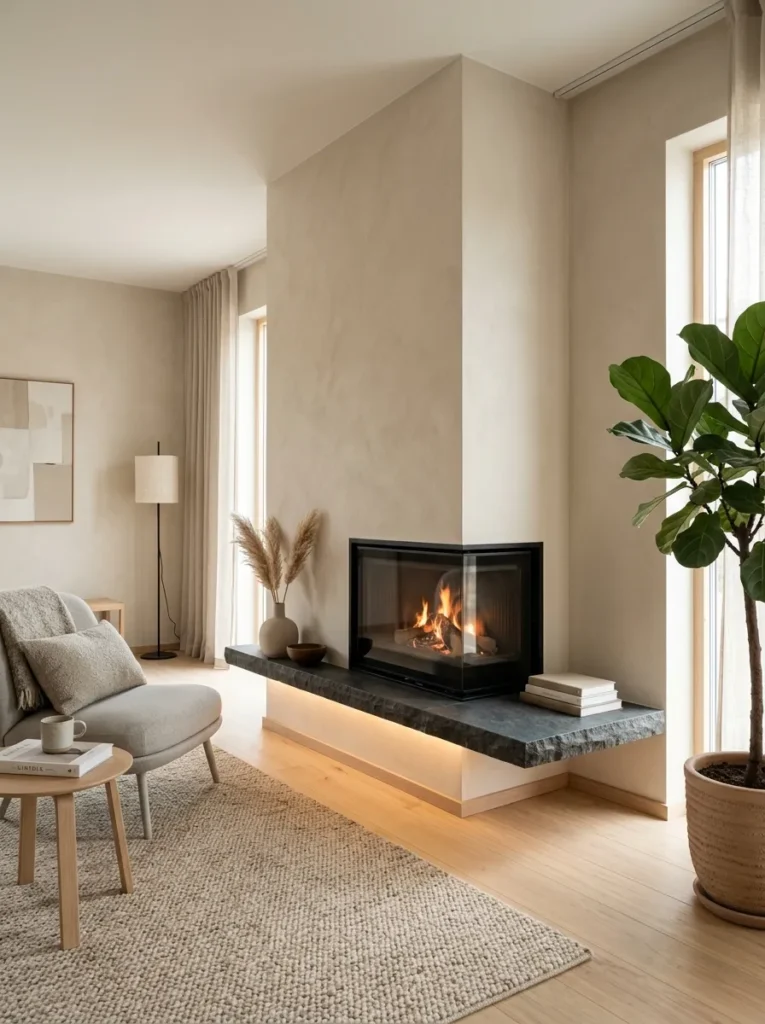
Floating Hearth Shelf
- Adds functional display space without clutter
- Keeps floor area visually open and light
- Enhances minimalist and modern aesthetics
- Creates balanced architectural layering effect
A floating hearth shelf introduces both function and style into a small living space by providing a subtle surface for decor while keeping the floor visually open. This design works particularly well in compact interiors where storage and display areas are limited. The elevated structure creates a sense of lightness that prevents the corner from feeling heavy or overcrowded. I’ve noticed this approach is often used in modern minimalist homes where every design element must serve multiple purposes. The shelf adds quiet structure while maintaining a clean and breathable atmosphere throughout the room.
In small spaces, layered simplicity is often more effective than heavy decoration, and a floating shelf achieves exactly that balance. It allows homeowners to style the corner with minimal accessories like candles, books, or small plants without overwhelming the visual flow. Designers frequently recommend keeping decor sparse to preserve openness and clarity. The result is a functional yet elegant focal point that supports both practicality and aesthetics. This subtle layering effect makes the entire corner feel intentional, refined, and well-proportioned, enhancing the overall harmony of compact living room layouts.
Conclusion
These ideas show how powerful a well-designed corner fireplace can be in transforming even the smallest living spaces. Whether you prefer modern minimalism, rustic charm, or bold architectural styles, there’s a look that can completely reshape your room’s mood and function. The right design brings warmth, balance, and personality without overwhelming your layout.
If you’re planning a home refresh, start small and experiment with one idea at a time. Save this guide on Pinterest so you can revisit it later, and share it with someone who loves cozy, stylish interiors. A corner fireplace might be the simple change that makes your whole space feel brand new.