21 Minimalist Living Room Ideas for Effortless Style
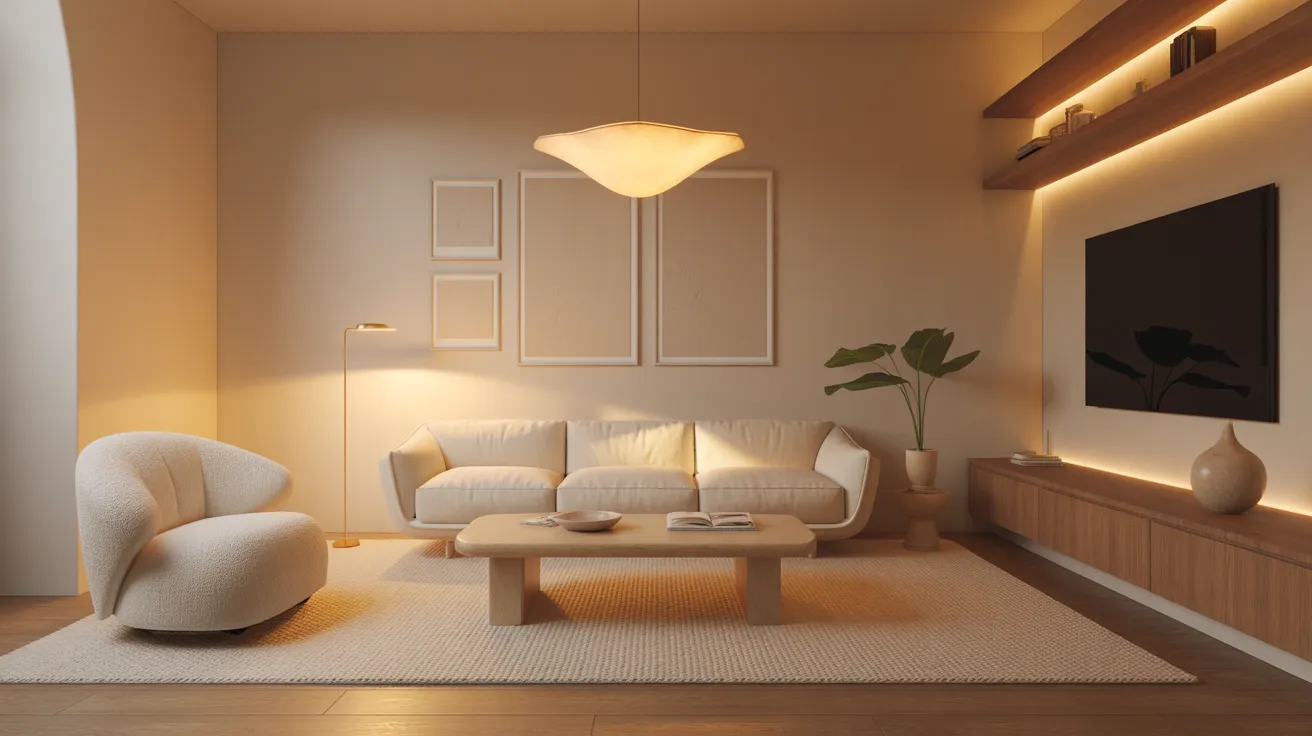
A beautiful living room doesn’t need more stuff, It often needs less, styled with intention. These minimalist living room ideas can help you create a space that feels lighter, calmer, and effortlessly stylish.
Whether your room feels crowded, lacks personality, or simply needs a fresh direction, the right combination of furniture, texture, lighting, and thoughtful decor can make a noticeable difference. This collection focuses on practical ideas you can actually use, from warm wood accents and soft rugs to hidden storage, natural greenery, and carefully chosen focal pieces. In my experience, even one small change can make a room feel surprisingly more open and comfortable. As you explore these ideas, look for details that suit your lifestyle, space, and personal taste.
Neutral Layered Seating
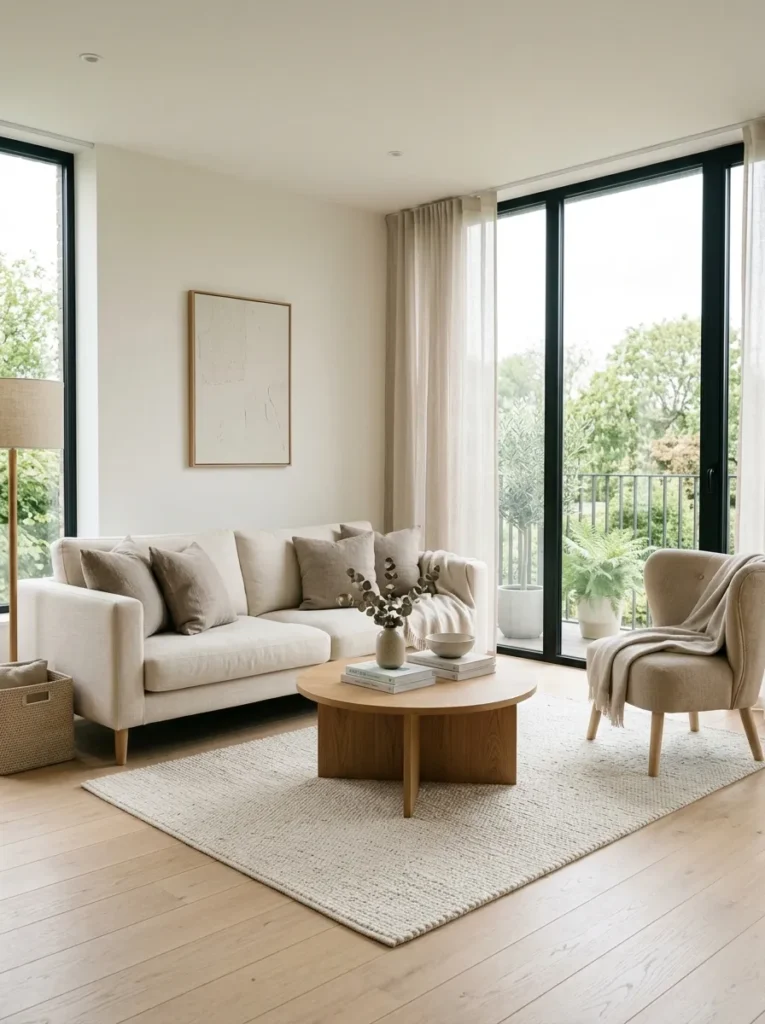
- Layer beige, cream, and soft taupe tones for a calm foundation.
- Choose one streamlined sofa and keep surrounding furniture visually light.
- Add texture through cushions, a woven rug, and subtle upholstery.
- Keep accessories limited so the seating remains the room’s focal point.
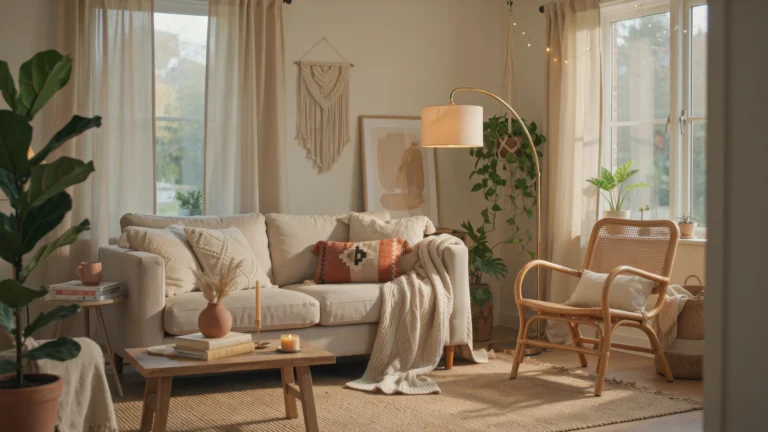
A calm seating arrangement can instantly make a room feel more spacious and polished. Start with a streamlined sofa in cream, beige, or warm gray, then add one simple accent chair rather than several bulky pieces. A low-profile coffee table keeps sightlines open, while a textured rug quietly defines the seating area. I’ve noticed that mixing slightly different neutral shades prevents a minimalist room from looking flat or unfinished. The result feels comfortable without becoming crowded. Soft cushions, natural fabrics, and carefully spaced furniture create an inviting layout that looks thoughtfully designed while remaining wonderfully easy to maintain.
The beauty of this approach is how easily it adapts to real homes and changing tastes. Instead of buying an entire matching furniture set, choose a few pieces with similar proportions and complementary tones. Keep the sofa facing the main focal point, such as a television, fireplace, or window, and leave enough walking space around it. These simple decisions make minimalist living room ideas feel practical rather than overly styled. When everything has breathing room, the eye can appreciate individual textures and shapes. Even a small living room can appear brighter, wider, and more organized with this balanced seating arrangement.
Low Profile Furniture
- Choose sofas, tables, and cabinets with clean, low silhouettes.
- Keep furniture visually grounded without making the room feel heavy.
- Leave more wall and window space visible above major pieces.
- Use simple forms to create a relaxed, contemporary appearance.
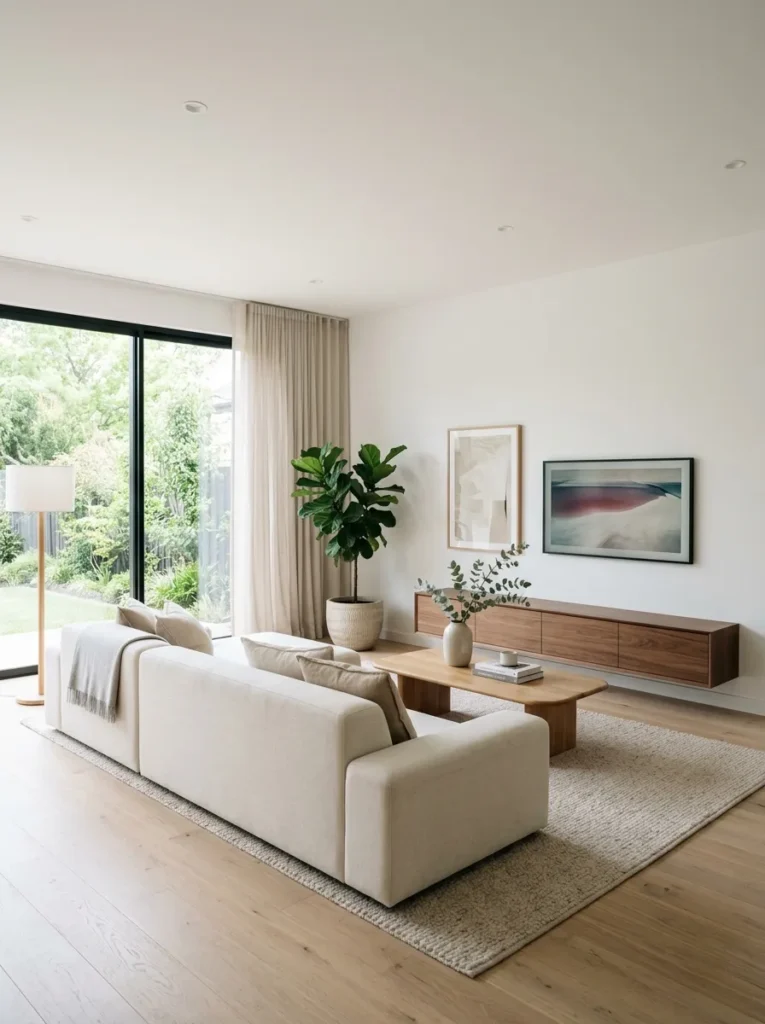
Sometimes the easiest way to make a living room feel larger is to lower the furniture. A low sofa, streamlined coffee table, and compact media console create generous visual space above each piece. This makes ceilings appear taller and allows windows, artwork, or architectural details to stand out. Choose furniture with simple horizontal lines and avoid oversized arms or ornate legs that interrupt the clean look. In my experience, low-profile pieces work especially well in smaller rooms because they reduce visual weight. The room feels calmer, more open, and easier to move through without sacrificing everyday comfort.
Low furniture also creates a strong foundation for effortless styling. Place a large rug beneath the main seating group, then keep the coffee table centered and accessible. A low cabinet can provide useful storage while maintaining the room’s streamlined appearance. If you have children or pets, rounded edges and sturdy materials can make the setup more practical without compromising its simplicity. Natural wood, linen, boucle, and matte finishes add warmth without visual clutter. Among minimalist living room ideas, this arrangement stands out because it improves both proportions and function, helping ordinary furniture feel intentional and sophisticated.
Warm Wood Accents
- Introduce natural wood to soften an otherwise pale room.
- Use one or two wooden pieces instead of filling every surface.
- Combine oak, walnut, or ash with neutral upholstery and walls.
- Let visible grain provide warmth and natural visual texture.
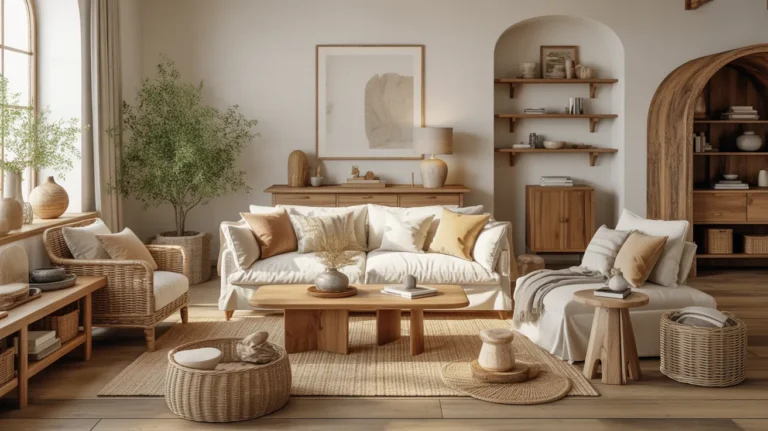
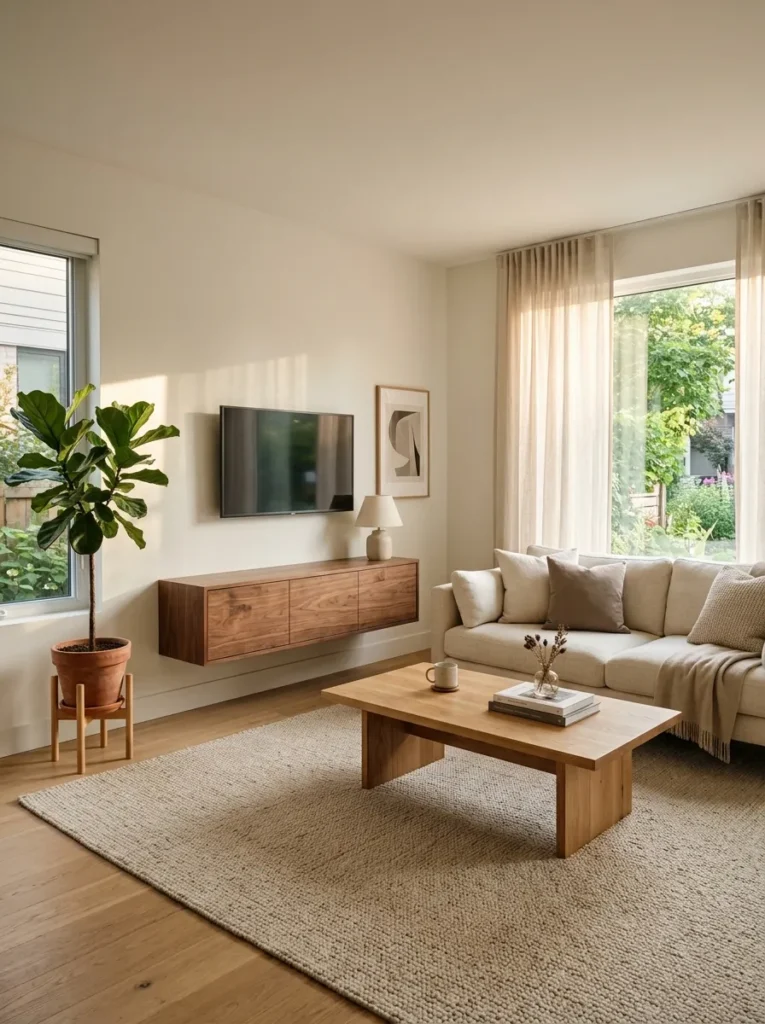
A touch of natural wood can completely change the feeling of a minimalist room. Pale oak brings a fresh Scandinavian quality, while walnut adds deeper warmth and contrast. Try using wood for a coffee table, media console, side table, or shelving rather than adding several decorative objects. The natural grain becomes part of the decoration. I’ve seen this work particularly well in rooms dominated by white, cream, or gray because wood prevents the space from feeling cold. The combination feels grounded and welcoming while preserving the clean lines that make minimalist interiors so appealing.
You do not need matching wood throughout the room to create a cohesive look. Instead, repeat similar undertones and pair them with soft textiles such as linen, cotton, wool, or boucle. A wooden coffee table beside a neutral sofa can provide enough warmth without overwhelming the layout. Keep the tabletop mostly clear, perhaps with one ceramic vase or a small stack of books. This restrained approach gives the material room to stand out. For anyone exploring minimalist living room ideas, warm wood is an easy upgrade that adds personality, comfort, and visual depth without creating unnecessary clutter.
Soft Textured Rug
- Choose a simple rug to visually anchor the seating area.
- Favor wool, cotton, or subtle woven textures over busy patterns.
- Keep the rug large enough to connect the main furniture pieces.
- Use gentle neutral tones for a cohesive, uncluttered finish.
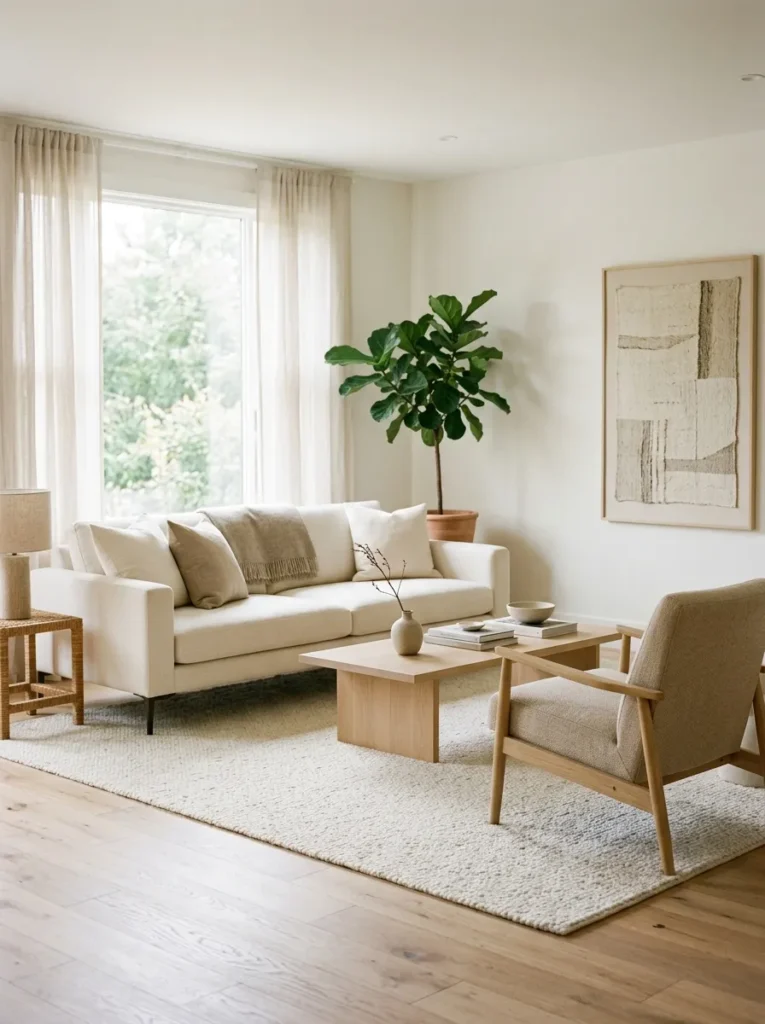
A beautiful rug can make a minimalist room feel finished without adding visual noise. Choose a soft wool, cotton, or woven design in ivory, sand, beige, or light gray, then place it beneath the main seating group. Ideally, the front legs of the sofa and chairs should rest on the rug so the furniture feels connected rather than scattered. A subtle texture adds depth that plain floors sometimes lack. I’ve noticed that this small change can make an otherwise sparse room feel warmer and more comfortable while preserving the open, uncluttered character that defines successful minimalist interiors.
Size matters just as much as color when choosing a rug for a pared-back space. A rug that is too small can make furniture appear disconnected, while an appropriately sized piece creates a clear visual zone for relaxing. Leave a comfortable border of visible flooring around the rug so the room retains its sense of openness. If your sofa and walls are already neutral, choose a slightly darker or textured rug for gentle contrast. This is one of those minimalist living room ideas that improves both appearance and function, giving your seating area softness, definition, and a more intentional overall layout.
Statement Pendant Light
- Use one sculptural pendant as the room’s main decorative feature.
- Choose a simple shape that complements the furniture’s clean lines.
- Hang it where it provides balanced illumination without dominating the space.
- Pair the fixture with restrained decor elsewhere in the room.
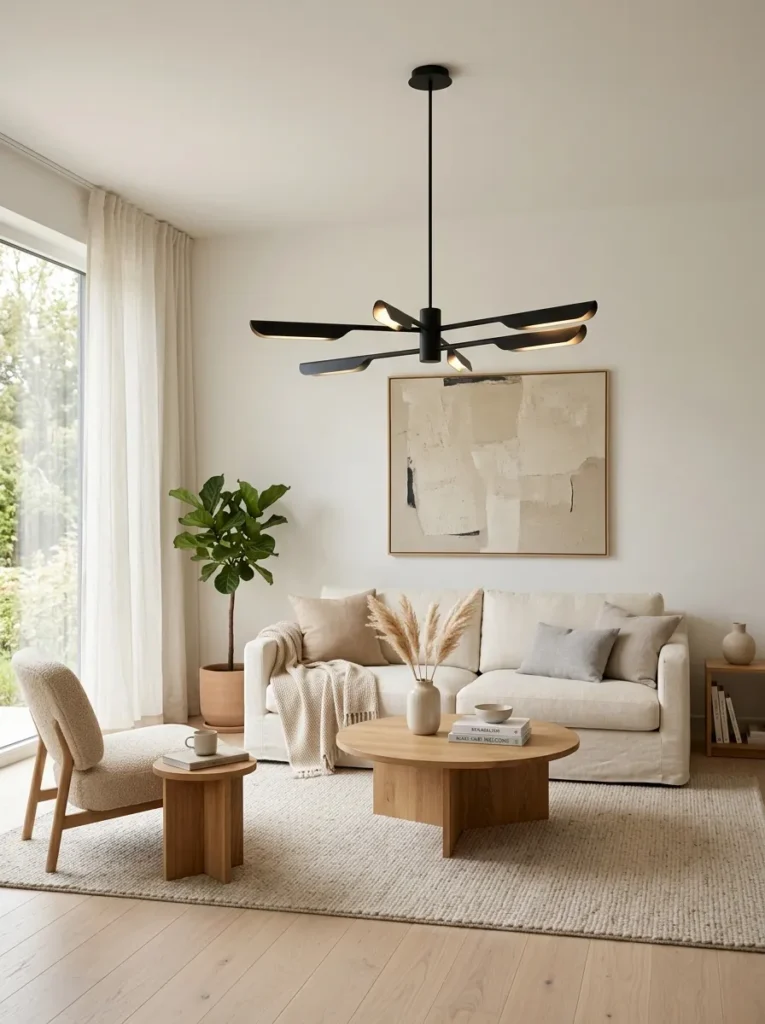
A single statement pendant can give a simple living room a strong focal point without filling the space with decoration. Look for a sculptural fixture in matte black, warm metal, frosted glass, or natural fiber, depending on the room’s palette. Hang it centrally over the seating or coffee table area, keeping its scale proportional to the room. The fixture should attract attention through shape rather than excessive detail. Soft ambient lighting also makes neutral furniture and natural textures appear richer. The result is a polished room where one carefully chosen element provides personality while everything around it remains visually calm.
The key is restraint: when the ceiling fixture has character, let it do most of the decorative work. Keep nearby surfaces relatively clear and use warm-toned bulbs to create a comfortable evening atmosphere. If the room receives plenty of daylight, select a pendant that still looks attractive when switched off. I’ve noticed that sculptural lighting works especially well in simple interiors because it adds vertical interest without taking up valuable floor space. For smaller homes, this approach can deliver a designer feel while maintaining clear pathways, open sightlines, and the effortless simplicity associated with modern minimalist decorating.
Floating Media Console
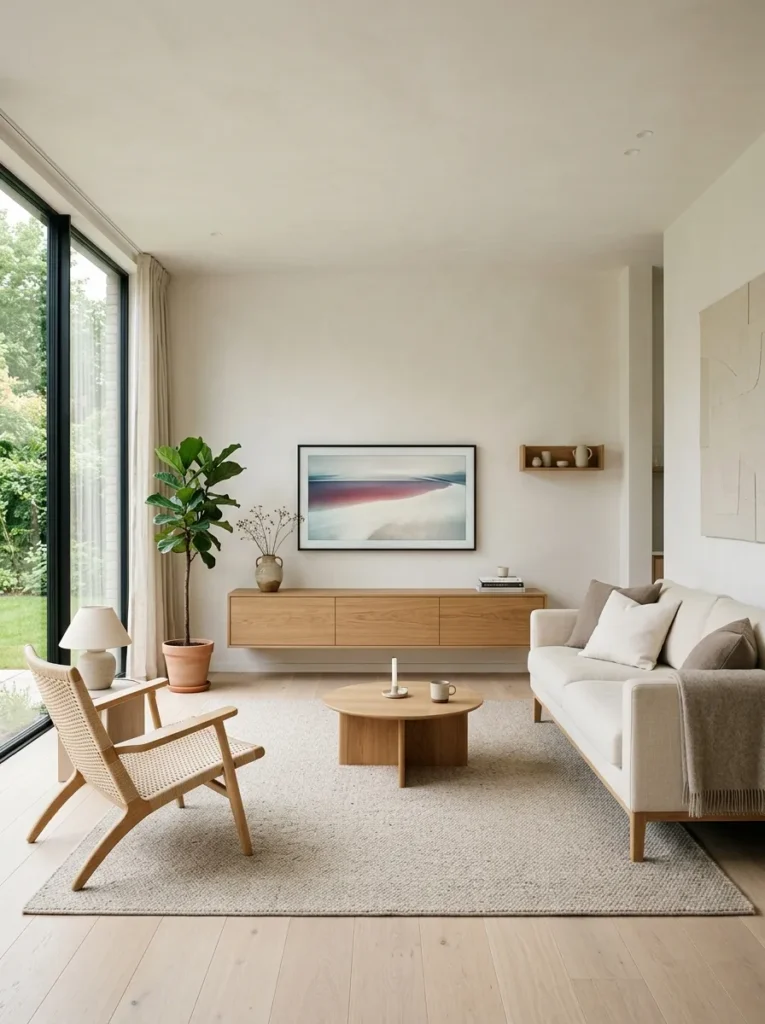
- Mount a streamlined cabinet to keep the floor visually open.
- Hide electronics, remotes, and cables behind closed storage.
- Choose a finish that blends naturally with the surrounding palette.
- Keep the surface lightly styled instead of filling every inch.
A floating media console creates an instant sense of openness because the cabinet appears to hover above the floor. Mount a simple wood, white, or matte-finish unit beneath the television, leaving enough space underneath for the flooring to remain visible. This exposed area makes cleaning easier and reduces visual heaviness. Closed compartments can conceal gaming devices, remotes, cables, and other everyday clutter. In my experience, hidden storage is one of the most useful upgrades in a minimalist home because it lets the room stay visually calm even when real life gets busy.
For the cleanest result, choose a console that is wider than the television and proportionate to the wall. Keep the cabinet surface mostly empty, perhaps adding one small ceramic object or a low plant for warmth. Route cables neatly through the wall or use discreet cable management so technology does not become the focal point. This setup works particularly well in modern apartments and smaller living rooms where floor space is limited. By combining practical storage with a lightweight silhouette, the arrangement keeps entertainment essentials accessible while preserving the uncluttered appearance that makes simple interiors feel spacious and intentional.
Monochrome Palette
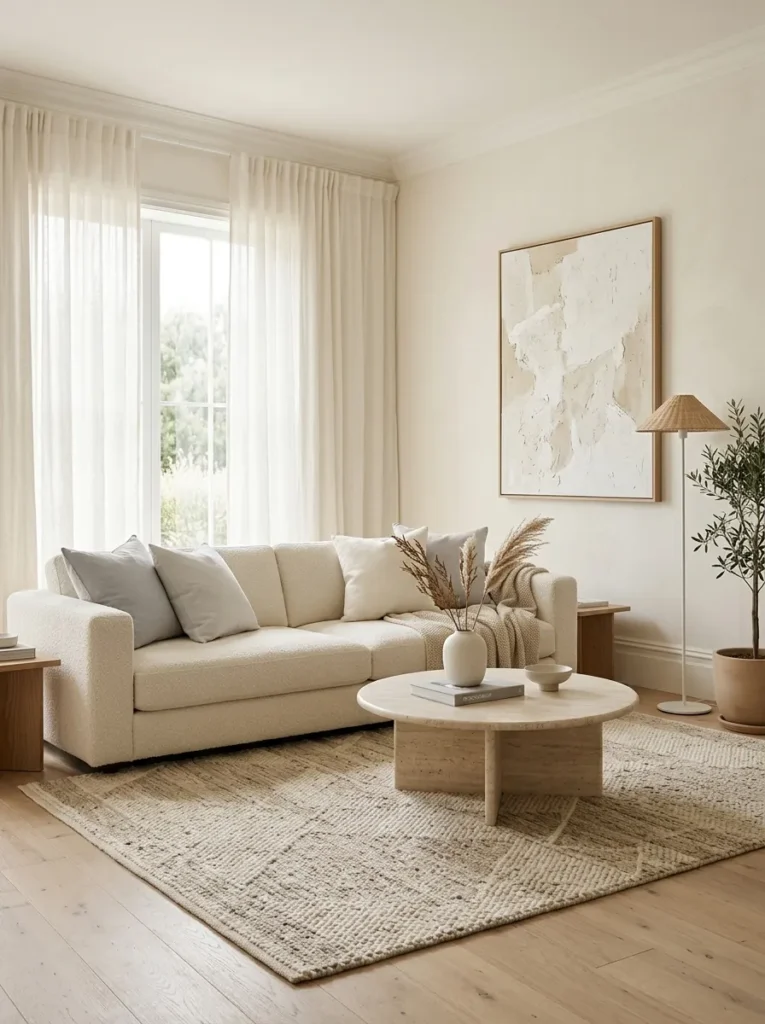
- Build the room around two or three closely related shades.
- Mix warm whites, soft grays, or muted taupes for subtle contrast.
- Add texture so the limited palette does not feel flat.
- Keep larger furniture pieces within the same tonal family.
A limited color palette can make a living room look instantly calmer and more cohesive. Instead of combining many competing shades, choose two or three closely related colors and repeat them across the sofa, rug, curtains, and accessories. Warm white with beige creates softness, while gray and ivory offer a slightly cooler appearance. The secret is variation in texture rather than extra color. Linen, wool, ceramic, and wood can all bring dimension to the same palette. I’ve noticed that this approach makes decorating easier because new pieces are less likely to clash with what you already own.
A monochrome scheme does not mean everything needs to match perfectly. Slight differences in tone keep the room interesting while maintaining visual harmony. For example, pair an ivory sofa with a warmer beige rug and pale gray cushions, then introduce natural wood for subtle contrast. Keep decorative objects sparse and let the changing textures do the visual work. This creates a refined setting that photographs beautifully for Pinterest while remaining comfortable for everyday living. When the colors are connected, even different furniture styles can feel intentional, helping the entire room appear larger, quieter, and more thoughtfully arranged.
Hidden Storage
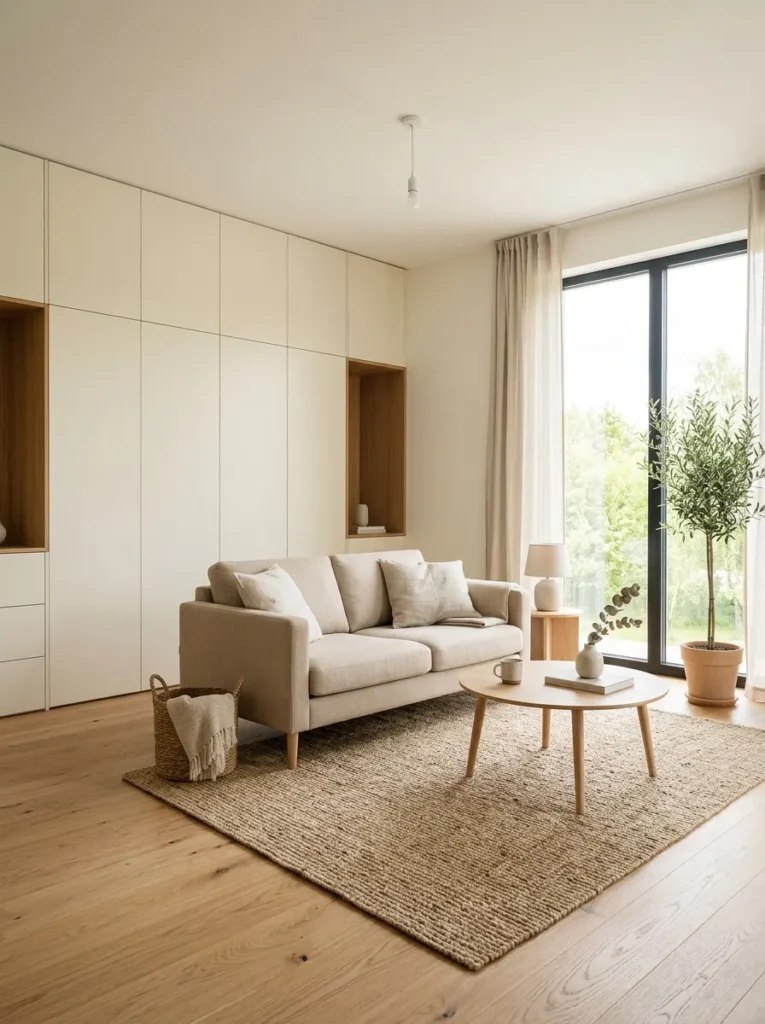
- Choose cabinets with doors to conceal everyday household clutter.
- Use built-in shelving for items that need regular access.
- Keep frequently used essentials organized inside dedicated compartments.
- Leave visible surfaces mostly clear for a cleaner appearance.
Nothing makes a simple living room feel cluttered faster than too many everyday objects left in sight. Hidden storage solves this problem by giving books, electronics, blankets, toys, and miscellaneous items a dedicated place behind closed doors. Choose a streamlined cabinet, built-in unit, or storage ottoman that blends with the room rather than demanding attention. In my experience, this is especially helpful in busy homes where completely empty surfaces are unrealistic. When the mess has somewhere convenient to go, maintaining a polished room becomes much easier and less stressful.
Think about what usually collects on your coffee table, sofa, or media console, then design storage around those habits. A basket inside a cabinet can hold blankets, while drawers can organize chargers and remote controls. Closed shelving is useful for less attractive essentials, while a few open shelves can display carefully chosen pieces. The goal is not to hide everything but to control what remains visible. These practical choices make minimalist living room ideas much easier to maintain, creating a room that looks peaceful in photographs and still functions comfortably during ordinary, lived-in days.
Natural Greenery
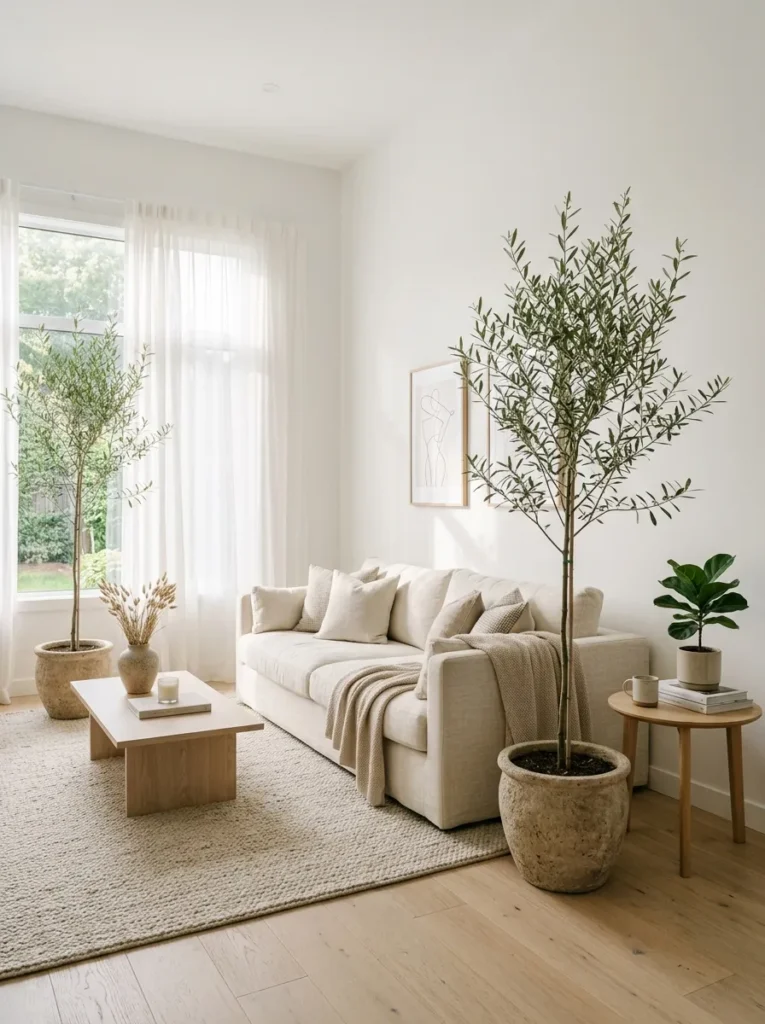
- Add one or two plants to bring life into a restrained interior.
- Choose simple pots in ceramic, stone, or natural terracotta.
- Place greenery where it adds height without blocking movement.
- Select low-maintenance varieties for easier everyday care.
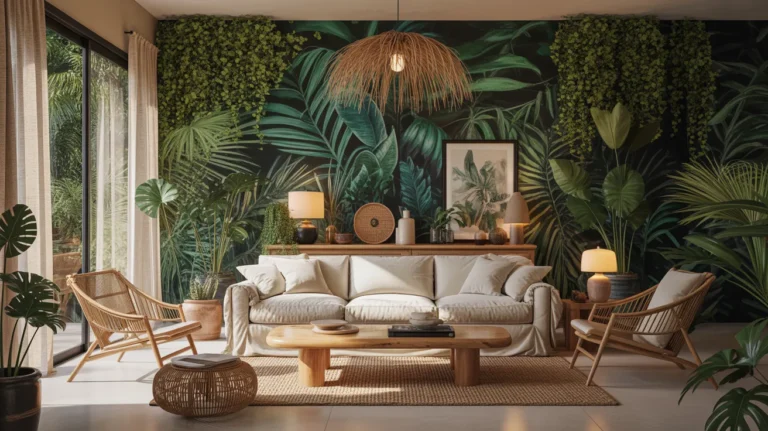
A little greenery can bring a minimalist living room to life without disturbing its clean appearance. One tall plant beside the sofa or a smaller plant on a side table can introduce natural color, organic shapes, and gentle movement. Choose simple planters in white ceramic, stone, terracotta, or woven materials so the containers complement rather than compete with the room. I’ve noticed that plants are particularly effective in neutral interiors because their natural green tones provide just enough contrast. They make the space feel fresher and more lived-in while keeping decoration intentionally restrained.
Placement matters when adding plants to a streamlined room. A tall plant can soften an empty corner, while a compact variety can add interest to an otherwise bare shelf. Avoid filling every available surface with greenery, because too many plants can quickly make the room feel busy. Consider the available sunlight and choose varieties that suit the conditions rather than selecting plants purely for appearance. A thoughtfully positioned plant can also visually connect indoor spaces with nearby windows or outdoor views. The result is a welcoming room with organic texture, subtle color, and plenty of breathing space.
Curved Furniture
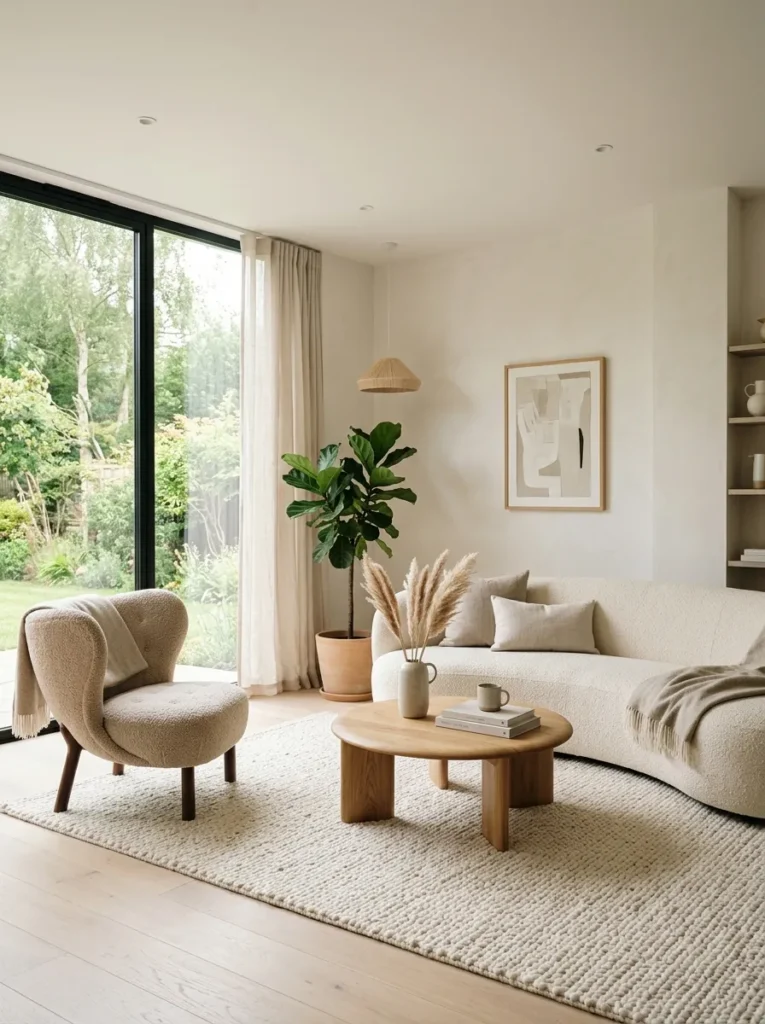
- Choose one rounded sofa, chair, or coffee table as the focal point.
- Use soft curves to balance an otherwise linear room.
- Keep the remaining furniture simple and streamlined.
- Pair rounded forms with natural fabrics for a softer finish.
Curved furniture can soften a minimalist room without making it feel overly decorated. A rounded sofa, oval coffee table, or softly shaped accent chair introduces movement against straight walls and rectangular furniture. Choose one prominent curved piece and let the surrounding elements remain simple so the shape becomes noticeable. Boucle, linen, and cotton upholstery can make rounded furniture feel especially inviting. I’ve noticed that curves work beautifully in rooms that otherwise contain many hard lines because they create visual balance. The space feels more relaxed while still maintaining the intentional simplicity that makes minimalist interiors appealing.
You do not need to replace every piece of furniture to introduce this look. An oval coffee table or rounded accent chair can create enough contrast to change the room’s overall character. Keep colors understated, such as cream, beige, taupe, or soft gray, so the unusual silhouette remains the main feature. Rounded edges can also make narrow pathways feel visually gentler and reduce the severity of compact layouts. When combined with open space and restrained accessories, curved furniture adds personality without clutter. It is a simple way to make a contemporary living room feel softer, warmer, and more welcoming.
Open Floor Plan
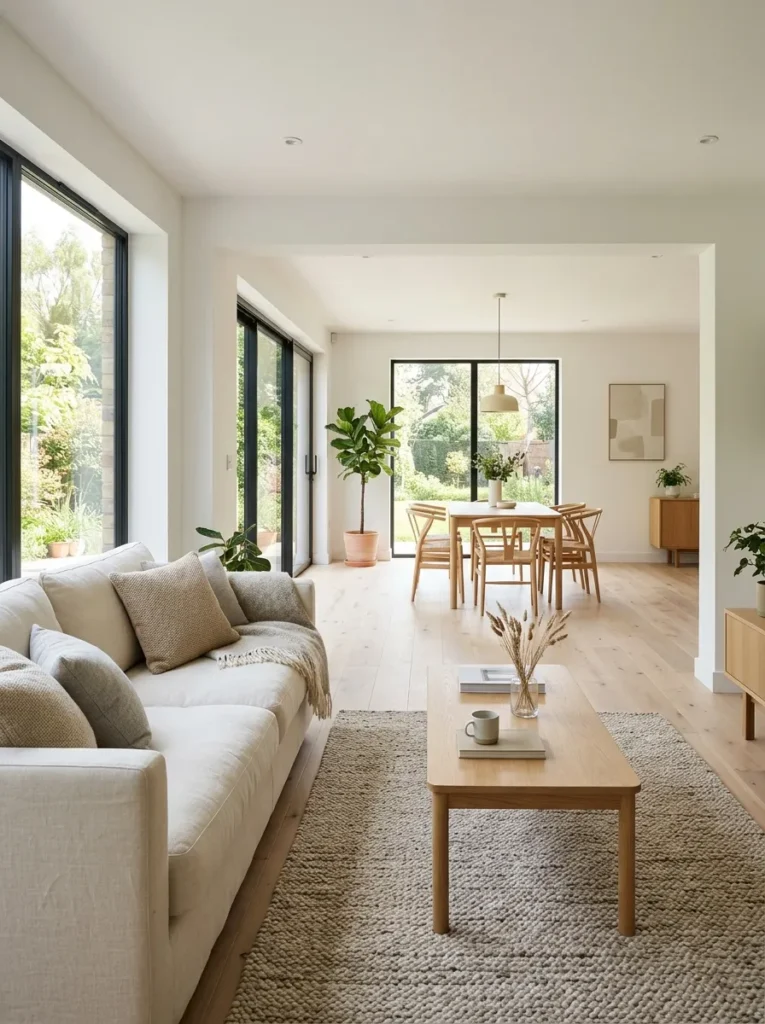
- Arrange furniture to define zones without closing off the room.
- Keep pathways clear between seating, dining, and entry areas.
- Use rugs to visually separate functional spaces.
- Match colors and materials across connected areas.
An open floor plan can feel wonderfully spacious when furniture is arranged with intention. Instead of pushing every piece against a wall, create a defined seating zone with a sofa, rug, and coffee table while keeping pathways open around it. This gives the room structure without adding physical barriers. Use consistent colors and materials between connected areas so the entire space feels cohesive. In my experience, the biggest improvement often comes from simply removing furniture that blocks movement. Once circulation becomes easier, even a modest open-plan room can feel significantly larger and more comfortable.
The trick is to create separation through placement rather than clutter. A large rug can establish the living area, while a console or slim shelving unit can subtly mark the transition toward another zone. Avoid tall furniture that interrupts sightlines unless you genuinely need the storage. Keep major pieces aligned with the room’s architecture and leave enough space for people to move naturally between areas. This approach makes minimalist living room ideas especially useful for apartments and modern homes with combined spaces. The finished layout feels organized without looking divided, giving every area a clear purpose while preserving openness.
Minimalist Gallery Wall
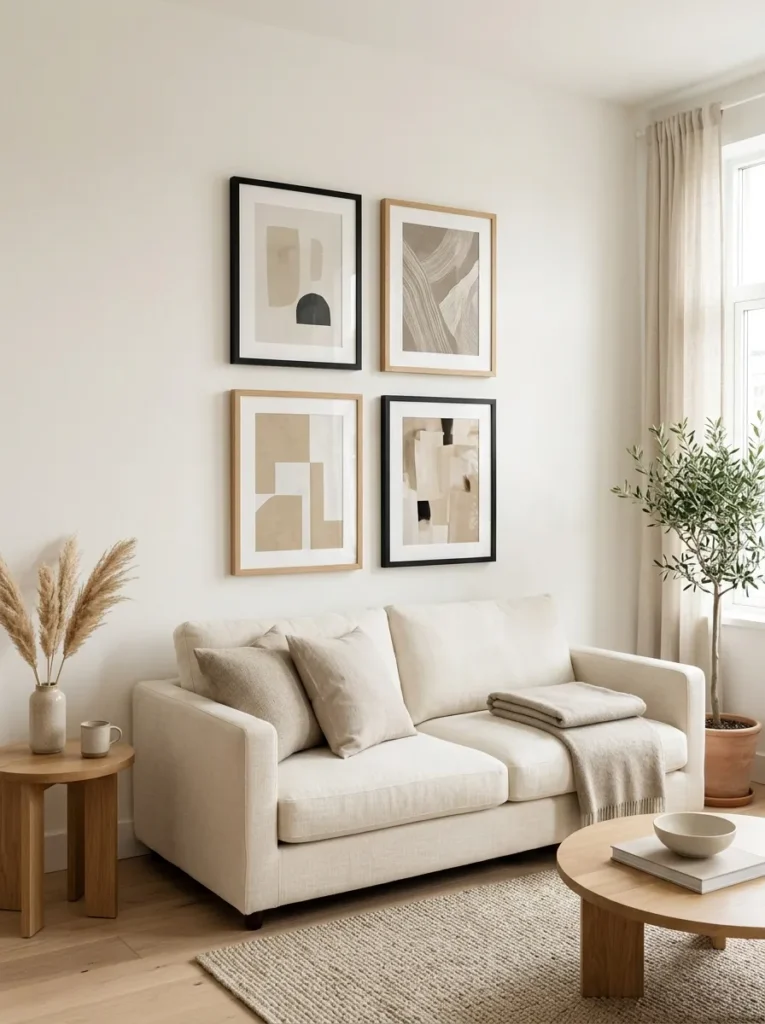
- Select a small collection of artwork with a consistent visual language.
- Use simple frames in black, white, oak, or natural wood.
- Leave generous spacing around each piece.
- Choose meaningful artwork instead of filling the wall unnecessarily.
A carefully edited gallery wall can give a minimalist living room personality without overwhelming its calm atmosphere. Instead of covering an entire wall with artwork, choose three to five pieces that share a similar color palette or visual style. Abstract line drawings, muted photography, botanical prints, or simple typography can work beautifully. Keep the frames consistent in finish, such as black, white, or natural oak, to create cohesion. The artwork should feel intentional rather than collected at random. A little negative space between each piece helps the arrangement breathe and keeps the overall effect clean.
Before hanging anything, arrange the artwork on the floor and experiment with spacing and proportions. Center the finished composition above the sofa or another major furniture piece, rather than placing individual frames too high. If the room already contains strong textures or patterns, choose quieter artwork to maintain balance. I’ve found that meaningful pieces often work better than expensive decorative prints because they give a simple room a personal connection. With thoughtful editing, a small gallery wall can become the visual anchor while the rest of the space remains uncluttered, comfortable, and easy on the eyes.
Floating Shelves
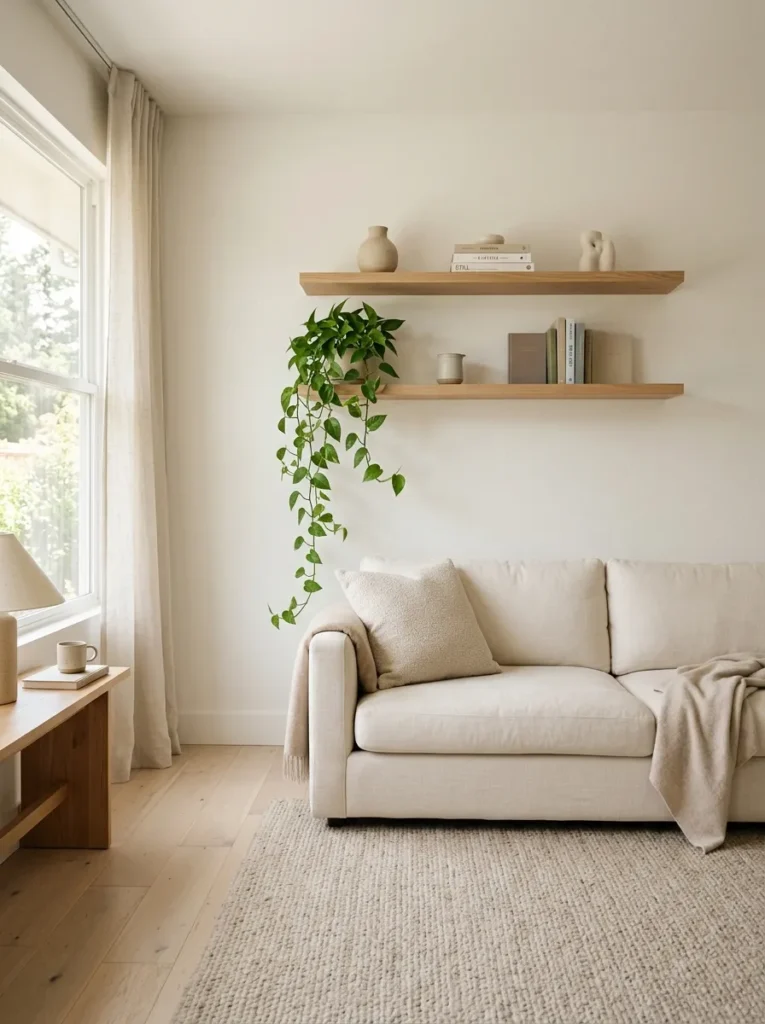
- Install slim shelves to use vertical wall space efficiently.
- Display only a few carefully chosen decorative pieces.
- Mix ceramics, books, and small plants for subtle variety.
- Leave generous empty space between displayed objects.
Floating shelves offer a simple way to add personality without filling valuable floor space. Install one or two slim shelves above a sofa, beside a television, or on an otherwise empty wall. Keep the display intentionally edited with a few ceramics, books, photographs, or small plants rather than filling every available spot. Natural wood shelves can add warmth, while white shelves blend quietly into the wall. I’ve noticed that leaving generous gaps between objects makes even a small collection feel more sophisticated. The open wall space becomes part of the design instead of looking unfinished or neglected.
Think of each shelf as a small visual composition rather than extra storage for everything you own. Combine different heights and textures, such as a ceramic vase beside two books and a small plant, then leave some sections completely empty. Avoid placing heavy objects where they could make the shelves appear crowded. If the room has strong furniture shapes, simple rectangular shelves can provide a useful visual counterpoint. This approach works especially well for renters and smaller homes because it creates display space without consuming floor area. The result feels personal, organized, and intentionally restrained.
Light Linen Curtains
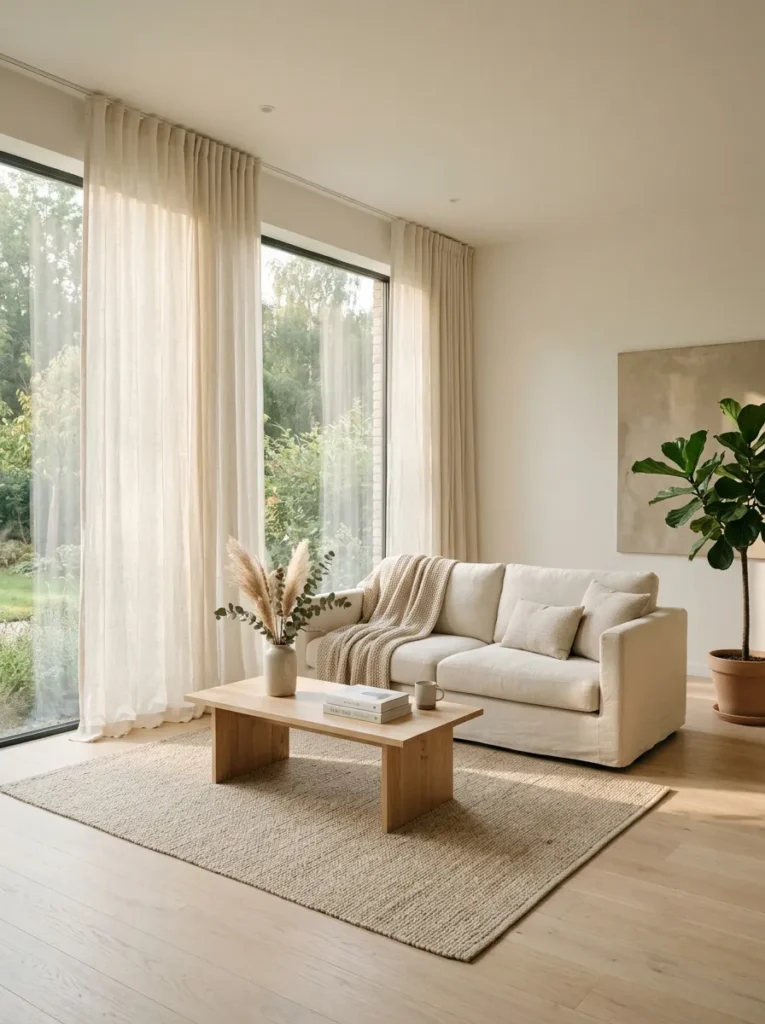
- Choose sheer or lightly woven curtains for a softer window treatment.
- Use warm white, ivory, or natural flax tones.
- Hang panels close to the ceiling to emphasize vertical height.
- Let natural light remain the room’s main visual feature.
Lightweight linen curtains can transform the entire mood of a living room by softening windows while preserving natural brightness. Choose ivory, warm white, oatmeal, or natural flax tones that complement the existing palette. Hang the curtain rod slightly above the window frame and extend it beyond the sides so the panels frame the glass rather than covering it. This simple placement can make windows appear larger and ceilings feel taller. The subtle texture of linen also adds depth without introducing a strong pattern. In my experience, airy window treatments are one of the easiest ways to make a simple room feel finished.
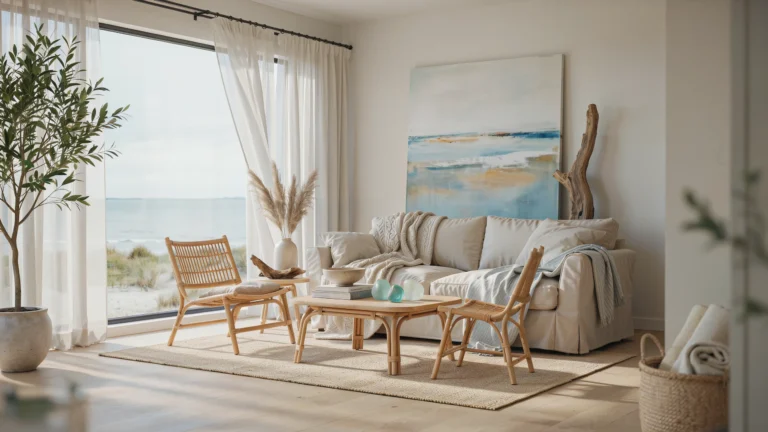
Avoid heavy fabrics if your goal is an open, relaxed atmosphere. Sheer or lightly woven panels allow daylight to filter through while still adding softness and privacy. During the evening, pair them with discreet roller shades or blinds if additional coverage is needed. Keep the curtain color close to the walls so the transition feels seamless rather than visually broken. This understated treatment works beautifully with neutral furniture, pale flooring, and natural materials. It creates a bright backdrop for the rest of the room while making the entire space feel taller, lighter, and more inviting throughout the day.
Single Focal Piece
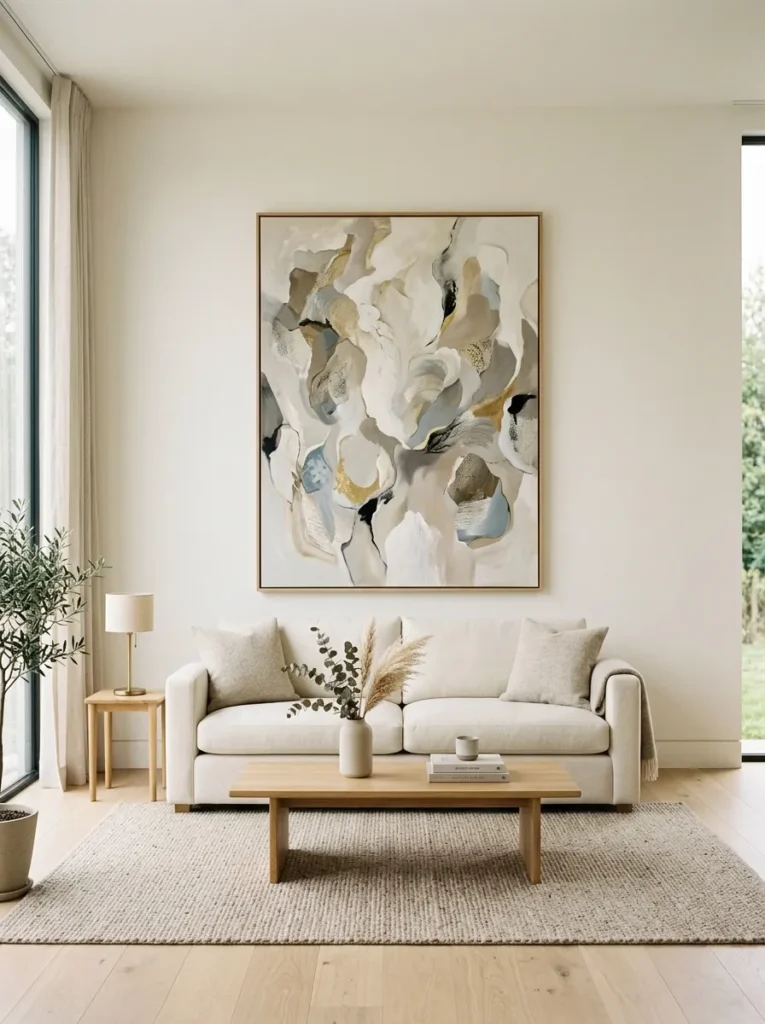
- Choose one standout object to anchor the room visually.
- Let its shape, material, or artwork provide personality.
- Keep surrounding surfaces simple and deliberately quiet.
- Use contrast carefully so the focal piece remains prominent.
A single focal piece can give a minimalist room character without filling it with decoration. Choose one element that naturally attracts attention, such as oversized abstract artwork, a sculptural chair, a distinctive coffee table, or a large ceramic vessel. Let that item provide the strongest shape, texture, or contrast in the room. Everything around it should support rather than compete with it. This creates a clear visual hierarchy, making the space easier for the eye to understand. The room feels intentional because every surrounding element has enough breathing room to remain noticeable without becoming distracting.
Think carefully about what you want people to notice first when they enter the room. If the artwork is bold, keep nearby accessories quiet. If a sculptural chair provides the statement, choose simpler artwork and smaller decorative objects. This editing process is one of the most effective minimalist living room ideas because it replaces quantity with purpose. A focal piece can also reflect your personality, making a restrained interior feel uniquely yours. When everything else stays understated, even one beautiful object can transform an ordinary room into a polished, memorable, and visually balanced space.
Layered Lighting
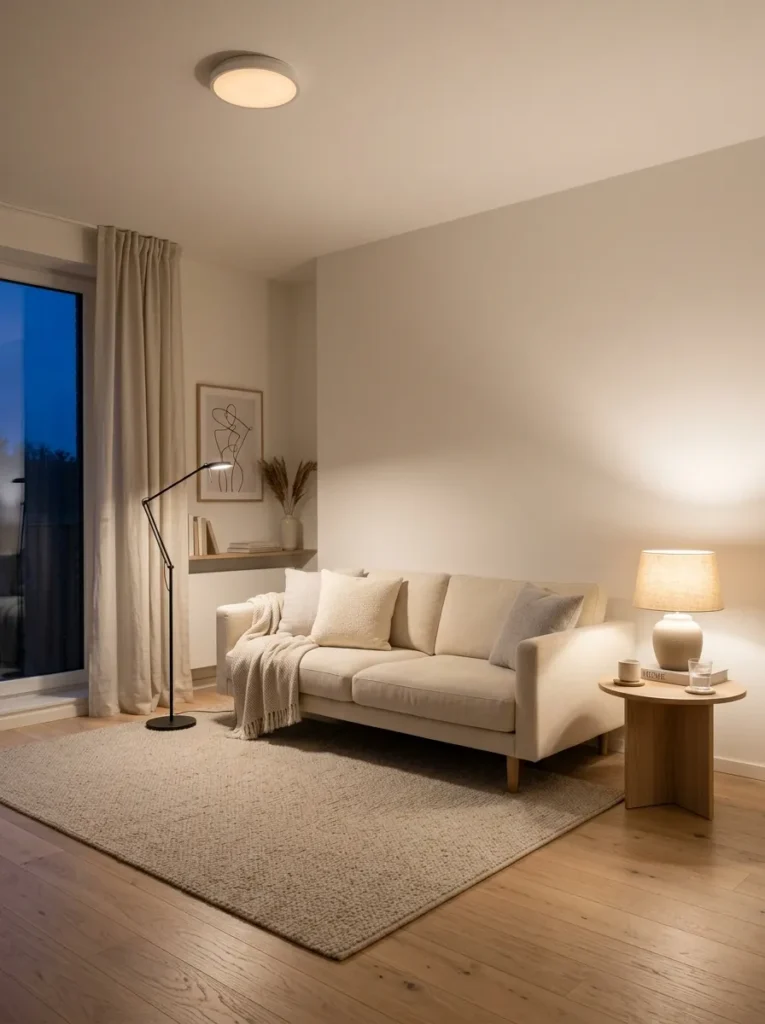
- Combine ceiling, floor, and table lighting for flexible illumination.
- Use warm bulbs to make neutral materials feel inviting.
- Choose fixtures with simple shapes and understated finishes.
- Keep lighting sources visually balanced throughout the room.
Good lighting can make a simple living room feel completely different from morning to night. Instead of relying on one ceiling fixture, combine several understated light sources at different heights. A floor lamp beside the sofa can provide reading light, while a small table lamp adds warmth to a corner. Use warm white bulbs to bring out the softness of wood, linen, and neutral upholstery. I’ve noticed that layered lighting makes minimalist spaces feel much more comfortable after sunset because the room remains softly illuminated without becoming overly bright or visually busy.
Keep each fixture simple so the lighting supports the room rather than becoming another source of clutter. A slim floor lamp, compact table lamp, and understated ceiling fixture are usually enough for a typical living area. Place lights according to how you use the space, giving extra illumination to reading corners or seating areas while keeping decorative lighting softer. Dimmer switches can also make the room more flexible throughout the day. This approach adds function without sacrificing simplicity, helping the space transition naturally from a bright daytime setting into a warm and relaxing evening environment.
Organic Materials
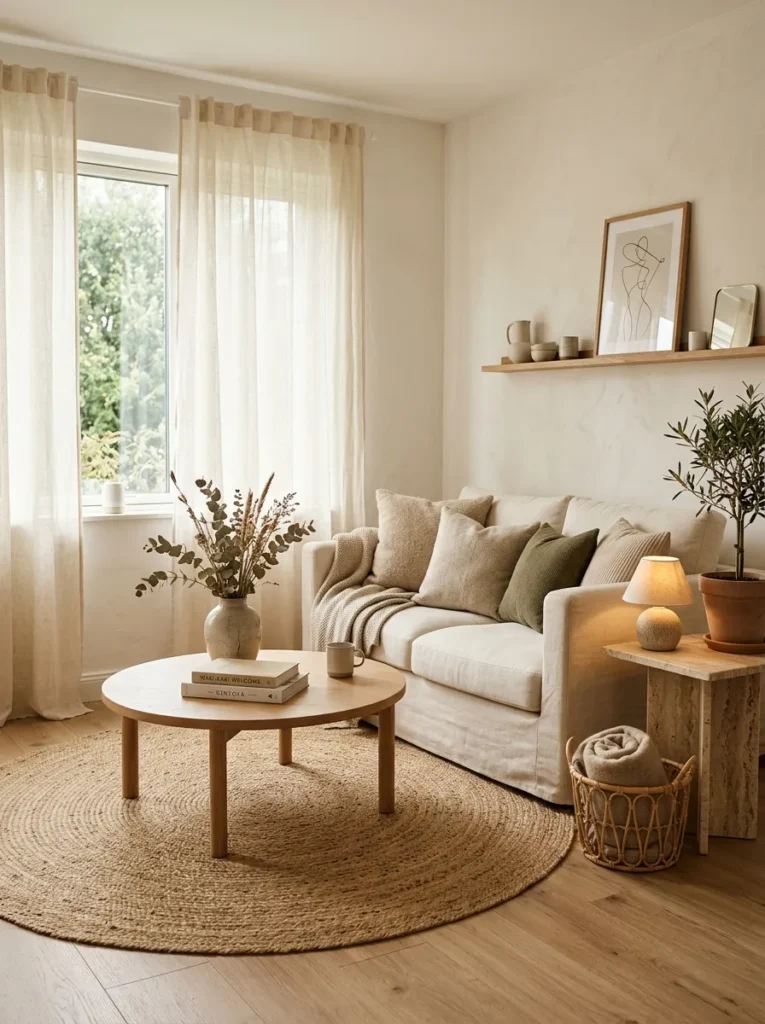
- Combine wood, stone, linen, wool, and woven fibers for natural texture.
- Choose materials with subtle variations instead of bold patterns.
- Repeat natural finishes across furniture and accessories for cohesion.
- Let tactile surfaces provide visual interest without excessive decoration.
Natural materials can give a minimalist room warmth and character without adding visual clutter. Think light oak, linen, wool, stone, jute, rattan, and handmade ceramics. These materials bring subtle differences in texture that create interest even when the color palette remains neutral. Pair a linen sofa with a wooden coffee table and woven rug, then add one stone or ceramic accent for contrast. The room begins to feel tactile rather than plain. That balance is especially useful when you want simplicity but still want the space to feel comfortable, personal, and connected to natural elements.
The best results usually come from repeating a few materials rather than introducing something different on every surface. For example, light wood can appear on the coffee table and shelving, while woven textures can connect the rug and storage baskets. Keep finishes relatively matte and understated so they complement one another. Natural materials also tend to age gracefully, making them practical choices for everyday rooms. Among minimalist living room ideas, this approach stands out because it creates richness through texture instead of decoration, allowing the space to feel sophisticated, welcoming, and visually interesting without becoming crowded.
Black Accent Details
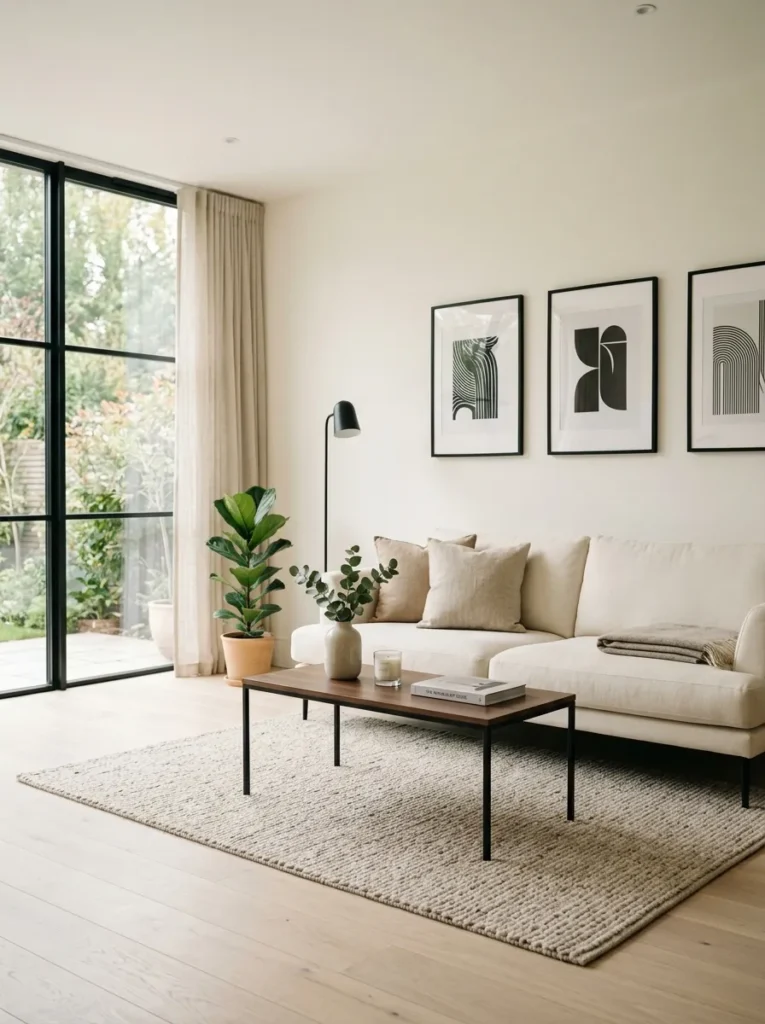
- Add small black accents for crisp definition against neutral colors.
- Repeat the finish across two or three carefully chosen pieces.
- Use black frames, lamps, hardware, or furniture legs sparingly.
- Keep the rest of the palette soft to preserve balance.
A few black accents can give a neutral living room the definition it needs. Rather than introducing a large dark furniture piece, repeat small touches through a lamp, picture frame, table legs, or cabinet hardware. The contrast draws attention to clean architectural lines and helps lighter colors feel more intentional. Keep the black elements spaced throughout the room instead of grouping them together. This creates a subtle visual rhythm that guides the eye around the space. I’ve noticed that even one or two dark details can make pale interiors look more polished without making them feel heavy.
The key is to use contrast with restraint. If your sofa and walls are cream or beige, a black-framed print can provide a crisp focal point, while a slim black lamp balances the opposite side of the room. Avoid adding too many dark objects, especially in smaller spaces, because the contrast can quickly become dominant. Matte finishes usually feel softer and more contemporary than highly glossy surfaces. This simple color strategy works across many decorating styles and can make minimalist living room ideas feel sharper, more structured, and visually sophisticated while preserving the openness of the overall design.
Built-In Seating
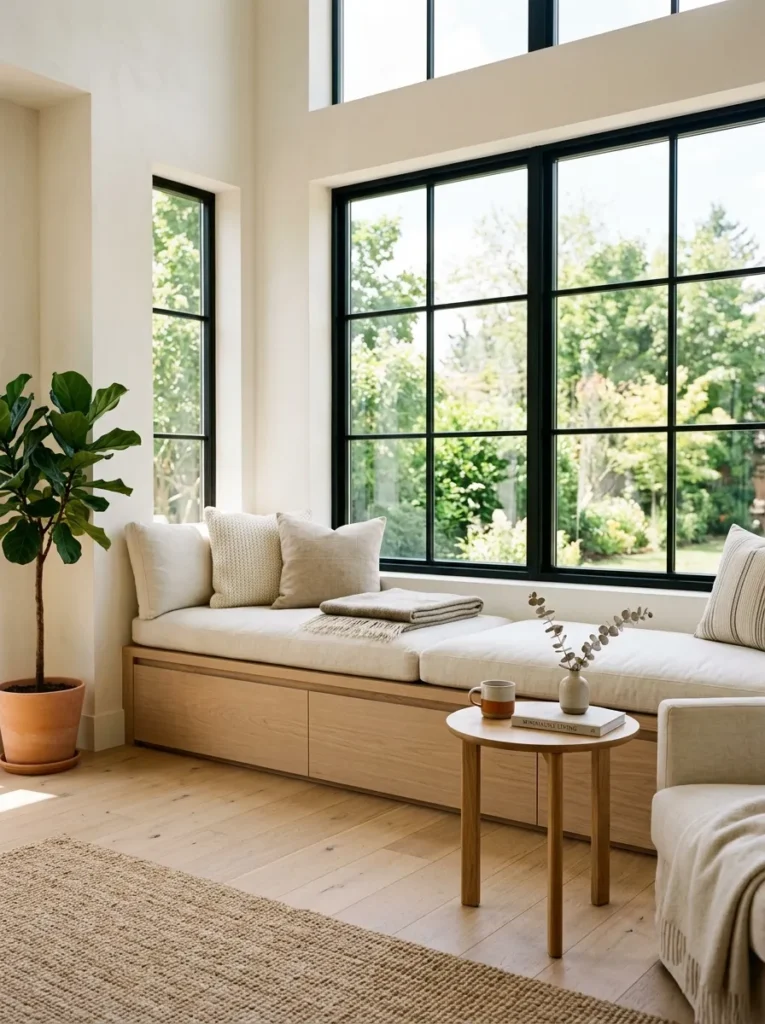
- Use a built-in bench to maximize awkward or unused areas.
- Add cushions for comfort without introducing bulky furniture.
- Include drawers or cabinets underneath for practical storage.
- Match the built-in finish with the surrounding architecture.
Built-in seating can turn an overlooked corner into one of the most useful parts of a living room. A window bench, wall-to-wall bench, or custom reading seat uses space efficiently while keeping the floor plan visually clean. Choose a simple upholstered cushion in cream, beige, or soft gray, then add one or two pillows for comfort. Storage drawers underneath can hide blankets, books, or other household items. This approach is particularly useful in compact rooms because the seating becomes part of the architecture rather than another freestanding piece competing for floor space.
Before adding built-in seating, consider how the area will actually be used. A sunny window can become a comfortable reading spot, while a long wall can provide extra seating for guests. Keep the surrounding furniture compact so the built-in feature remains accessible and visually prominent. Natural wood cabinetry or painted panels can be matched to existing trim for a seamless appearance. I’ve seen this solution work especially well in homes with awkward corners because it transforms unused square footage into something purposeful. The result is practical, comfortable, and beautifully integrated without making the room feel crowded.
Decluttered Surfaces
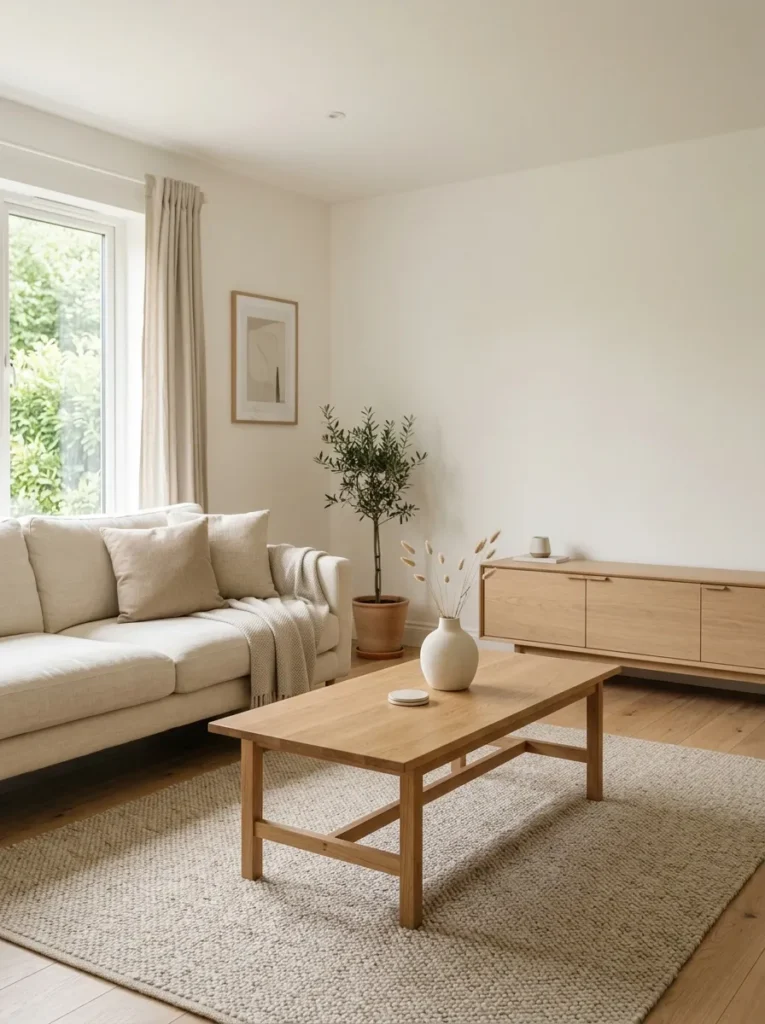
- Keep coffee tables, consoles, and shelves intentionally edited.
- Store everyday items inside drawers, baskets, or cabinets.
- Display only objects that are useful, beautiful, or meaningful.
- Leave visible negative space between decorative pieces.
Clear surfaces can make a bigger difference than buying new furniture. Start with the coffee table, media console, side tables, and shelves, then remove anything that does not serve a clear purpose. Keep a few useful or meaningful pieces, such as a ceramic vase, favorite book, candle, or small plant, while storing everyday clutter out of sight. The empty space between objects is important because it allows each item to stand out. In my experience, decluttering often creates a stronger visual transformation than redecorating because the existing furniture suddenly has room to breathe.
Maintaining clear surfaces is easier when every frequently used item has a convenient home. Use drawers for remotes and chargers, baskets for blankets, and closed cabinets for miscellaneous belongings. Try leaving part of every major surface completely empty rather than decorating from edge to edge. This creates visual pauses that make the entire room feel calmer and more spacious. If you are drawn to minimalist living room ideas, remember that simplicity is not about owning nothing; it is about being selective with what remains visible. A carefully edited room feels organized, functional, and effortlessly stylish.
Cozy Reading Corner
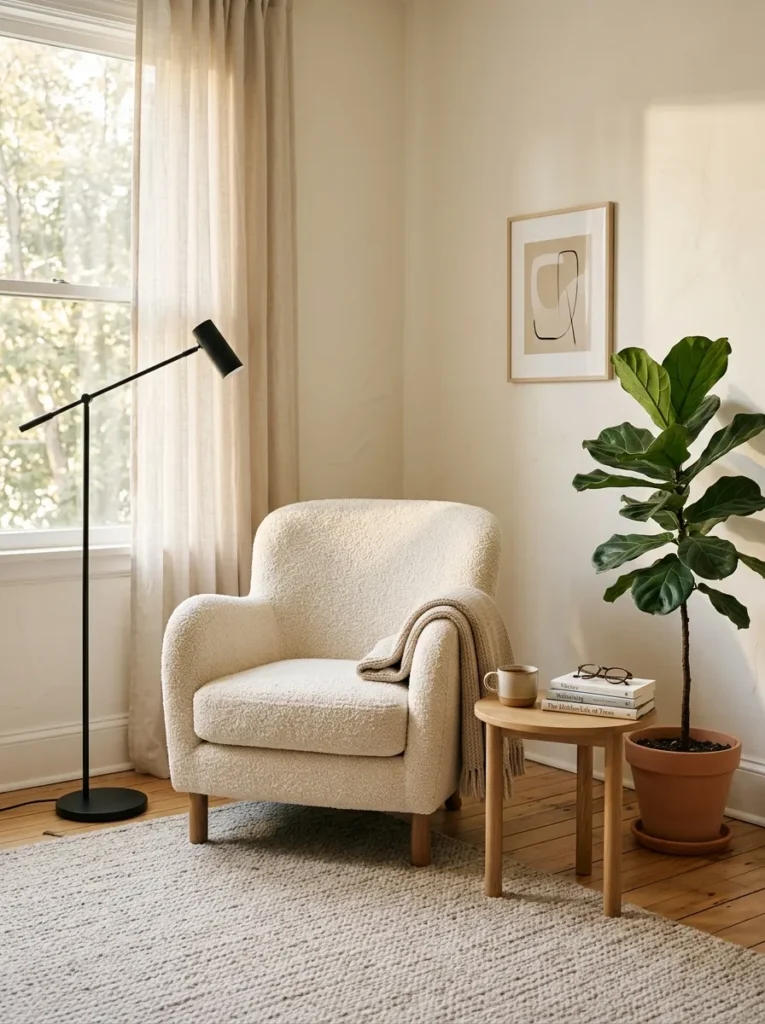
- Create one dedicated corner for reading, relaxing, or quiet breaks.
- Pair a comfortable chair with a small side table.
- Add a soft throw and focused floor lamp for comfort.
- Keep the surrounding area visually open and uncluttered.
A quiet reading corner can make a minimalist living room feel more personal without adding unnecessary furniture. Choose one comfortable armchair, position it near a window or natural light source, and add a small side table for books or a drink. A slim floor lamp provides focused evening illumination, while a soft throw introduces warmth and texture. Keep the surrounding area open so the corner feels intentional rather than crowded. This small arrangement creates a dedicated place to pause, read, or simply enjoy a few quiet minutes away from screens and everyday distractions.
You can create this setup even when space is limited. Look for a compact chair with a narrow profile, then pair it with a small round table that does not obstruct movement. If the room already has several neutral elements, introduce texture through boucle, linen, wool, or a woven basket rather than adding bright colors. A nearby plant can soften the corner and connect it with the rest of the room. Among minimalist living room ideas, this setup adds function and personality at the same time, giving an unused corner a clear purpose while keeping the overall design beautifully restrained.
Conclusion
Creating a minimalist living room is less about removing everything and more about choosing what truly belongs. The ideas in this collection show how thoughtful furniture placement, natural textures, soft lighting, and simple decor can transform an ordinary space into one that feels calm and inviting. Start with one change that fits your room, then build gradually instead of trying to redesign everything at once. Save this post on Pinterest so you can return to your favorite minimalist living room ideas when you’re ready to refresh your space. Share it with someone who loves simple, beautiful interiors, and enjoy creating a room that feels completely yours.